Mastering Global Logistics with Advanced Shipping and Tracking Tools
Saturday, September 5 2026

Modern freight forwarding requires precision and speed in an increasingly volatile global economy. As supply chains grow more complex, professionals must leverage advanced shipping and tracking technologies to maintain transparency for their clients. By integrating cloud-based platforms, forwarders can transition from manual processes to automated workflows that minimize errors and boost customer satisfaction. This article explores how digital transformation empowers logistics teams to navigate international regulations, manage multimodal shipments, and deliver real-time data visibility. Staying ahead of the competition means embracing innovation to ensure that your freight moves efficiently from origin to destination without unnecessary delays or communication gaps.
Optimizing Real-time Cargo Visibility
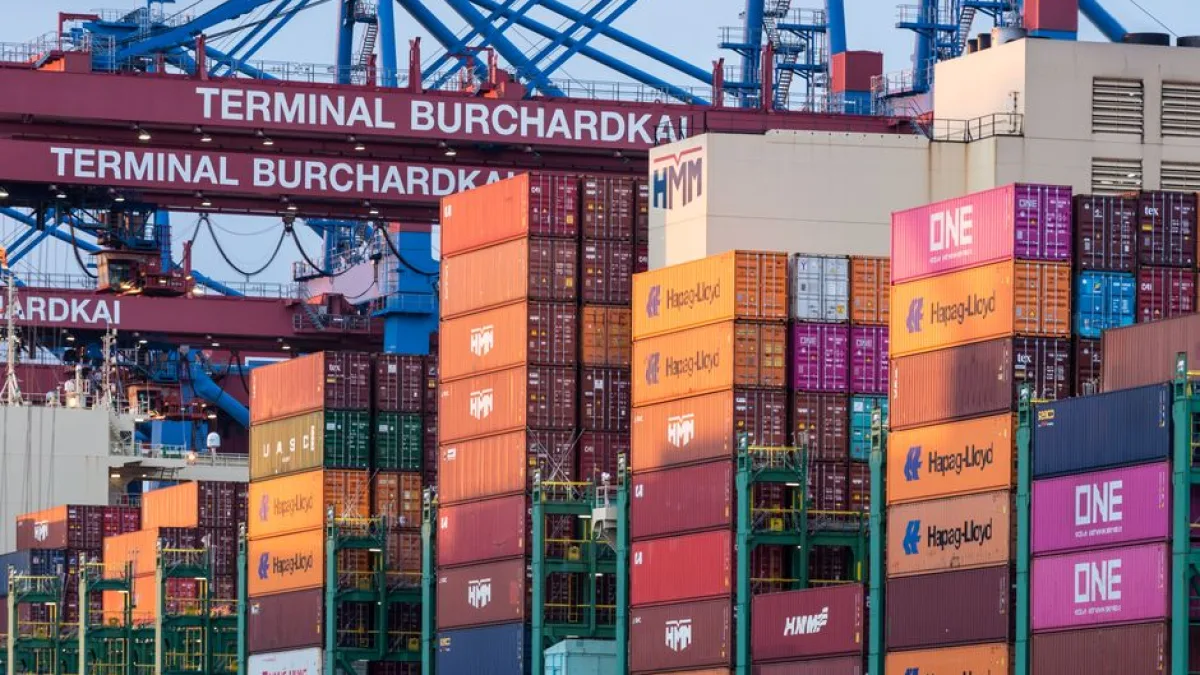
Real-time visibility acts as the backbone of modern freight forwarding, allowing companies to monitor shipments across multiple transit points. By using advanced tracking sensors and software integrations, teams can provide stakeholders with accurate arrival estimates and proactively address potential bottlenecks before they escalate into major disruptions.
- Automated status updates: Eliminate manual data entry tasks by utilizing automated triggers that push live shipping status updates directly to your client portal and internal logistics dashboard interfaces.
- Predictive delay warnings: Leverage machine learning algorithms to identify potential weather or port congestion issues, allowing your team to reroute shipments ahead of time for better performance.
- Unified carrier data: Consolidate tracking information from ocean, air, and road carriers into a single view, ensuring that your operations team never has to switch between platforms.
- Client portal access: Empower your customers with self-service tracking capabilities that reduce the volume of inquiry emails and phone calls managed by your dedicated account managers.
Adopting a unified approach to shipment tracking is no longer optional for forwarders aiming to scale operations. When you provide transparency, you build deep trust with your clients, which is essential for retaining business in a competitive market. By investing in the right digital infrastructure today, your team gains the capability to handle higher shipment volumes while maintaining high service standards for every single cargo movement.
Integrating Automated Documentation Workflows

Streamlining documentation processes is a vital step toward reducing administrative overhead and preventing costly errors in international trade. Digital document management systems enable forwarders to create, store, and share bills of lading, customs declarations, and invoices securely within one centralized cloud location.
- Digital document storage: Move away from physical filing cabinets by digitizing your entire library of shipping documents, making retrieval instantaneous for customs brokers and auditing staff members.
- Smart template creation: Utilize predefined templates for standard shipping documentation to ensure that your team generates compliant paperwork quickly while minimizing repetitive data entry and mistakes.
- Secure document sharing: Protect sensitive client information by using encrypted file sharing protocols that allow you to collaborate with overseas partners and agents with complete confidence.
- Electronic signature integration: Accelerate the approval process for international trade documents by implementing secure digital signatures that remain legally binding across different global regulatory legal frameworks.
Efficient documentation is the silent engine that keeps global trade flowing smoothly across borders. When you digitize your administrative workflows, you eliminate the delays typically caused by missing signatures or incorrect information. This transition not only speeds up the clearance process at ports but also ensures that your company maintains compliance with the latest international shipping regulations and industry standards every day.
Leveraging Predictive Analytics for Performance

Predictive analytics turn historical shipping data into actionable insights that help forwarders optimize routes and manage costs effectively. By analyzing past trends, logistics professionals can make informed decisions regarding carrier selection, transit times, and resource allocation to improve overall margins and service quality.
- Historical trend analysis: Evaluate past shipment performance data to identify seasonal patterns, allowing your team to better predict future capacity requirements and negotiate improved rates with carriers.
- Carrier performance metrics: Monitor and rank carriers based on their actual reliability, speed, and cost-effectiveness to ensure you always select the best partner for specific routes.
- Cost fluctuation tracking: Utilize analytical tools to identify patterns in freight rate volatility, helping you to advise clients on the most economical times to book their shipments.
- Asset utilization insight: Understand how your current operational resources are performing to maximize the efficiency of your fleet and warehouse capacity throughout the entire year of operation.
Data-driven decisions provide a significant edge in the fast-paced logistics industry where every minute and dollar counts. When your team moves beyond reactive management and starts using predictive insights, you become a strategic partner to your clients. This level of sophistication transforms your service offering, moving from basic cargo movement to high-value supply chain consulting that delivers consistent long-term results.
Enhancing Communication Across Global Networks

Effective communication is the glue that holds a global shipping network together across diverse time zones and languages. Advanced software platforms now offer built-in messaging features that centralize conversations, ensuring that everyone involved in a shipment has access to the same context and updates at all times.
- Centralized chat logs: Maintain all communication regarding a specific shipment within the platform, preventing important details from getting buried in scattered and disconnected email inbox threads.
- Instant notifications alerts: Configure custom notification settings so that key personnel receive immediate alerts regarding shipment milestones or urgent issues that require direct human intervention to resolve.
- Cross-border collaboration: Connect with international agents and overseas partners through a unified interface that supports seamless information exchange regardless of geographical distance or operating time zones.
- Multi-language support systems: Utilize software tools that provide translation assistance, helping your team communicate more effectively with local customs officials and transport partners in various global locations.
Communication breakdowns remain one of the biggest threats to the reliability of global logistics operations. By centralizing your interactions within a robust freight platform, you ensure that every team member stays aligned on the status of every shipment. This collaborative environment reduces confusion, prevents duplicate efforts, and fosters a more professional experience that encourages long-term client retention and operational success everywhere.
Conclusion

Success in the modern freight industry depends on the right mix of technology, data, and communication. By adopting a cloud-based approach to your shipping and tracking needs, you empower your team to handle complexity with confidence. Explore the MakeCargo platform today to learn how our software can streamline your operations and help you deliver world-class service to your customers throughout the entire shipping journey.