Mastering Global Logistics with Advanced Shipping and Tracking Systems
Friday, September 11 2026
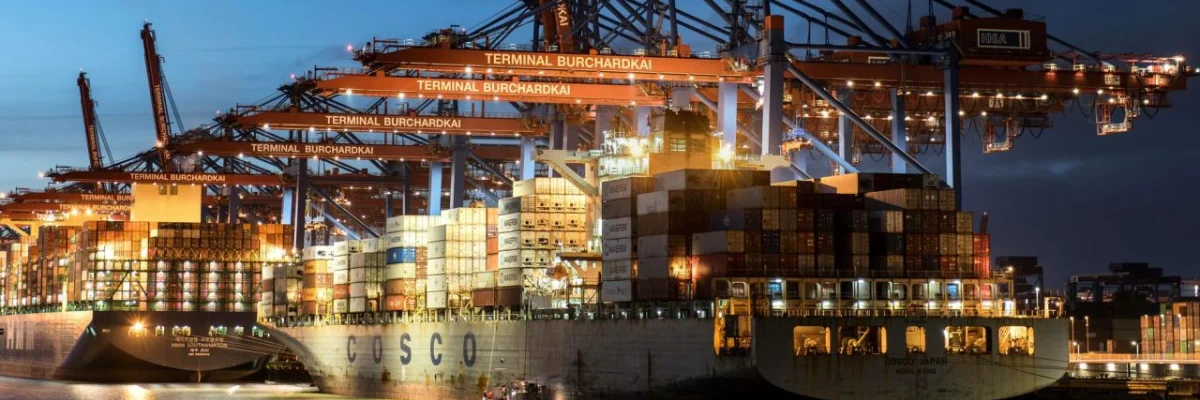
In the rapidly evolving landscape of international logistics, visibility serves as the cornerstone of operational success for modern freight forwarders. As global supply chains face increasing complexity and unpredictable disruptions, the ability to monitor shipments in real time is no longer a luxury but a fundamental necessity. Freight professionals must leverage sophisticated digital infrastructure to provide clients with accurate data while optimizing internal workflows. This article explores how modern shipping and tracking capabilities drive efficiency, enhance transparency, and foster stronger relationships between forwarders and their global clients, ensuring that cargo remains moving smoothly from origin to final destination.
Real Time Visibility Benefits
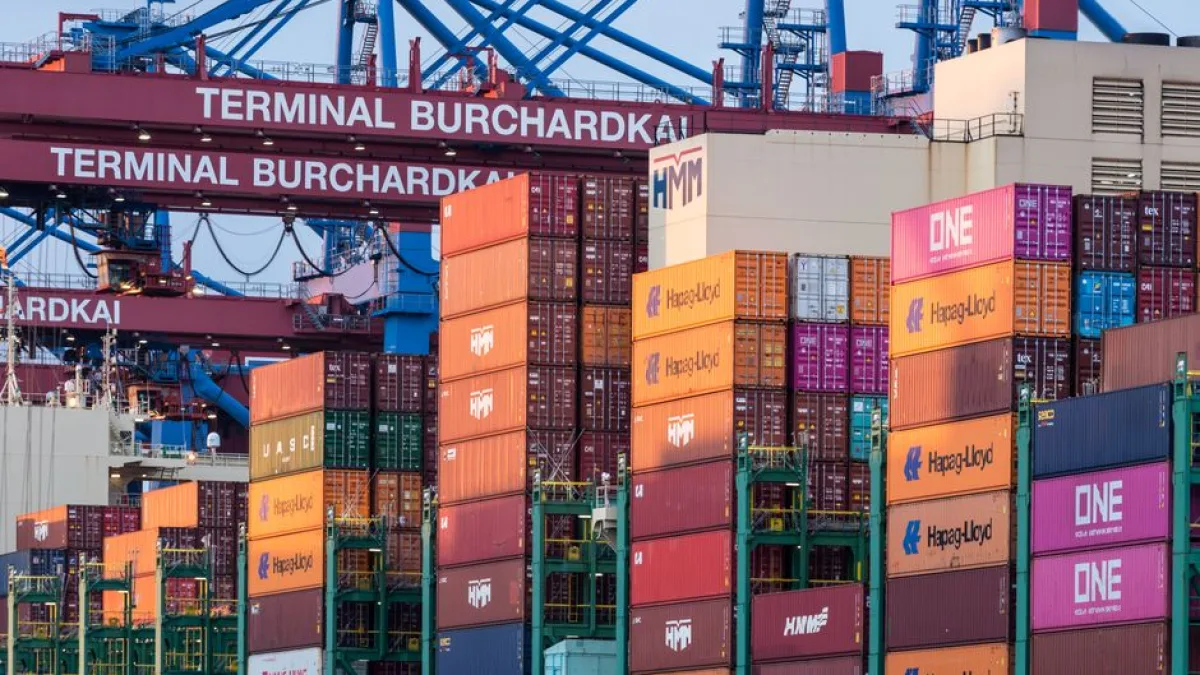
Real time tracking technology allows forwarders to monitor cargo status throughout the entire journey. By integrating live data feeds, logistics teams can proactively address bottlenecks and provide precise updates to stakeholders, ultimately building significant trust and improving long term service reliability.
- Enhanced Data Accuracy: Automated tracking systems eliminate manual entry errors by pulling information directly from carriers. This ensures that every stakeholder receives consistent and reliable updates during the transit.
- Proactive Issue Resolution: Immediate notifications regarding delays or deviations empower teams to take corrective actions before problems escalate. Early intervention preserves schedules and maintains high service standards for customers.
- Client Trust Building: Transparency creates peace of mind for shipping clients who need constant updates on their high value assets. Consistent communication fosters loyalty and long term business partnerships.
- Resource Optimization: By identifying where delays occur, managers can better allocate human and financial resources. This optimization directly impacts the profitability and efficiency of every single shipment.
Adopting advanced tracking platforms transforms how freight forwarders handle day to day operations. Instead of manually contacting carriers to locate a container, teams can access a centralized dashboard for instant clarity. This shift reduces administrative burdens and enables staff to focus on strategic tasks rather than repetitive data collection, which ultimately results in a more responsive and competitive business model for your company.
Predictive Analytics for Logistics

Predictive analytics uses historical data to forecast potential transit hurdles before they happen. By applying machine learning models to shipping patterns, forwarders can anticipate weather delays or port congestion, allowing for smarter route planning and improved overall supply chain resilience today.
- Forecasting Transit Times: Historical arrival data enables highly accurate arrival predictions for various trade lanes. This helps clients plan their inventory management strategies with much greater precision and confidence.
- Congestion Alert Systems: Software identifies rising wait times at specific ports by analyzing global traffic trends. Being aware of these issues allows forwarders to suggest alternative routes promptly.
- Risk Assessment Tools: Analytical platforms assess the probability of disruptions based on regional events or weather patterns. Forwarders can then provide advisory services that protect client shipments effectively.
- Operational Cost Savings: Data driven insights reveal areas where fuel consumption or route inefficiencies can be reduced. Lowering costs while maintaining speed is essential for a competitive market.
Harnessing the power of predictive analytics changes the dialogue between forwarders and their customers. Moving from a reactive stance to a proactive advisory role positions your company as a vital strategic partner rather than just a vendor. This high level approach mitigates risks and provides a clear advantage in a saturated market, proving that data driven decisions lead to measurable success for clients.
Automated Client Notifications

Automated communication is essential for maintaining efficient workflows and keeping clients informed without constant manual updates. By configuring automated alerts, freight forwarders ensure that every milestone, from departure to final delivery, is captured and communicated to the correct recipient immediately.
- Customizable Alert Triggers: Define specific events that trigger automatic emails or text messages for your unique needs. Tailored communication ensures that clients receive only the information they require.
- Branded Tracking Portals: Direct clients to a professional tracking portal that displays your company branding clearly. This reinforces your brand identity throughout the shipping process each time.
- Reduced Manual Workload: Automated systems handle the bulk of inquiry responses, freeing up customer support staff. Your team can dedicate more time to resolving complex logistical challenges.
- Multichannel Delivery Options: Send updates through email, SMS, or mobile applications to ensure receipt. Offering versatile options improves accessibility and ensures that urgent messages are never missed.
By implementing robust automation, you significantly enhance the customer experience while simultaneously reducing operational friction within your office. Clients appreciate timely notifications that provide clarity, leading to fewer status inquiries and reduced administrative overhead for your staff. This streamlined approach to shipping communication allows your business to scale operations efficiently without sacrificing the personalized care that your clients expect from professional forwarders.
Integration with Carrier APIs
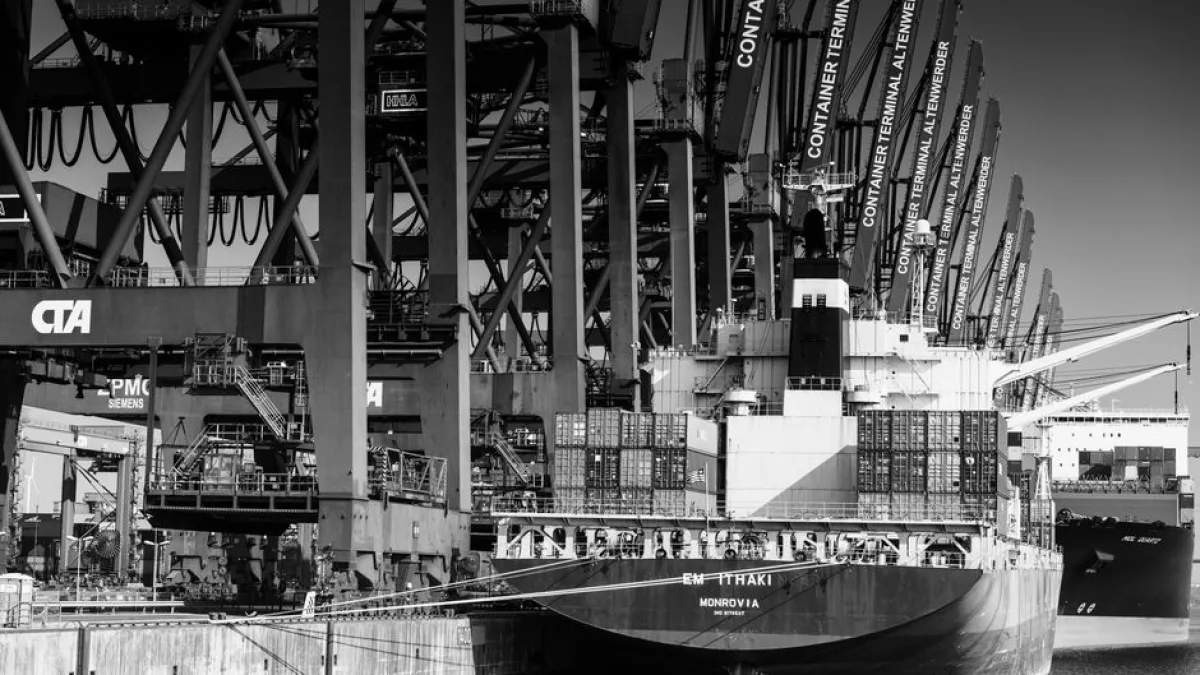
Integration with carrier APIs is the backbone of modern freight forwarding software. By connecting your platform directly to major shipping lines and logistics partners, you remove the barriers of fragmented data and create a unified view of the entire global supply chain.
- Seamless Data Syncing: API connections facilitate the instant exchange of status updates and documentation between parties. This synchronization eliminates gaps in communication and accelerates the entire process.
- Unified Dashboard Access: Manage shipments from multiple carriers within one single software interface for better control. A single source of truth prevents confusion and errors during management.
- Instant Booking Validation: Verify booking confirmation status immediately through direct system links to carrier databases. Quick validation ensures that operations begin without any unnecessary manual delays.
- Improved Data Security: Direct API connections are generally more secure than manual email updates or third party portals. Protecting client and shipping data is a critical responsibility.
Connecting your software to carrier networks represents the gold standard in digital freight forwarding. As these ecosystems continue to evolve, maintaining modern API integrations will ensure your business stays compatible with the latest industry standards. This level of technical sophistication not only streamlines your internal processes but also provides a superior, error free experience that keeps your clients satisfied and loyal to your brand.
Conclusion
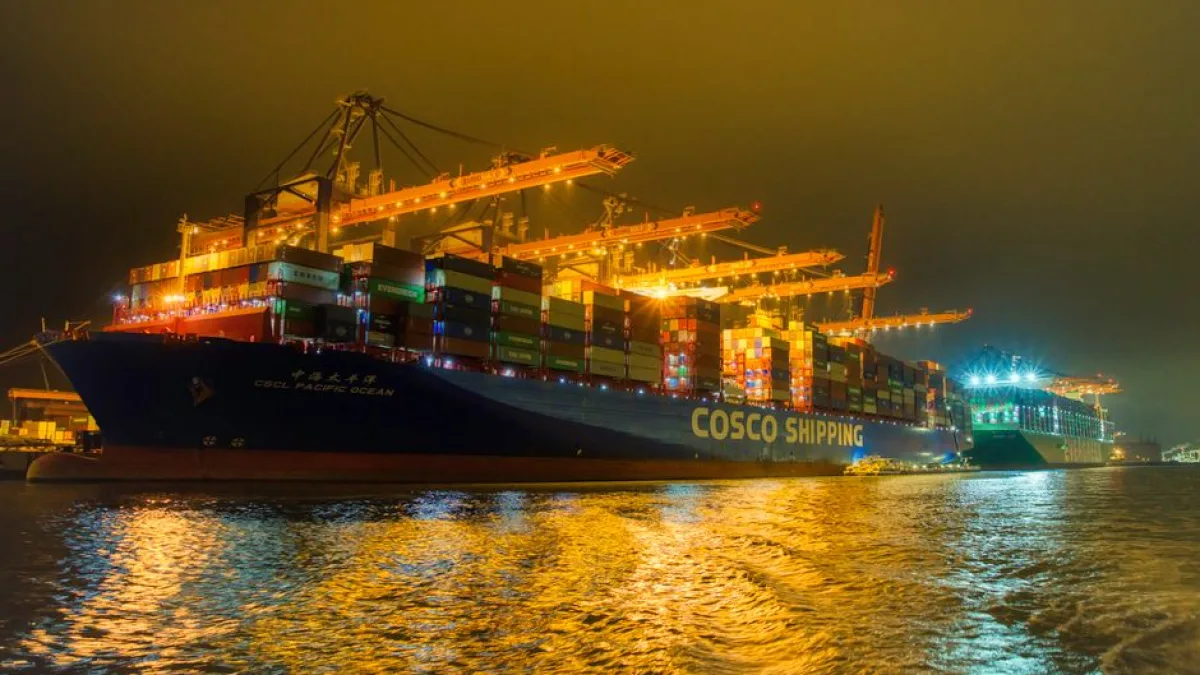
Mastering shipping and tracking is essential for modern freight forwarders aiming to thrive. By utilizing real time visibility, predictive analytics, automated notifications, and seamless API integrations, your business can significantly enhance efficiency and client trust. Focus on building a robust digital foundation to remain competitive in a fast paced industry. Embrace these technological advancements today to ensure long term growth and sustainable success.