Mastering Global Logistics with Advanced Shipping and Tracking Systems
Saturday, September 19 2026
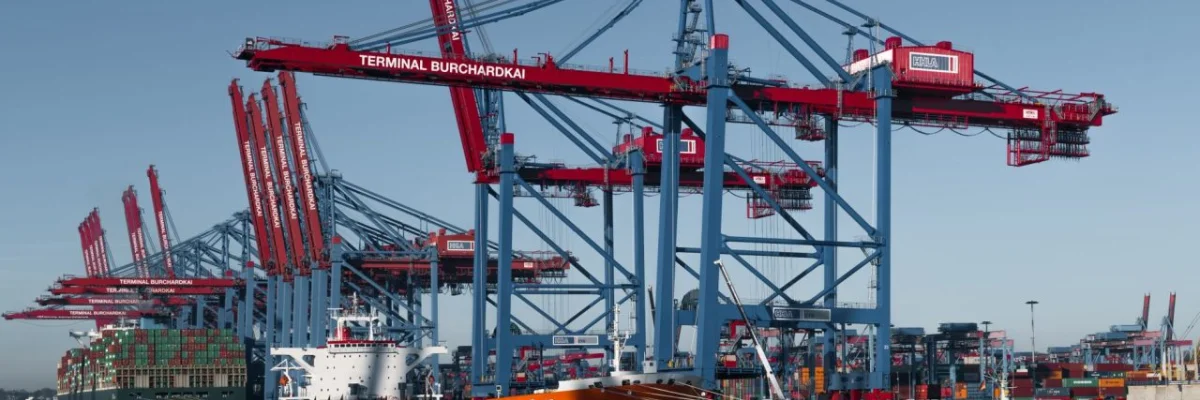
In the fast-paced world of international trade, the ability to provide real-time shipment visibility is no longer a luxury but a fundamental necessity for freight forwarders. Clients demand instant updates on their cargo status, from initial booking to final delivery. As global supply chains face increasing complexity and volatility, leveraging robust software solutions becomes the primary differentiator for competitive logistics firms. By integrating digital tracking tools, forwarders can minimize manual errors, enhance customer trust, and streamline operational workflows. This guide explores the essential components of modern tracking technology and how they empower teams to manage complex movements with greater precision and reliability.
Real Time Visibility Essentials
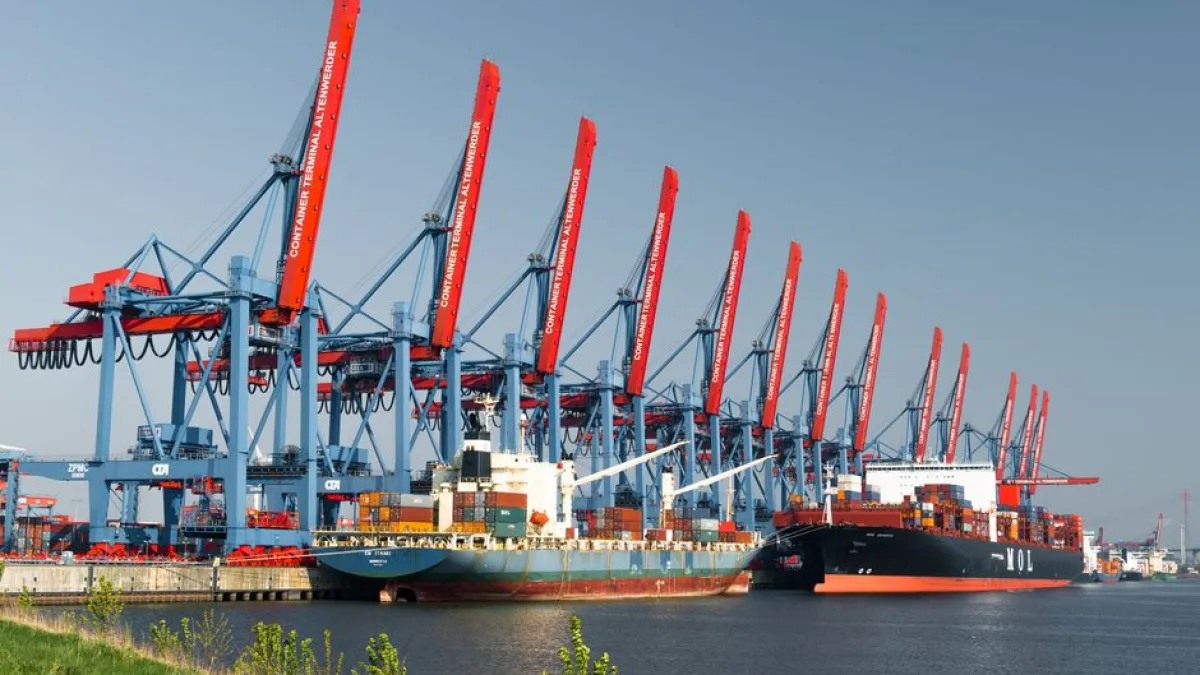
Modern digital platforms provide live data streams that transform how forwarders view their supply chain. By tapping into global telematics, teams can pinpoint cargo locations accurately, ensuring that stakeholders receive prompt notifications during every critical stage of the international transport process.
- Automated Tracking Updates: Advanced software systems automatically pull data from carrier APIs to provide instantaneous status updates, eliminating the need for manual data entry and reducing human error risks.
- Proactive Exception Alerts: Intelligent platforms monitor shipments for potential delays, instantly notifying teams of disruptions so they can implement contingency plans before minor issues become major service failures.
- Unified Dashboards: Centralized digital interfaces allow logistics professionals to monitor multiple transit legs in one place, simplifying complex workflows and providing clarity across diverse international transportation routes.
- Enhanced Client Portals: Providing customers with secure access to live tracking data builds trust and improves communication, reducing the volume of status inquiries handled by your operations team.
- Data Driven Decisions: Access to historical tracking metrics allows forwarders to analyze carrier performance trends, helping them choose more reliable partners for future high priority cargo shipments.
Adopting automated visibility tools is a strategic imperative for any forwarder aiming to scale operations efficiently. By shifting away from manual tracking processes, you empower your staff to focus on solving complex logistical challenges rather than simply chasing data. These technological investments create a seamless experience for your clients, fostering long term partnerships and establishing your brand as a dependable leader in the shipping industry.
Carrier Integration Capabilities

Connecting your management platform directly with global carrier networks is vital for maintaining accurate shipment records. Seamless digital integrations allow for the smooth exchange of information across multiple systems, ensuring that your tracking data remains synchronized and updated without unnecessary manual delays.
- API Connection Benefits: Direct carrier integrations facilitate a seamless flow of information, allowing for real time updates that reflect the exact status of goods while in transit.
- Standardized Data Formats: Modern software interprets diverse data streams into a unified format, ensuring that information from various global carriers is easy to read and understand internally.
- Reduced Administrative Burden: By automating the ingestion of carrier data, your team spends significantly less time updating spreadsheets, allowing them to focus on high value tasks and client.
- Improved Accuracy Levels: Direct data feeds remove the likelihood of transcription errors, ensuring that the tracking information displayed to clients is always precise and fully up to date.
- Multi Modal Support: Robust systems handle data from air, ocean, and ground carriers simultaneously, providing a comprehensive view of complex door to door logistics movements for every client.
Effective carrier integrations serve as the backbone of a high performing logistics operation. By building a network that communicates fluidly with your service partners, you ensure that no shipment data is ever lost or misinterpreted. This digital connectivity reduces operational friction, allows for faster decision making, and provides the transparency required to navigate modern supply chains where speed and accuracy remain the highest priorities.
Managing Exception Handling

Disruptions are inevitable in global trade, but how you handle them defines your service quality. Modern software tools help forwarders detect potential problems early, enabling swift interventions that protect cargo integrity and keep delivery timelines as close to the original schedule as possible.
- Predictive Risk Modeling: Smart algorithms analyze weather and port congestion patterns to forecast potential delivery delays, allowing forwarders to redirect shipments before significant problems occur in transit.
- Instant Team Notifications: Automated internal alerts ensure that your operations staff is aware of any status changes immediately, facilitating rapid responses to prevent further shipment scheduling bottlenecks.
- Streamlined Communication Tools: Integrated messaging modules allow for quick coordination between agents and warehouse staff, ensuring that everyone involved in the shipment stays on the same page.
- Client Transparency Reporting: Transparently communicating delays with clients builds credibility, showing them that you are actively managing their cargo and have a plan for resolving issues.
- Root Cause Analysis: Detailed logs of exceptions allow managers to review past performance, helping them refine processes to avoid recurring issues in future logistics planning and management.
Mastering exception handling is the ultimate test of a professional freight forwarder. When technology provides the early warnings needed to address issues, your team can pivot quickly and maintain service standards despite unforeseen circumstances. Investing in smart alert systems ensures that your clients remain informed and satisfied, even during turbulent times, ultimately enhancing your reputation for reliability and expert management in the logistics market.
Leveraging Analytics for Growth
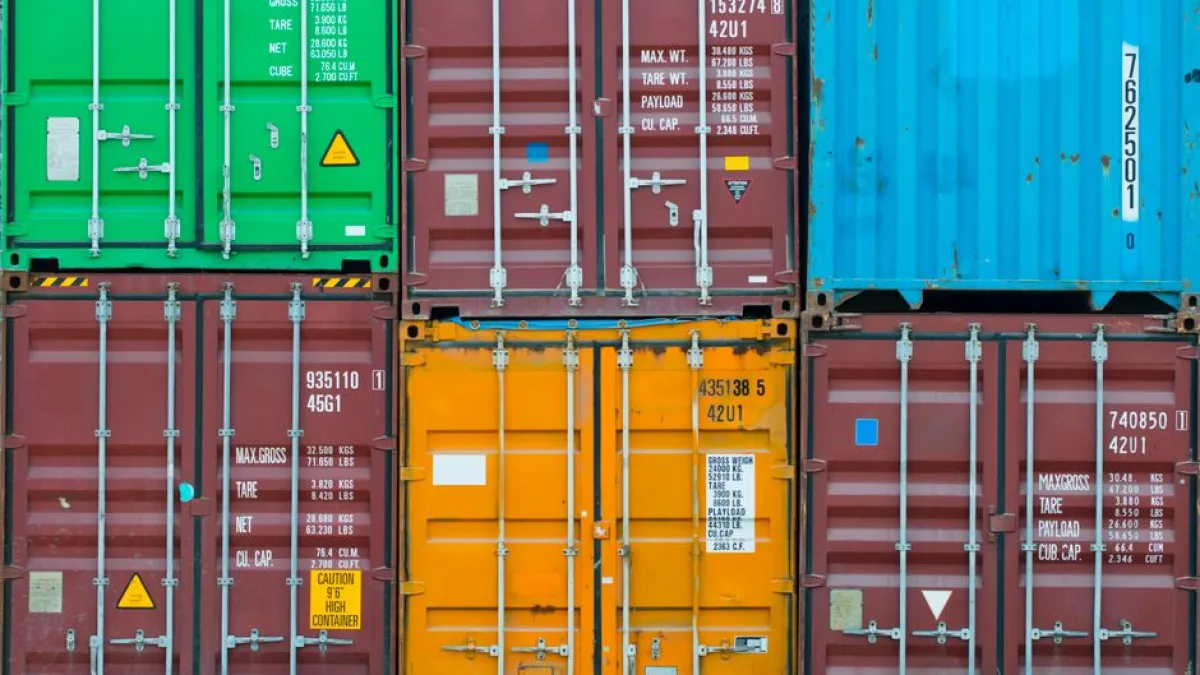
Beyond daily tracking, the data collected during your shipments offers valuable insights into your overall business performance. By utilizing analytical dashboards, forwarders can identify bottlenecks, evaluate carrier partnerships, and optimize their service offerings to achieve sustainable growth and increased operational profitability over time.
- Carrier Performance Metrics: Analytical tools measure carrier reliability and speed, providing clear evidence that helps you negotiate better contracts and select the best partners for your cargo.
- Operational Efficiency Tracking: Monitoring the time taken to process shipments highlights internal bottlenecks, allowing management to streamline workflows and improve productivity across the entire logistics department team.
- Customer Trend Analysis: Reviewing shipping volumes and destination trends helps you identify growth opportunities, enabling you to expand your services in high demand trade lanes with confidence.
- Cost Saving Opportunities: Identifying inefficiencies in transit routes or carrier selection allows you to reduce overall expenditures, which improves your profit margins on future freight shipments.
- Performance Benchmarking Reports: Regular reports comparing current performance against historical data show your progress over time, keeping your team focused on continuous improvement and long term goals.
Data is the most valuable asset in modern logistics, provided it is analyzed correctly. When you use your tracking platform to generate actionable insights, you move from a reactive state to a proactive management style. This strategic approach to business development ensures that your logistics operations remain efficient and profitable, allowing you to scale your business effectively while consistently delivering high value service to clients.
Conclusion

Optimizing your shipping and tracking operations is a key step toward achieving excellence in the logistics industry. By implementing advanced digital tools, you gain the visibility, efficiency, and analytical power needed to outperform competitors. Start modernizing your workflow today by integrating robust software solutions that empower your team to provide exceptional service. Reach out to MakeCargo to discover how our platform transforms complex logistics.