Mastering Global Logistics with Advanced Shipping and Tracking Tools
Sunday, September 20 2026

Modern freight forwarding is defined by transparency and the rapid movement of data across global supply chains. As shippers demand real-time visibility, freight forwarders must transition from legacy manual processes to cloud-based solutions that offer precision and reliability. Mastering the complexities of shipping and tracking requires a robust infrastructure that integrates carrier updates with automated customer communication. By leveraging sophisticated software platforms like MakeCargo, logistics providers can minimize operational bottlenecks, reduce manual data entry errors, and provide the high level of service that international clients expect in a fast-paced environment where every single minute counts toward profitability.
Optimizing Real Time Visibility
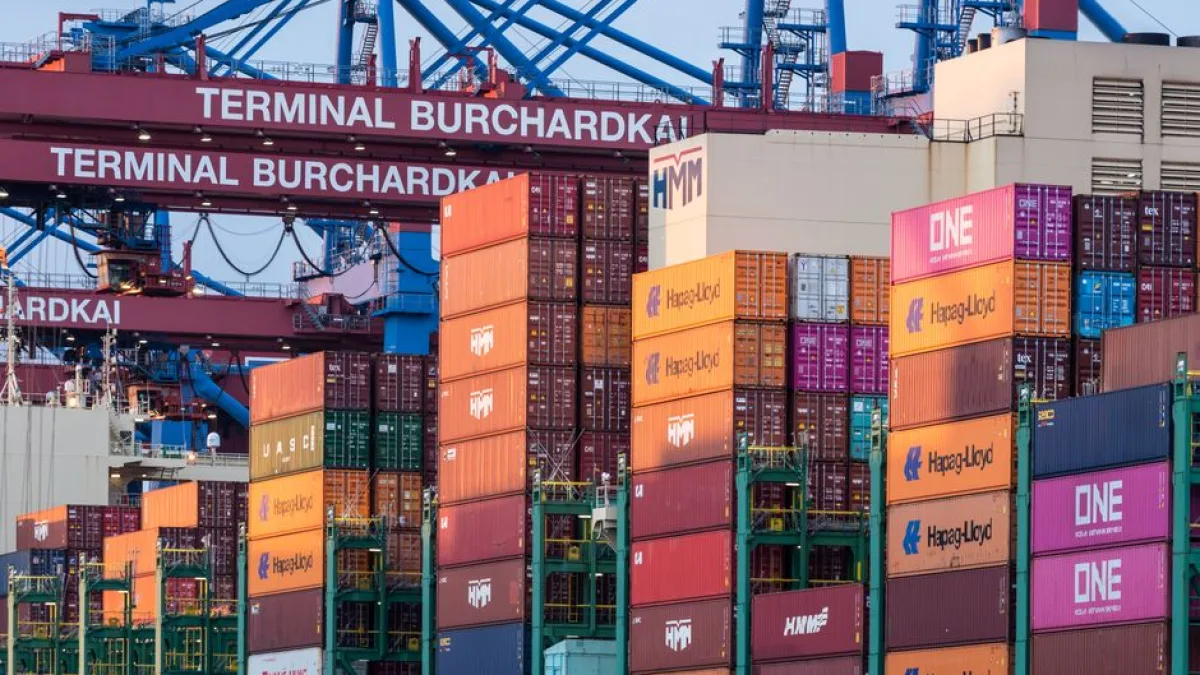
Real time tracking transforms how forwarders handle cargo by providing constant updates from origin to destination. This visibility empowers logistics managers to proactively address potential delays before they escalate into significant financial losses for the stakeholders involved in the shipment.
- Carrier Data Integration: Connecting directly with major ocean and air carriers allows software platforms to pull automated status updates, ensuring that your team always has the most accurate information available.
- Automated Status Alerts: Proactively notify your clients regarding milestone changes such as gate-in or arrival events, which reduces the volume of manual inquiry emails hitting your support staff daily.
- GPS Tracking Accuracy: Modern systems utilize satellite integration to track containers across oceans and inland transit, providing granular location details that build trust with your valuable international shipping clients.
- Exceptions Management Workflow: Identify and categorize potential cargo delays instantly, enabling your operations team to implement contingency plans immediately while keeping all relevant parties informed through centralized communication tools in software.
Achieving total visibility is not merely about tracking boxes but about managing client expectations with surgical precision. When your team can provide live updates, you eliminate the ambiguity that often causes frustration in global trade. By centralizing this data within your digital infrastructure, you free up your staff to focus on strategic decision making rather than chasing status updates from diverse third party carrier portals.
Leveraging Cloud Based Infrastructure

Cloud infrastructure provides the foundation for scalable logistics operations, allowing teams to collaborate across borders without technical constraints. This shift toward browser based platforms ensures that all stakeholders access the same data sets in a secure and unified digital environment.
- Unified Data Access: Ensure your entire logistics team views consistent shipment data in real time, which prevents costly miscommunications that occur when using outdated spreadsheets or fragmented internal record systems.
- Seamless Team Collaboration: Enable remote agents and partner offices to contribute to the shipping process simultaneously, fostering a global workflow that operates efficiently across different time zones and locations.
- Data Security Standards: Protecting sensitive logistics documentation requires enterprise grade encryption protocols that cloud platforms provide to keep your client records and financial transactions safe from malicious external cyber threats.
- Infinite Scalability Potential: Expand your freight volume without worrying about server capacity, as cloud systems grow alongside your business needs to ensure consistent performance during peak shipping seasons every year.
Moving your operations to the cloud is the most effective way to modernize your shipping business for today's market. It removes the limitations of locally hosted software and provides your workforce with the agility required to handle complex global logistics. By adopting these digital tools, forwarders position themselves to scale their operations quickly while maintaining a lean and highly responsive team structure globally.
Enhancing Customer Communication

High quality communication acts as a bridge between complex logistics processes and client satisfaction. By providing automated yet personalized updates, forwarders can enhance their service offering while drastically reducing the time spent answering routine tracking queries from impatient customers today.
- Branded Tracking Portals: Create custom customer interfaces where your clients can view their shipment progress independently, which reinforces your company branding and professional image in every single interaction.
- Automated Email Templates: Send professional status updates triggered by shipment milestones, ensuring your clients receive consistent information throughout the entire lifecycle of their freight without any extra manual work.
- Client Portal Access: Give your customers the power to download shipping documents like bills of lading or packing lists instantly, reducing the back and forth communication regarding simple paperwork.
- Feedback Collection Loops: Incorporate automated surveys after a shipment delivery to gather valuable insights, allowing you to refine your service standards based on direct feedback from your customer base.
Proactive communication distinguishes top tier freight forwarders from the rest of the pack. When you provide your clients with self service options and consistent information, you reduce the workload on your customer service department. This approach fosters long term loyalty and transforms the shipping experience into a transparent partnership that benefits both parties while building a reputation for excellence in the logistics industry.
Streamlining Documentation Workflows

Effective documentation management is the final piece of the puzzle for a seamless shipping experience. Digitizing your paperwork removes the physical bottlenecks that typically delay customs clearance and international transit, keeping your operations moving smoothly through every critical stage of shipment.
- Electronic Document Storage: Securely upload and retrieve all shipping manifests, commercial invoices, and packing lists within the platform, ensuring your team is always audit ready and fully organized every time.
- Automated Document Generation: Auto populate standard shipping forms using data from previous shipments, which saves hours of repetitive typing and significantly lowers the risk of human entry errors occurring.
- Digital Approval Workflows: Utilize electronic signatures to facilitate faster approvals on sensitive documents, cutting down the waiting time between offices and ensuring that deadlines are met with absolute precision.
- Compliance Tracking Features: Monitor document expiration dates and regulatory requirements automatically, helping your team stay compliant with international shipping laws and avoiding costly penalties at the customs border point.
Moving away from paper based processes is essential for any forwarder looking to improve speed and accuracy. Digitized documentation workflows ensure that information flows as fast as the physical cargo itself. By integrating these processes into your software platform, you minimize administrative burden and ensure that your team can focus on the core logistics challenges that drive actual business revenue growth today.
Conclusion
Mastering shipping and tracking is no longer optional for freight forwarders who want to remain competitive in an increasingly digital world. By adopting advanced software platforms and optimizing your visibility, communication, and documentation, you provide unmatched value to your clients. Start leveraging these modern tools today to transform your operations and ensure that your business remains at the forefront of the global logistics industry.