Mastering Global Logistics with Advanced Shipping and Tracking
Sunday, October 4 2026

Modern freight forwarding requires more than just moving goods from origin to destination because today is defined by the relentless demand for transparency. As global supply chains grow increasingly complex, professionals must leverage cloud-based platforms to maintain a competitive edge. Shipping and tracking are no longer peripheral tasks but the central nervous system of logistics operations. By embracing digital tools, forwarders can mitigate risks, improve communication, and provide clients with the real-time visibility they expect. This guide explores how optimizing your tracking processes can transform your business into a high-performance engine capable of navigating the unpredictable challenges of international maritime and air trade.
The Evolution of Visibility
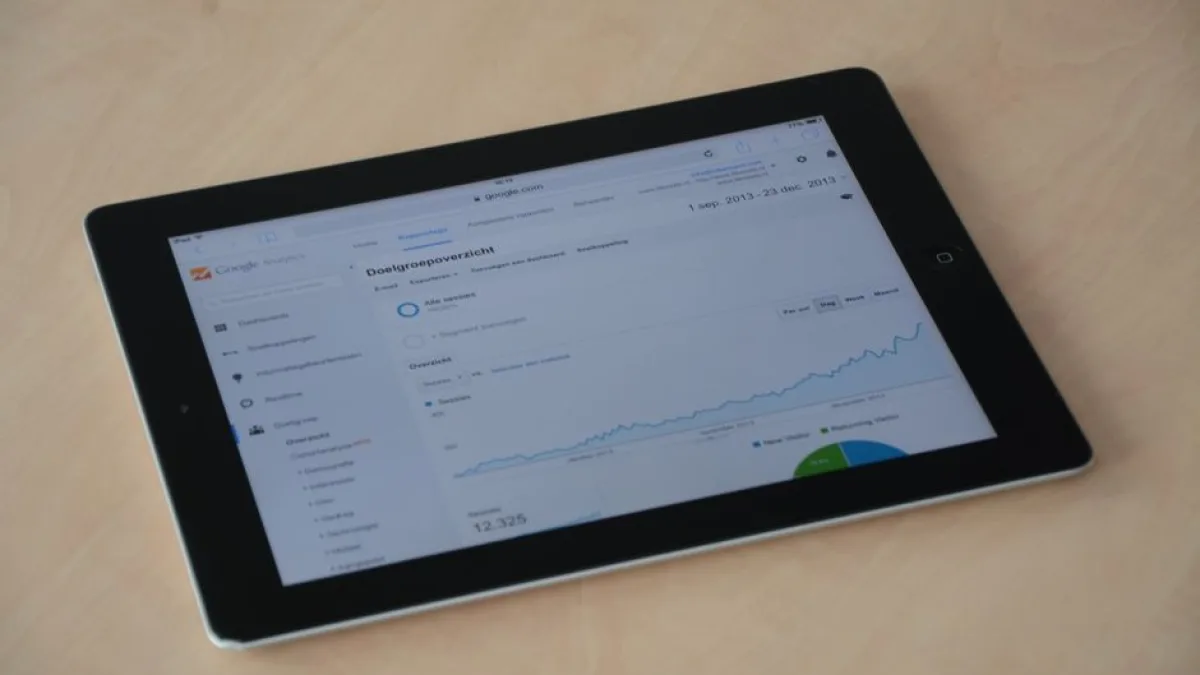
Visibility has shifted from a manual reporting process to a real-time data stream that informs every decision. Freight forwarders who transition away from spreadsheets and email chains toward automated platforms gain a deeper understanding of cargo movement and potential delays across transit.
- Real-time data feeds: Modern platforms integrate directly with carrier APIs to pull live location updates that keep all stakeholders informed about the current status of their cargo shipments.
- Proactive delay management: Automated alerts notify your team immediately when a vessel deviates from its scheduled route, allowing you to inform customers before they even notice a problem.
- Centralized documentation access: Storing bills of lading and commercial invoices within a digital tracking portal ensures that your team always has access to the correct shipment paperwork.
- Reduced manual labor: Software automation removes the need for constant status update requests, freeing your staff to focus on solving complex logistical problems rather than data entry.
- Enhanced client trust: Offering customers a self-service portal builds professional credibility and reduces the volume of support tickets your office must process during a busy quarter.
Adopting advanced tracking software allows your firm to transition from a reactive posture to a proactive partner for your clients. By eliminating information silos, you ensure that every team member sees the same accurate data points. This shared reality minimizes errors, prevents miscommunication, and sets a high bar for service quality that your competitors will struggle to match in today's fast-paced shipping industry environment.
Optimizing Carrier Communication

Maintaining clear lines of communication with international carriers is critical for keeping cargo moving smoothly. When you use integrated software, you bridge the gap between carrier systems and your own operations, creating a unified flow of information and status updates.
- API integration benefits: Connecting your freight software directly to major shipping lines eliminates the need for checking multiple carrier websites every morning to find container status reports.
- Standardized messaging protocols: Uniform digital communication formats ensure that all incoming data remains consistent, which makes it easier for your software to categorize and store information.
- Improved partner relationships: Reliable data exchange helps you build stronger professional ties with carriers by demonstrating a commitment to operational efficiency and technical integration at every level.
- Automated status notifications: Your system triggers updates to customers automatically as soon as carrier status codes change, ensuring that nobody is left wondering about the current location.
- Error reduction strategies: Automated data parsing significantly lowers the risk of human error during manual entry, ensuring that tracking numbers and arrival estimates remain entirely accurate throughout.
Streamlined communication is the backbone of efficient freight forwarding operations in the modern era. When your software handles the heavy lifting of data transmission, your team gains valuable time to build long-term relationships with global partners. Investing in better communication tools today ensures that your logistics network remains resilient and responsive, even when facing significant industry disruptions or sudden changes in global shipping.
Leveraging Predictive Analytics

Predictive analytics allow forwarders to look ahead and anticipate future challenges before they impact the bottom line. By analyzing historical shipping data, your platform can identify trends, forecast potential congestion points, and help you suggest more reliable routes to your clients.
- Route performance tracking: Identifying which shipping routes frequently experience delays allows you to offer more accurate guidance to customers seeking the most reliable and efficient delivery options.
- Historical trend analysis: Reviewing data from previous seasons helps your team anticipate peak periods and manage capacity constraints more effectively than relying on intuition or guesswork alone.
- Capacity planning insights: Analyzing future volume projections helps you secure necessary space with carriers well in advance, protecting your clients from last-minute booking shortages and high prices.
- Cost trend forecasting: Predictive models help you anticipate fluctuations in freight rates, enabling you to provide proactive budgeting advice and pricing quotes for your valued logistics clients.
- Risk mitigation planning: Identifying high-risk transit corridors early enables you to recommend alternative shipping strategies that protect cargo from potential bottlenecks or security threats in problematic zones.
Harnessing the power of predictive analytics transforms your firm into a strategic consultant rather than just a service provider. When you present data-driven insights, you prove your value beyond basic transport. This proactive approach helps your clients optimize their own supply chains, securing their loyalty for the long term while positioning your company as a leader in the global freight forwarding sector.
Building Customer Resilience

Empowering your customers with their own tracking interface builds confidence and long-term loyalty in a competitive market. Transparency is your strongest asset when proving the value of your services to demanding shippers who need constant reliability and clear project communication.
- Self-service tracking portals: Providing customers with a personalized login allows them to view their shipments at any time, significantly reducing the pressure on your internal support team.
- Personalized dashboard views: Allowing clients to customize their tracking dashboard ensures they only see the KPIs that matter most to their specific business requirements and goals.
- Proactive status reporting: Sending automated, branded email updates ensures that your clients stay informed about their cargo without needing to contact your team for manual status checks.
- Transparent exception management: Sharing detailed information about shipment exceptions shows honesty and professionalism, which helps maintain trust even when external factors cause unexpected delays for cargo.
- Integrated communication tools: Using chat features within the tracking portal keeps all project-related conversations in one place, creating an audit trail that is easy to reference later.
Customer-centric tracking tools do more than display numbers on a screen, they build a foundation of trust. By giving your clients total control and transparency over their logistics journey, you turn them into brand advocates who value your professional input. Focus on delivering a seamless digital experience that reflects your company identity, ensuring every interaction strengthens the partnership and secures your future growth.
Conclusion

Mastering shipping and tracking is essential for modern freight forwarders who want to scale their operations successfully. By implementing advanced digital tools and focusing on data-driven decision making, you can enhance operational efficiency and improve client satisfaction simultaneously. Start evaluating your current software stack today to identify where you can automate processes and provide the level of service your clients truly demand from professionals.