Mastering Global Logistics Tracking for Modern Freight Forwarders
Tuesday, July 21 2026
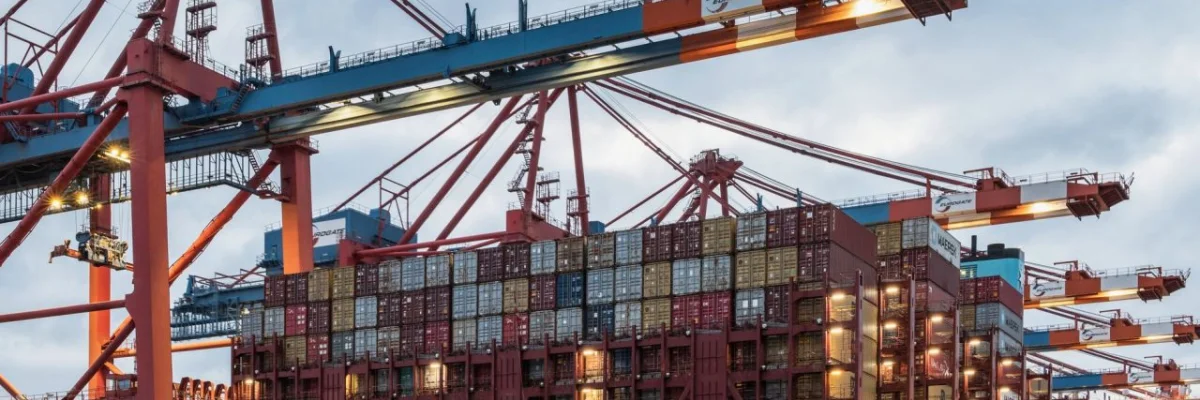
Modern freight forwarding requires precision and speed to maintain a competitive advantage in an increasingly volatile global marketplace. As supply chain complexities mount, the ability to provide real-time visibility becomes the primary differentiator between industry leaders and those lagging behind. Freight forwarders must leverage advanced tracking technologies to mitigate risks, manage client expectations, and optimize transit times effectively. This guide explores the critical components of modern tracking systems, demonstrating how a cloud-based approach empowers logistics professionals to transform raw data into actionable insights, ensuring every shipment moves through the global network with absolute transparency and efficiency.
The Evolution of Real-time Visibility

The maritime landscape has shifted from delayed manual status updates to instant digital data streams. Today, logistics teams rely on satellite telemetry and sensor-driven platforms to monitor assets continuously, allowing for proactive intervention before minor delays escalate into significant operational bottlenecks.
- Satellite connectivity integration: Leveraging global satellite networks provides constant location updates for vessels even in remote maritime areas where traditional terrestrial signal coverage remains completely unavailable for local tracking devices.
- Sensor-based hardware deployment: Modern smart containers equipped with temperature and humidity sensors allow forwarders to track cargo condition alongside location to ensure complete compliance during cold chain logistics operations.
- Automated status notifications: Configuring custom automated alerts ensures that your logistics team receives immediate updates when shipments cross regional borders or arrive at key transition points in the network.
- Data synchronization protocols: Aligning diverse data streams from carriers into one unified dashboard eliminates manual entry errors and creates a single source of truth for your internal operations.
Transitioning toward a fully digitized visibility infrastructure requires a strategic shift in how teams handle incoming shipment data. By moving away from fragmented tracking methods, forwarders gain the ability to provide clients with precise arrival projections. This consistency builds immense trust and fosters long-term business growth, positioning your logistics firm as a reliable partner capable of navigating today's complex international shipping environment with confidence.
Optimizing Warehouse and Port Operations

Efficient tracking extends beyond the open ocean to the critical transition points at ports and warehouses. Improving coordination at these locations is essential for reducing dwell times and maximizing the overall utilization of your firm's internal logistical assets.
- Yard management automation: Implementing automated gate tracking systems ensures that container movements within your facility are recorded instantly, drastically reducing search time for ground teams during peak hours.
- Container dwell tracking: Monitoring exactly how long assets remain at specific terminals allows for better identification of bottlenecks, helping you optimize routing decisions to avoid unnecessary storage fees.
- Barcode and RFID integration: Using modern scanning hardware provides instant status updates to your cloud platform, ensuring that every inventory movement is logged accurately without manual administrative overhead.
- Staff workflow optimization: Connecting tracking data to task management software allows supervisors to assign pickup or loading duties to nearby staff based on real-time location and equipment availability.
Synchronizing your warehouse activities with global tracking insights creates a cohesive loop of operational efficiency. When every team member understands the precise status of inbound or outbound freight, the frequency of errors drops significantly. By refining these internal processes, you unlock higher capacity levels and improve overall service delivery, which directly impacts your bottom line and strengthens your reputation in logistics.
Leveraging Predictive Analytics for Logistics

Moving past simple location tracking, predictive analytics offer a glimpse into the future of every shipment. Forwarders who utilize historical performance data can forecast potential delays and adjust their logistics strategies before issues actually impact the final delivery schedule.
- Historical transit analysis: Reviewing years of past arrival data helps your team calculate more accurate lead times, allowing for better planning and reduced margin for error in scheduling.
- Predictive weather modeling: Analyzing meteorological patterns helps teams proactively reroute shipments away from approaching storms or heavy weather events that traditionally cause significant delays for maritime freight traffic.
- Risk mitigation forecasting: Identifying recurring transit risks at specific hubs allows for the development of alternative contingency plans that keep your supply chain moving despite unexpected global disruptions.
- Client demand modeling: Understanding seasonal shifts and historical shipping volume allows for better resource allocation, ensuring that your firm is prepared for spikes in activity throughout the year.
Predictive tools turn historical data into a strategic asset that keeps your firm one step ahead of global logistics challenges. Instead of reacting to problems, your team becomes a proactive force in the supply chain. This shift in perspective transforms the client experience, as transparency is bolstered by reliable forecasts, ultimately driving greater loyalty and opening doors for new business opportunities.
Building Client Trust Through Transparency

External visibility portals serve as the public face of your freight forwarding services. Providing clients with direct, easy access to their shipment data is no longer a luxury but a fundamental necessity in modern client-facing logistics operations.
- Client-facing visibility portals: Giving customers their own login to track shipments removes the need for manual status reports and empowers them to access critical information whenever required.
- Custom notification settings: Allowing clients to choose which updates they receive reduces email clutter while ensuring they remain informed about only the most relevant milestones for their business.
- Document sharing transparency: Enabling direct digital access to shipping documents like bills of lading within the tracking portal streamlines the administrative flow and speeds up customs clearance.
- Branded reporting tools: Presenting data through professional, branded dashboards enhances your firm's professional image and keeps your company name in front of the client during every interaction.
Empowering clients with digital tools fosters a sense of partnership rather than a strictly transactional relationship. When customers feel informed and in control of their own supply chain, their satisfaction levels climb significantly. Investing in these client-facing solutions is the best way to distinguish your services, build lasting trust, and maintain a competitive edge in a demanding global shipping industry.
Conclusion

Adopting advanced tracking capabilities is the most effective way to optimize your freight forwarding operations and enhance client satisfaction. By integrating real-time data, predictive analytics, and transparent reporting into your workflow, you create a robust foundation for scalable success. Evaluate your current systems today to ensure your team has the digital tools necessary to thrive in the modern global logistics market.