Mastering Global Logistics Tracking for Modern Freight Forwarders
Wednesday, July 22 2026
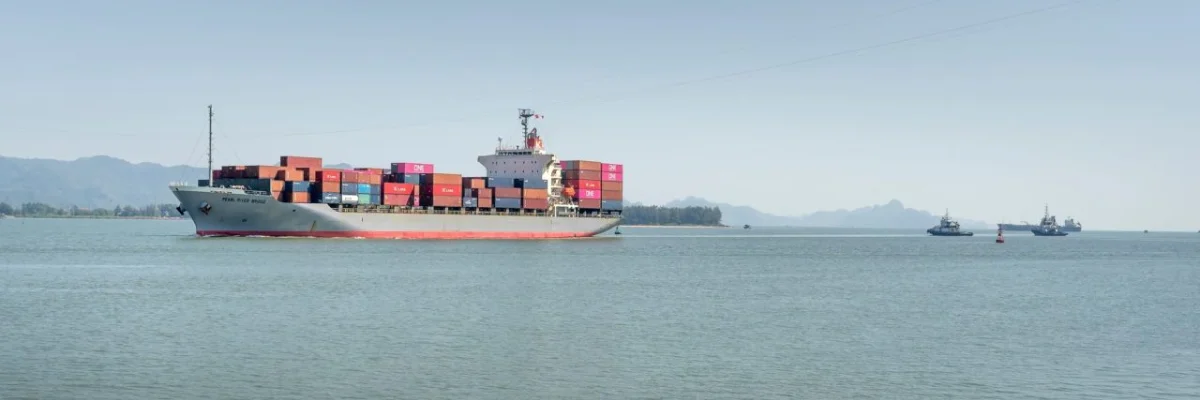
Modern freight forwarding requires more than just moving goods from origin to destination. In a fast paced global economy, your clients demand total transparency and real time updates regarding their supply chain status. As shipping complexity increases, the ability to track shipments across multiple modes of transport has become a primary competitive advantage. By leveraging sophisticated digital tools, forwarders can proactively manage risks and provide accurate data to their customers. Mastering these tracking capabilities is essential for maintaining operational efficiency, reducing human error, and building long term loyalty within an increasingly demanding and unpredictable international logistics market today.
Real Time Visibility Essentials

Achieving true visibility begins with integrating live data feeds directly into your transport management system. This ensures that every stakeholder can monitor the precise location and condition of freight while reducing the need for manual status update inquiries from clients.
- Automated Data Feeds: Eliminate manual entry by connecting your logistics software directly to carrier APIs. This provides instant updates on vessel locations and container status changes without human intervention.
- Proactive Exception Alerts: Configure your system to trigger notifications immediately when transit delays occur. This allows your team to troubleshoot issues before they escalate into major customer service problems.
- Enhanced Client Portals: Provide your customers with a secure web interface to track shipments independently. Self service access reduces support volume and builds trust through total transparency.
- Accurate Transit Predictions: Utilize historical and live data to calculate precise estimated arrival times. Delivering reliable arrival windows helps your clients manage their own inventory levels effectively and efficiently.
Implementing these visibility standards transforms how you communicate with your shippers. Instead of chasing information through email chains, your team focuses on managing expectations and solving logistics hurdles as they appear. Clients value this level of professionalism and the speed of communication that real time tracking provides. Investing in these digital capabilities positions your brokerage as a reliable leader in a crowded market.
Optimizing Warehouse Inventory Flow

Efficient tracking does not stop at the port gate. Maintaining oversight of cargo inside your warehouse facilities is vital for preventing bottlenecks and ensuring that pick and pack operations align perfectly with outbound shipping schedules for your customers.
- Barcode Scanning Integration: Use handheld scanners to capture item data instantly as goods arrive or depart. This method drastically reduces picking errors and ensures inventory records remain accurate.
- Digital Inventory Tracking: Replace legacy spreadsheets with a centralized cloud database for your warehouse items. Real time data synchronization prevents overselling or misplacing high value customer freight assets.
- Automated Low Stock Alerts: Receive system notifications when inventory levels drop below a predefined threshold. This ensures you never run out of essential packing materials for your logistics operations.
- Seamless Order Fulfillment: Connect your warehouse data to your shipping software for fluid transitions. This synchronization enables faster processing times and ensures that all documentation is accurate before departure.
Proper inventory management relies on data accuracy at every touchpoint within the four walls of your facility. By digitizing these processes, you eliminate the confusion often associated with manual stock tracking. This leads to faster order turnaround times and significantly improved operational metrics. Your ability to provide detailed reports on warehouse movements will distinguish your services from lower tech competitors in today's market.
Managing Multi Modal Transit

Navigating the complexities of multi modal shipping requires a robust tracking system that bridges the gaps between sea, air, and road transport. Coordinating these distinct legs is difficult without a unified platform that maintains data continuity throughout.
- Unified Status Dashboards: Consolidate data from ocean, air, and truck carriers into a single screen view. This perspective allows you to manage end to end shipments with complete clarity.
- Carrier Performance Analytics: Evaluate individual carrier reliability by tracking transit leg performance over time. This data assists in making informed decisions about which partners to utilize for routes.
- Document Data Matching: Ensure that shipping labels and electronic manifests match across every leg of the journey. Consistency prevents customs holds and keeps cargo moving without unnecessary interruptions.
- Seamless Handoff Tracking: Monitor the critical transition points between different transport modes to detect potential delays. Swift communication at these junctures prevents costly downtime for your shipping clients.
Successfully managing multi modal logistics relies on the ability to maintain data integrity across diverse carrier platforms. When your software acts as the single source of truth, the risk of miscommunication or lost shipments drops significantly. You gain the confidence to handle complex international routes while ensuring that every leg of the journey is accounted for and optimized for speed and cost.
Strategic Data Driven Decisions

Data is the most valuable asset a freight forwarder possesses for long term growth. Analyzing your tracking history allows you to refine your operational strategies and identify cost savings that remain hidden in poorly maintained logistics logs and records.
- Trend Analysis Reporting: Review historical shipping patterns to identify recurring bottlenecks in specific regions. This insight allows you to reroute freight before these problems repeat in the future.
- Cost Efficiency Audits: Compare actual transit costs against initial freight quotes to measure profitability. Identifying these discrepancies helps you adjust your pricing strategy for future client contracts.
- Client Behavior Insight: Understand which shipping routes are most popular among your top tier clients. Customizing your service offerings based on this data increases customer lifetime value.
- Resource Allocation Planning: Use predictive data to prepare for peak shipping seasons by adjusting staffing needs. Efficient resource management ensures your operations remain profitable during high demand periods.
Leveraging your data for strategic planning elevates your role from a simple carrier to a trusted consultant. By offering actionable insights based on past performance, you help your clients optimize their own supply chain strategies. This level of partnership creates significant barriers to entry for your competitors and solidifies your firm as a critical component of the client success story over time.
Conclusion
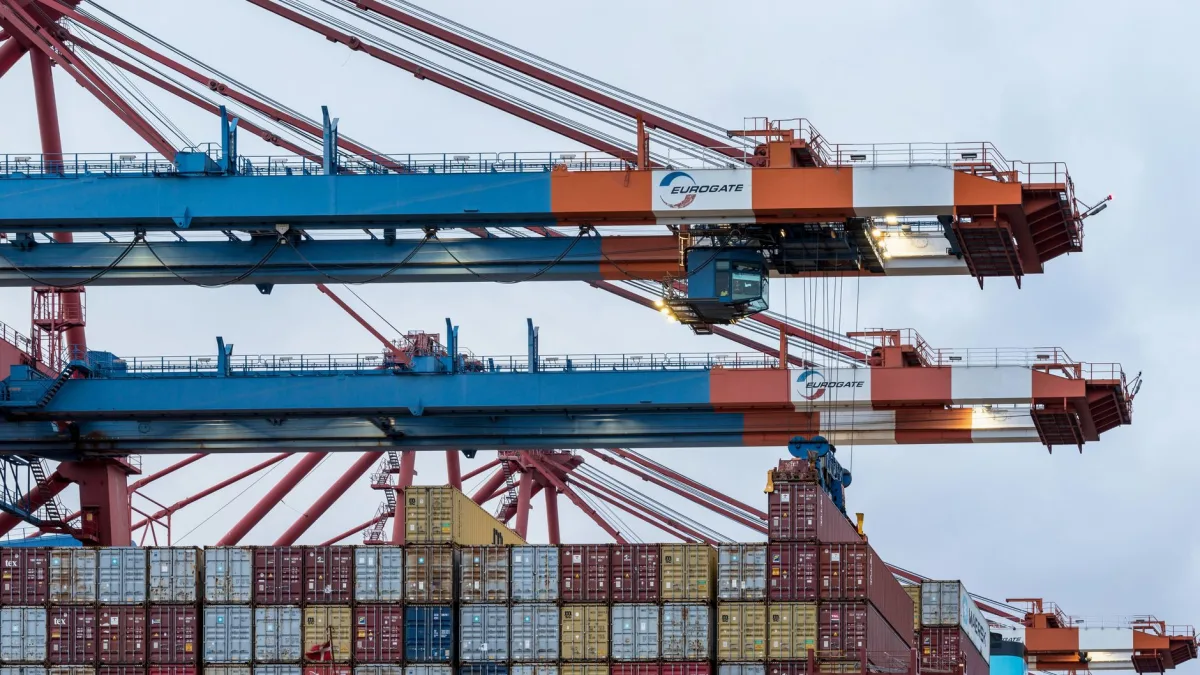
Integrating advanced tracking solutions is no longer optional for freight forwarders aiming to scale. By centralizing your data and providing real time visibility, you enhance client satisfaction while optimizing internal workflows. Start evaluating your current logistics software stack today to identify gaps in your tracking capabilities. Adopting a cloud based approach will ensure you remain competitive, agile, and ready for future global industry demands.