Mastering Global Logistics Tracking for Freight Forwarders
Wednesday, July 22 2026
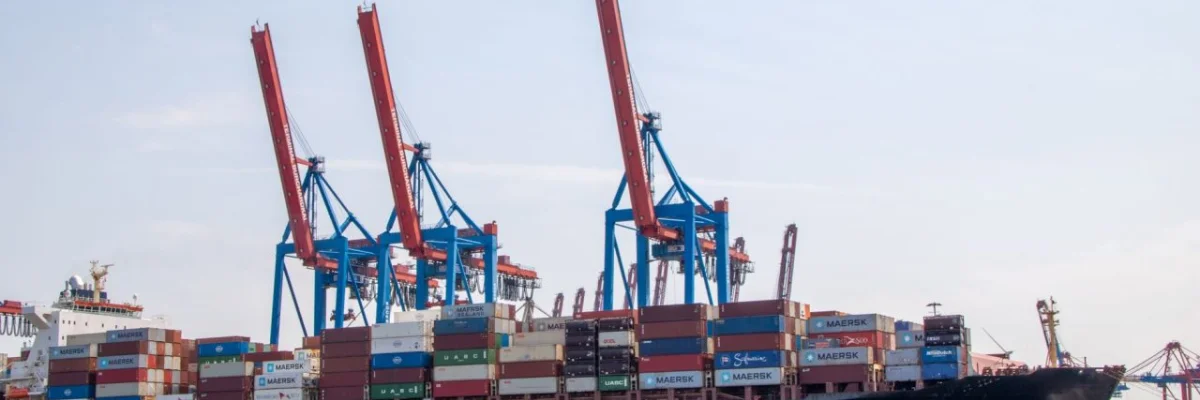
In the high-stakes world of international trade, the ability to provide real-time transparency is no longer a luxury but a fundamental necessity for every freight forwarder. As supply chain complexities increase, clients demand instant updates regarding their cargo movement across oceans and continents. Implementing robust tracking technologies allows businesses to proactively manage exceptions rather than reacting to delays after they occur. By digitizing the end-to-end monitoring process, forwarders can enhance trust, reduce manual communication burdens, and ensure that every shipment reaches its final destination with precision, efficiency, and consistent reliability for all parties involved in the logistics chain.
Optimizing Shipment Visibility Channels

Modern visibility requires integrating multiple data points to create a single source of truth for every transit phase. By leveraging cloud-based platforms, companies can unify tracking data from carriers and ports into one comprehensive dashboard for improved oversight and operational control.
- Automated Data Feeds: Eliminate manual entry by integrating direct APIs from ocean and air carriers to pull status updates automatically into your management system for real-time visibility improvements.
- Centralized Dashboards: Access a unified view of your entire shipment pipeline, which helps identify bottlenecks immediately and allows your team to communicate status changes to clients without delay.
- Client Portal Access: Empower your customers with self-service tracking tools that reduce the volume of inquiry emails and phone calls, ultimately freeing up your staff for higher-level tasks.
- Proactive Exception Alerts: Configure customized notifications that trigger whenever a milestone is missed, ensuring your team identifies potential cargo delays before they impact the final delivery schedule for customers.
Consolidating your tracking data within a single software environment transforms your logistics workflow. When data flows seamlessly between carriers and your internal systems, the risk of human error decreases significantly. This shift from manual spreadsheet management to automated tracking ensures that every stakeholder receives accurate information, helping to maintain high standards of service while scaling operations to meet growing international trade demands efficiently.
Leveraging Advanced Predictive Analytics

Predictive tools enable forwarders to anticipate transit disruptions by analyzing historical patterns and external environmental factors. Moving beyond basic tracking, these insights empower teams to make data-driven decisions that safeguard cargo timelines against unpredictable global disruptions and seasonal logistics challenges.
- Route Performance Metrics: Analyze historical carrier data to identify the most reliable transit paths, helping you select better shipping options for your clients during periods of high market volatility.
- Delay Risk Assessment: Utilize machine learning algorithms to forecast potential bottlenecks at major transit hubs, allowing you to suggest alternative routing strategies before cargo gets stuck in queues.
- Vessel Schedule Reliability: Monitor real-time performance of shipping lines to verify if they meet their published transit times, ensuring that your long-term planning remains accurate and highly dependable.
- Port Congestion Analysis: Track terminal efficiency scores to understand which locations currently suffer from heavy backlog, helping you advise clients on potential risks for their upcoming import shipments.
Integrating predictive intelligence into your daily operations changes how you manage long-term client relationships. Rather than simply reporting on a delayed shipment, you can now offer strategic advice and alternative routing solutions before problems occur. This proactive approach distinguishes your freight forwarding brand in a competitive market, demonstrating deep expertise and commitment to achieving the best possible outcomes for your global shipping clients.
Enhancing Stakeholder Communication Standards

Effective tracking involves keeping all relevant parties informed throughout the entire logistics journey. By standardizing communication protocols, forwarders can ensure that information remains consistent and accessible, fostering better collaboration between shippers, warehouses, trucking companies, and internal dispatch teams for success.
- Automated Status Reports: Schedule recurring email updates for your clients so they receive consistent information regarding their freight status without requiring your manual intervention or dedicated follow-up time.
- Standardized Milestone Definitions: Create clear internal documentation for what each tracking milestone means, preventing confusion between your staff and customers when discussing transit stages and arrival estimates.
- Instant Team Notifications: Connect your tracking software to messaging platforms so that your warehouse and dispatch teams receive immediate alerts regarding incoming shipments or critical cargo status updates.
- Unified Messaging Logs: Keep all communication history attached to specific shipments within your digital platform, ensuring that any team member can pick up a conversation with full context.
Strong communication habits serve as the backbone of every successful logistics operation. When you eliminate information silos, you reduce the likelihood of costly misunderstandings that frequently lead to warehouse storage fees or missed transport connections. Maintaining high standards for internal and external transparency builds long-term professional trust, proving that your firm handles every logistical challenge with professional diligence and clear communication.
Future-Proofing Your Logistics Technology Stack

Adopting scalable software solutions ensures your business stays competitive as industry standards evolve. By investing in flexible cloud-based tools, forwarders can integrate emerging technologies and adapt to changing market requirements, ensuring that your tracking capabilities grow alongside your expanding global client network over time.
- API First Architecture: Prioritize software platforms that offer open connectivity, allowing you to easily integrate new tracking technologies as they emerge without needing to replace your core infrastructure.
- Cloud Scalability Benefits: Utilize hosted platforms that accommodate increased data volumes as your business grows, ensuring your tracking performance remains fast and reliable during peak global shipping seasons.
- Mobile Accessibility Tools: Ensure your team can access crucial shipment information from any device, providing the flexibility needed to manage global supply chain demands outside of normal hours.
- Continuous Feature Updates: Choose partners that regularly roll out new tracking enhancements based on user feedback, ensuring your software keeps pace with the latest logistics technology industry trends.
Investing in scalable, cloud-based infrastructure provides a competitive edge in a fast-paced industry. As new tracking technologies arise, your business will remain agile enough to adopt these tools quickly. By focusing on modern software, you reduce technical debt and position your freight forwarding firm for long-term growth, ensuring your services remain relevant and highly effective in an increasingly digital global shipping market.
Conclusion

Tracking technology is essential for modern freight forwarders who want to maintain efficiency and reliability. By unifying data, leveraging predictive analytics, improving communication, and adopting scalable software, you provide superior value to your clients. Start optimizing your logistics tracking processes today to streamline operations, reduce potential delays, and build lasting professional trust. Contact MakeCargo to see how our platform elevates your digital freight operations.