Mastering Global Logistics Tracking for Freight Forwarders
Thursday, July 23 2026

In the modern logistics landscape, freight forwarding professionals face increasing pressure to provide real-time visibility to their clients. As global supply chains become more complex, the ability to track shipments with precision is no longer a luxury but a fundamental necessity for business growth. Relying on outdated manual updates creates communication gaps and operational inefficiencies that can damage client trust. By leveraging cloud-based platforms, forwarders can now consolidate data streams from various carriers and regional ports. This article explores how advanced digital tracking solutions empower your team to maintain control while enhancing service delivery, transparency, and overall operational efficiency across all international shipping routes.
The Importance of Real-Time Visibility

Real-time visibility transforms how you manage client expectations by providing instant updates on location and status. This clarity prevents the common frustrations associated with lost data or late notifications, ensuring that all stakeholders remain informed throughout the journey.
- Proactive Problem Solving: Detect potential disruptions in transit before they escalate into major problems, allowing your team to implement alternative routing strategies that keep cargo moving toward the final destination.
- Enhanced Client Trust: Provide your customers with a reliable self-service portal where they can check shipment statuses, fostering long-term professional relationships based on transparency and consistent service delivery.
- Data Driven Insights: Analyze historical tracking data to identify recurring bottlenecks in specific regions, enabling you to optimize future shipping routes and negotiate better service level agreements with carriers.
- Reduced Manual Work: Automate the repetitive process of status updates by syncing your platform with carrier APIs, freeing up your logistics experts to focus on complex high-value tasks.
Adopting a centralized tracking system allows your team to move away from reactive crisis management toward a proactive logistics model. By reducing the reliance on email chains and manual data entry, you gain the agility required to handle modern freight challenges. This digital transition directly impacts your bottom line by increasing throughput and reducing administrative labor costs associated with routine shipment inquiry responses.
Centralizing Data Across Multiple Carriers
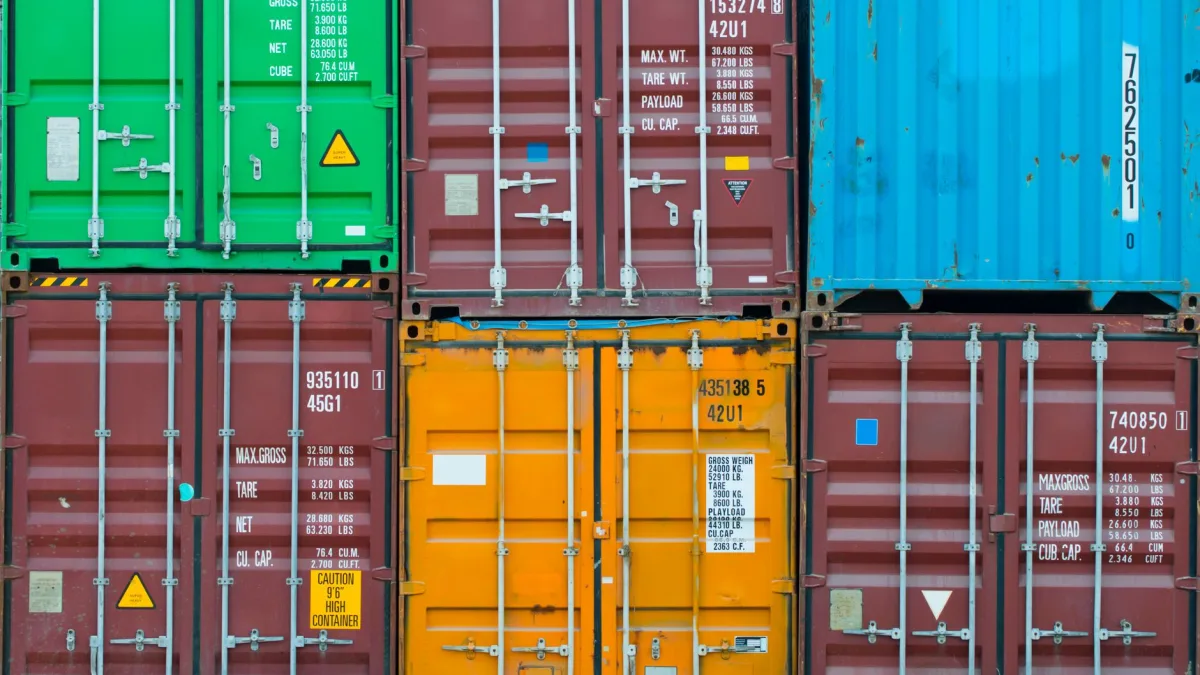
Managing data from different carriers often feels like a fragmented experience without a unified platform. Centralization ensures that every status update, document, and milestone exists within one cohesive ecosystem, eliminating the need to toggle between multiple different carrier websites.
- Unified Data Streams: Integrate feeds from various steamship lines and air cargo providers into a single dashboard, providing a seamless overview of your entire active freight movement portfolio today.
- Streamlined Documentation Flow: Link tracking events directly to relevant shipping documents like bills of lading, ensuring that your team has immediate access to critical paperwork during transit inspections.
- Consistent Reporting Formats: Standardize the presentation of tracking updates across all client reports, which helps maintain a professional brand image regardless of the specific carrier used for shipping.
- API Integration Power: Leverage robust cloud-based software that connects directly with global carrier databases, ensuring that the information displayed is always accurate and updated in real time.
By bringing all carrier data into a single environment, you eliminate the blind spots that frequently plague international freight forwarding operations. This cohesion allows your staff to work from a single source of truth, significantly reducing the probability of human error in communication. Clients appreciate the professional look of consolidated data, which simplifies their internal supply chain management processes and enhances communication.
Optimizing Communication with Automated Alerts

Automated alerts act as your digital assistant, notifying clients immediately when milestones are reached or unexpected delays occur. This proactive approach minimizes inbound status inquiries, allowing your team to manage larger shipment volumes without increasing the overall headcount of staff.
- Instant Status Notifications: Trigger automatic emails or portal alerts for key milestones such as vessel departure or arrival, keeping your customers informed without requiring manual intervention from staff.
- Exception Management Alerts: Configure your system to send immediate notifications if a shipment encounters an unexpected delay at a port, giving your team time to provide proactive solutions.
- Customizable Client Rules: Set specific notification preferences for different customers, ensuring that each client receives the level of detail that fits their unique operational requirements and supply chains.
- Improved Response Speed: Shorten the time it takes to address customer queries by having all the necessary information ready at the click of a button within your software.
Effective communication remains the cornerstone of client retention in the freight forwarding industry. When your tracking system automatically handles the delivery of status updates, your team is freed to provide high-level advisory support for complex shipping issues. This balance of automated efficiency and human expertise creates a competitive advantage that encourages clients to remain loyal to your forwarding services for years.
Leveraging Advanced Predictive Analytics

Predictive analytics uses historical trends to help you forecast potential issues before they negatively impact your customers. By understanding common transit patterns and port congestion levels, you can make smarter decisions that improve overall delivery performance for your active cargo shipments.
- Predictive Delay Modeling: Utilize platform algorithms that analyze historical carrier performance to estimate the likelihood of transit delays on specific lanes, allowing for better planning and cargo scheduling.
- Optimized Routing Choices: Make informed decisions about which carriers or routes to recommend based on real-world data, ensuring that your advice to clients is backed by evidence.
- Operational Trend Identification: Recognize seasonal patterns in port traffic that might impact shipment lead times, allowing you to prepare your clients for busier periods throughout the fiscal year.
- Performance Benchmarking: Compare different carrier performances against one another to ensure that you are consistently selecting the most efficient partners for your global logistics network needs.
Predictive capabilities elevate your service from mere cargo movement to strategic supply chain partnership. By anticipating challenges before they arrive, you establish your firm as a forward-thinking industry leader that clients can rely on during volatile market conditions. These insights convert complex data points into actionable intelligence, ultimately driving higher performance levels and securing your firm's position as a preferred freight forwarder.
Conclusion
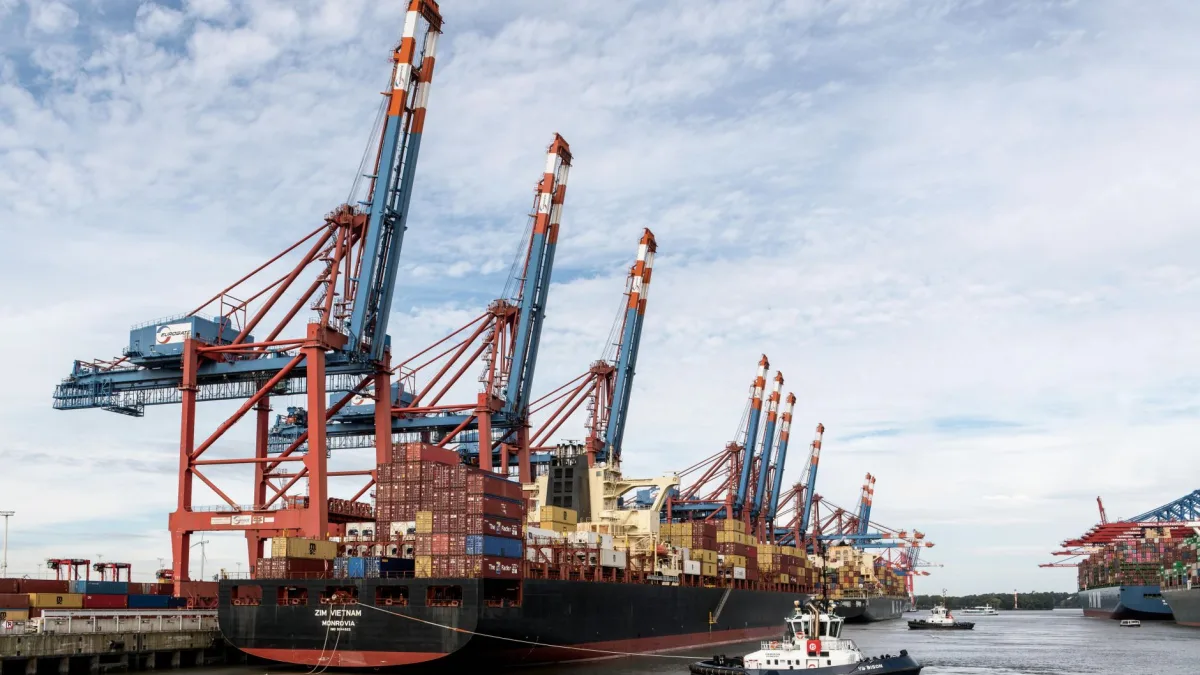
Modernizing your tracking strategy is essential for staying competitive in today's fast-paced shipping market. By centralizing carrier data and using automation to drive communication, you create a scalable foundation for your freight forwarding business. Start integrating these advanced digital tools into your daily workflow now to enhance your service quality and build lasting trust with clients who value visibility, accuracy, and operational excellence.