Mastering Global Logistics Tracking with Cloud Technology
Saturday, July 25 2026

Modern freight forwarding relies heavily on the ability to monitor shipments in real time across vast international supply chains. As global trade becomes increasingly complex, professionals must adopt advanced digital tools to maintain transparency and provide superior service to their clients. By leveraging cloud based platforms, logistics providers can centralize shipment data, reduce manual errors, and foster proactive communication. This evolution in shipping and tracking is not just a competitive advantage but a necessity for surviving in a volatile market. Adopting these modern workflows allows businesses to scale efficiently while meeting the rising expectations of today's digital first customers.
Optimizing Real Time Visibility
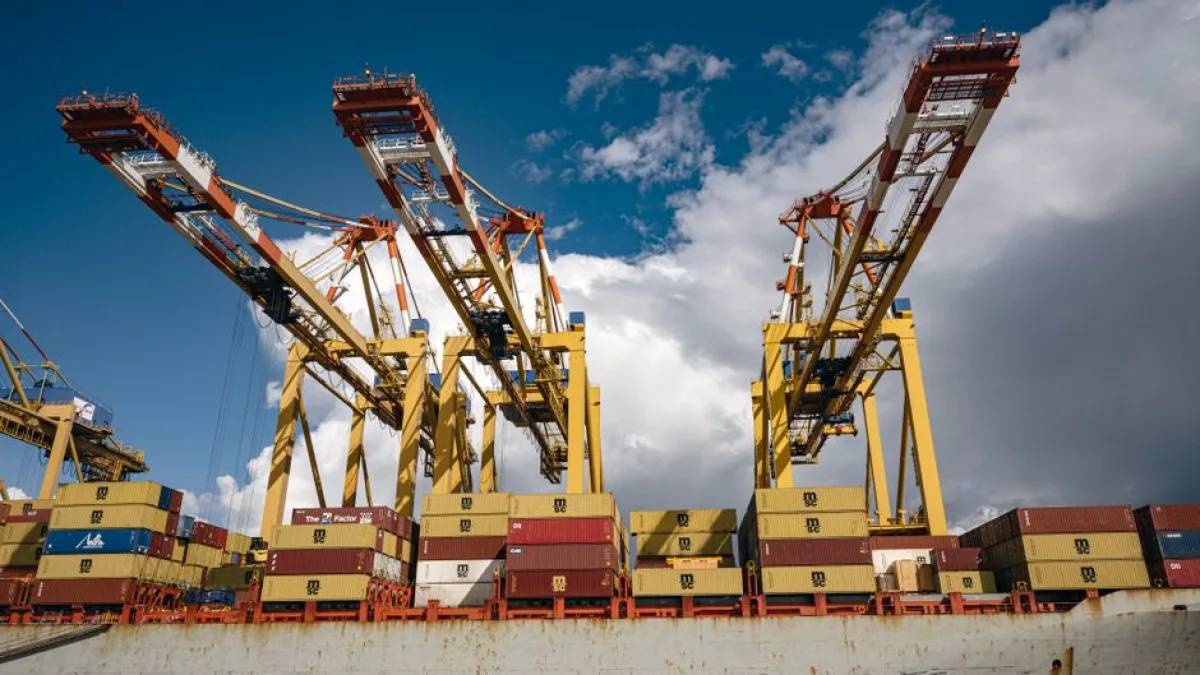
Real time visibility ensures that freight forwarders and their clients remain informed about the exact location of goods throughout the entire transit process. This transparency helps mitigate risks and allows for quick adjustments when disruptions occur in the global transport network.
- Automated status updates: System triggers send instant notifications to stakeholders whenever a shipment hits a new milestone, ensuring that everyone remains updated without the need for manual data entry tasks.
- GPS integration benefits: Connecting fleet tracking software directly to your platform allows you to monitor vessel and vehicle movements precisely, providing accurate arrival estimates that build trust with your customers.
- Centralized data access: Having all shipment documents and location history in one cloud portal eliminates information silos, allowing your team to respond to client inquiries with speed and accuracy.
- Exception management tools: Advanced analytics detect delays before they escalate, enabling your staff to implement contingency plans immediately to protect cargo integrity and maintain reliable delivery timelines for your clients.
Integrating robust visibility features into your daily operations creates a seamless experience for your entire network. By removing the guesswork from global shipping, you empower your team to focus on strategic tasks rather than chasing status updates via phone or email. This transformation creates a more resilient supply chain that can withstand unexpected global challenges while consistently delivering value to every business partner involved.
Improving Collaborative Communication

Clear communication serves as the foundation for successful logistics partnerships between shippers, carriers, and forwarders. Digital platforms facilitate shared workspaces where critical information is exchanged securely, preventing costly misunderstandings and ensuring that all parties stay aligned on project goals.
- Unified message threads: Linking communication directly to specific shipment files prevents information loss, ensuring that every team member understands the context and history of a particular logistics request or incident.
- External partner portals: Providing clients with secure access to their own dashboard reduces the volume of support tickets, allowing your team to focus on resolving complex logistical problems instead.
- Automated alert triggers: Setting custom notifications for specific events ensures that key stakeholders are informed instantly, which reduces the reaction time required to address any potential supply chain bottlenecks.
- Document sharing efficiency: Storing bills of lading and customs forms in a shared cloud folder minimizes email back and forth, speeding up the overall processing time for complex international exports.
When communication is centralized, your organization becomes significantly more agile and responsive to the needs of your global customers. Digital tools provide the structure necessary to manage high volumes of information without sacrificing quality or speed. Investing in these collaborative features allows freight forwarders to build stronger, long term relationships by providing a professional, transparent, and highly efficient service experience for everyone.
Harnessing Data for Performance
Data driven insights provide the clarity needed to optimize shipping routes and improve overall service reliability for your shipping clients. By analyzing historical tracking performance, forwarders can identify patterns, uncover hidden costs, and make informed decisions that drive sustainable growth and profitability.
- Route performance analysis: Reviewing historical transit data helps your team compare different shipping lanes and carriers, identifying the most reliable options to minimize future delays and keep your customers satisfied.
- Carrier reliability metrics: Tracking the on time performance of various logistics partners allows you to negotiate better rates or shift volumes to those providers that offer the best value.
- Trend forecasting tools: Advanced algorithms analyze historical market data to predict future demand cycles, helping you to allocate resources effectively and avoid the common pitfalls of over or under capacity.
- Custom reporting capabilities: Generating detailed performance reports for clients demonstrates your commitment to transparency and helps them understand the value that your freight forwarding services provide to their business.
Turning raw logistics data into actionable business intelligence is a major differentiator in the freight industry. When you can prove your performance metrics through clear and concise reporting, your clients gain confidence in your ability to manage their supply chain. This approach fosters trust and positions your company as a strategic partner capable of delivering consistent results in an unpredictable marketplace.
Scaling with Cloud Infrastructure

Cloud infrastructure provides the scalability required to support growing freight forwarding businesses as they expand into new international markets. With a flexible software architecture, you can easily add new users, integrate different logistics systems, and manage increasing data volumes without compromising performance.
- Flexible user management: Cloud systems allow you to scale your team size up or down effortlessly, ensuring that you have the right access permissions for every member of your organization.
- API integration potential: Connecting your freight software with third party customs or accounting systems automates workflows, allowing for a smooth flow of data across your entire digital business ecosystem.
- Enhanced system security: Utilizing professional cloud hosting services ensures that your sensitive shipping data is protected by industry standard encryption and regular backups, which is vital for modern logistics companies.
- Cost efficient scaling: Moving away from legacy on premise servers reduces maintenance costs and hardware investments, allowing you to reinvest those savings back into your core freight forwarding operations.
A cloud first strategy prepares your freight forwarding company for the future of global trade. By removing technical barriers, your team can focus on innovation and providing high quality service. As the demands of the industry evolve, your digital infrastructure will remain adaptable, ensuring that your business stays at the forefront of the market while maintaining operational excellence and efficiency at every stage.
Conclusion

Embracing cloud technology for shipping and tracking is essential for modern freight forwarders who want to excel in a digital global economy. By implementing better visibility, communication, analytics, and infrastructure, you can elevate your service levels and streamline complex operations. Start optimizing your workflow today with the right freight software solution to ensure your logistics business remains competitive and prepared for future growth.