Mastering Global Logistics Tracking for Freight Forwarders
Sunday, July 26 2026
Modern freight forwarding demands unprecedented visibility into every stage of the supply chain journey. As global trade becomes more volatile, the ability to provide real time updates is no longer a luxury but a fundamental necessity for maintaining client trust and operational efficiency. Forwarders who integrate sophisticated tracking technology into their daily workflows gain a distinct competitive edge by proactively managing exceptions and minimizing delays. By shifting away from manual status checks and embracing automated cloud platforms, logistics professionals can turn complex data streams into actionable intelligence that drives better decision making and improves overall customer satisfaction across borders.
The Evolution of Real Time Visibility

Real time tracking has transformed from simple GPS pings into a comprehensive digital ecosystem that monitors cargo movement across all transport modes. This technological evolution enables forwarders to visualize transit progress and respond instantly to any disruptions in the global network.
- Automated status updates: Automated systems push constant notifications regarding cargo milestones, ensuring that your operations team and your clients are never left wondering about the current location of freight shipments.
- Data synchronization layers: Integrated software solutions sync data from multiple carriers and port authorities to provide a unified source of truth for every booking within your active shipment queue.
- Exceptions management tools: Advanced analytics detect potential bottlenecks before they escalate, allowing forwarders to reroute cargo or inform stakeholders about delays well before the final scheduled delivery date occurs.
- Enhanced visibility reports: Generate detailed performance reports that highlight transit times and carrier reliability, providing you with the necessary data to optimize future route selections and logistics partnerships.
Adopting these advanced tools allows your team to move past the traditional reactive stance of freight management. Instead of spending hours tracking individual containers, you focus on providing high value insights that improve supply chain resilience. This technological shift empowers your staff to focus on strategic growth while the software handles the heavy lifting of continuous data monitoring for your clients.
Leveraging Cloud Platforms for Efficiency

Cloud based infrastructure serves as the backbone for modern logistics by centralizing information and enabling seamless collaboration between global partners. Accessible from any location, these digital hubs eliminate silos and foster a culture of speed in your organization.
- Unified data access: Store all shipment documentation and tracking logs in one secure cloud portal to ensure that every team member has access to the latest operational information.
- Collaborative workflow tools: Enable real time communication between agents, carriers, and warehouse staff by using shared digital workspaces that update instantly as new logistics data enters the system.
- Automated document handling: Streamline the administrative burden by attaching digital bills of lading and customs forms directly to the shipment records within your primary tracking interface today.
- Scalable software integration: Connect your tracking platform with existing accounting and inventory management systems to create a cohesive digital environment that grows alongside your freight forwarding business operations.
Operating within a unified cloud environment reduces human error and accelerates the pace of document processing for complex shipments. When every stakeholder interacts with the same source of truth, communication breakdowns vanish and service levels rise significantly. This strategic move toward total centralization makes your business more agile and prepared to handle the rapid fluctuations of international freight logistics.
Proactive Communication and Client Trust
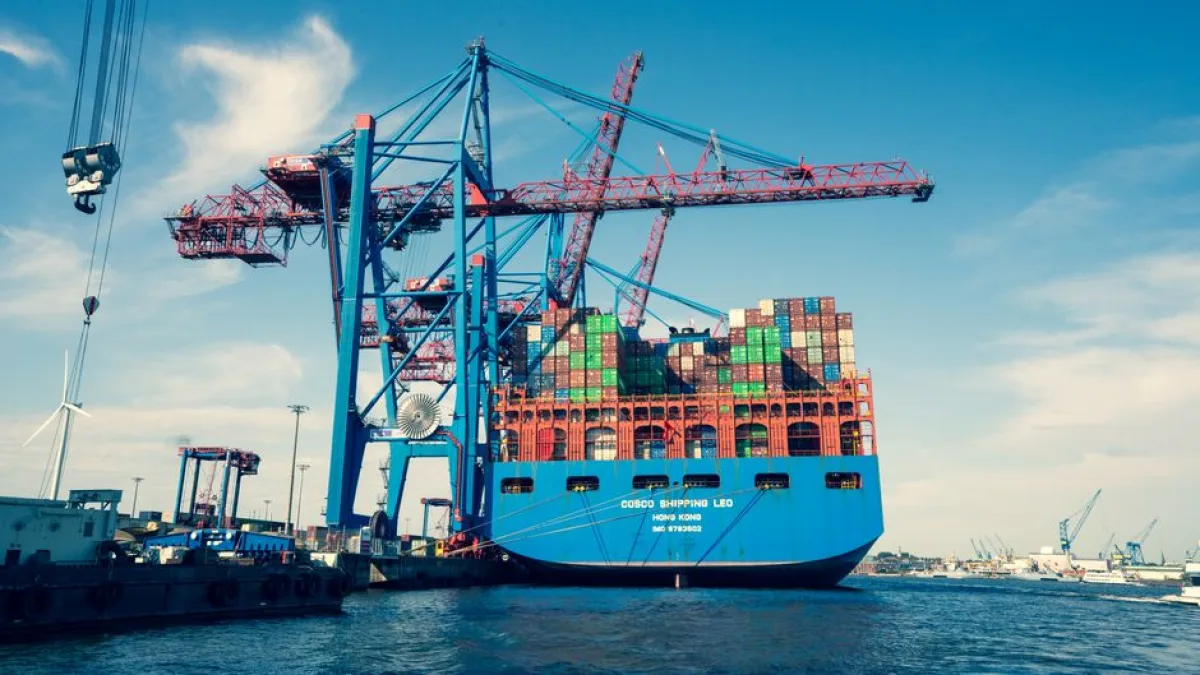
Client satisfaction relies heavily on the frequency and quality of information provided throughout the shipping cycle. Being proactive with communication builds lasting professional relationships and positions your agency as a reliable partner in a turbulent international marketplace environment.
- Proactive delay alerts: Notify clients about potential issues immediately upon detection, showing transparency and foresight that prevents frustration and helps them manage their own supply chain expectations effectively.
- Customized client dashboards: Provide your customers with private portals where they can view their own shipment progress without needing to contact your team for manual status updates.
- Automated milestone emails: Configure system settings to send periodic email updates to stakeholders at critical transit points, keeping them informed of progress without manual effort from staff.
- Transparency builds loyalty: Consistent delivery of accurate tracking data fosters long term loyalty, as clients feel confident that you have total control over the movement of their goods.
When you prioritize proactive communication, you transform your service from a commodity into a strategic partnership. Clients appreciate the honesty that comes with advanced tracking technology, especially when unexpected delays occur. By maintaining high standards of transparency, you demonstrate that your company manages risk effectively. This approach not only retains current business but also generates referrals from satisfied professional partners.
Future Trends in Cargo Monitoring

Technological innovation continues to push the boundaries of what is possible in logistics tracking and cargo management. Emerging systems promise even greater precision and deeper integration for forwarders looking to stay ahead in a rapidly changing digital trade environment.
- Internet of Things: Deploy smart sensors on containers to monitor temperature, humidity, and vibration levels in real time, ensuring the integrity of sensitive freight throughout the entire journey.
- Predictive analytics power: Use machine learning algorithms to forecast arrival times based on historical trends and current weather patterns, providing clients with superior accuracy for inventory planning.
- Blockchain for security: Implement secure ledger technology to verify shipment data and prevent fraud, creating an immutable record of all logistics activities for increased cross border confidence.
- Mobile app connectivity: Empower your field teams to capture updates directly from the port or warehouse via mobile applications that sync immediately with your central tracking software.
The integration of IoT and predictive intelligence represents the next frontier for professional freight forwarders. Investing in these sophisticated capabilities today ensures that your firm remains at the forefront of the industry. As competitors struggle with legacy systems, your adoption of these cutting edge solutions will solidify your status as a tech forward leader in the global shipping and logistics market.
Conclusion
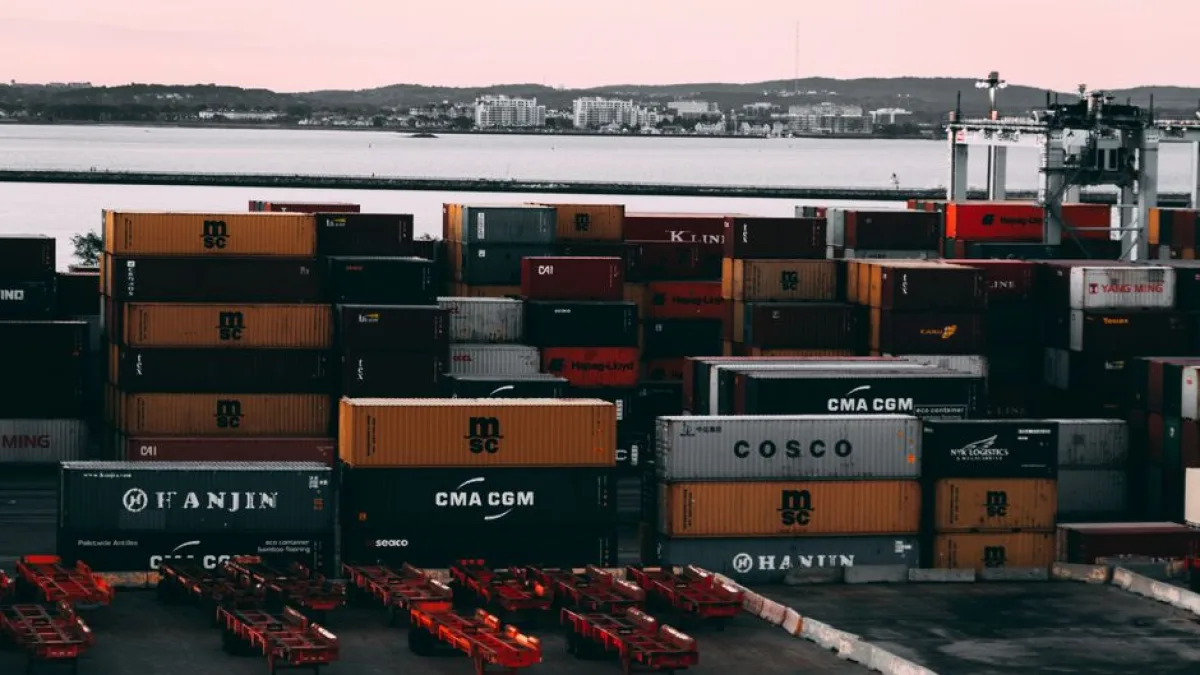
Mastering logistics tracking is essential for modern freight forwarders aiming to provide exceptional service in a global market. By leveraging cloud based software, maintaining proactive communication, and adopting emerging technologies, you can improve operational efficiency and strengthen client loyalty. Start optimizing your tracking capabilities today to stay ahead of the competition and deliver value that keeps your logistics business thriving for years.