Mastering Global Logistics Tracking for Freight Forwarders
Wednesday, July 29 2026
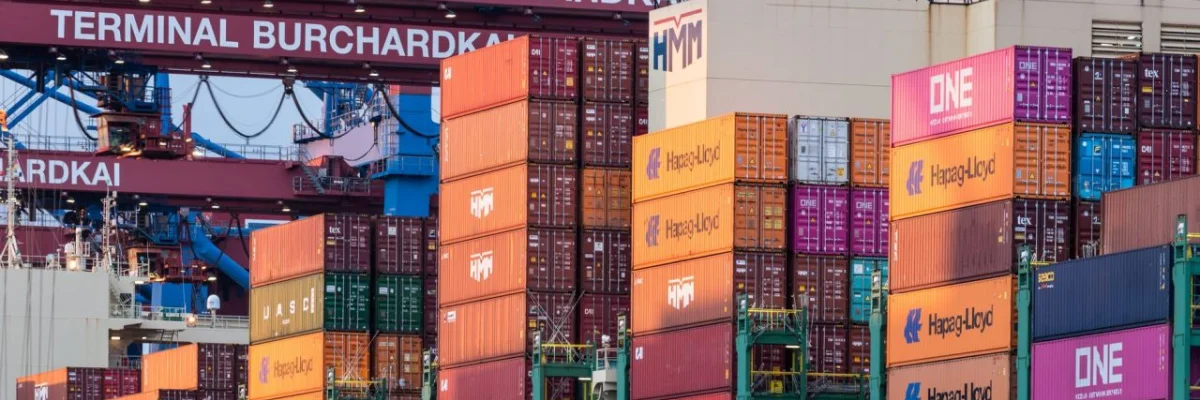
In the high-stakes world of international trade, the ability to track shipments with pinpoint precision has evolved from a competitive advantage into an operational necessity. As global supply chains grow increasingly complex, freight forwarders must transition away from manual tracking methods toward integrated digital platforms that offer real-time visibility. By leveraging cloud-based software, businesses can anticipate disruptions, communicate effectively with stakeholders, and maintain high service standards despite port congestion or transit delays. Mastering the art of logistics tracking not only enhances client satisfaction but also fosters long-term reliability and trust within a volatile global freight marketplace.
The Evolution of Visibility

Modern visibility tools provide forwarders with a comprehensive digital overview of every shipment currently in transit across various ocean and air routes. This technological transition minimizes the need for endless email threads and enables rapid responses to unexpected logistics challenges.
- Automated Data Streams: Integrate directly with carrier APIs to receive instant updates on vessel locations, departure times, and arrival schedules without performing manual data entry for every shipment file.
- Predictive Milestone Alerts: Configure proactive notifications that trigger whenever a shipment deviates from its planned path, allowing your operations team to troubleshoot issues before the client ever notices.
- Unified Communication Hubs: Centralize all tracking correspondence within a shared platform interface to ensure that every stakeholder views the exact same status information throughout the transit cycle duration.
- Dynamic Mapping Tools: Utilize visual mapping interfaces that display global traffic patterns, enabling your dispatchers to visualize potential bottlenecks at major port hubs around the world today.
Adopting these advanced visibility tools allows your team to move beyond reactive updates and into the realm of true proactive management. By streamlining how information flows through your organization, you reduce the administrative burden on your staff while providing clients with the transparency they demand. This foundational shift helps build stronger relationships and positions your freight forwarding business as a leader in digital excellence.
Optimizing Client Communication

Transparency serves as the cornerstone of effective client management, and high-quality tracking reports are the primary vehicle for delivering this transparency. Consistent updates build credibility and help clients plan their inventory management strategies with much greater confidence and accuracy.
- Customized Status Reports: Generate professional tracking reports that automatically include your company branding to provide clients with a polished view of their cargo progress through every segment.
- Client Portal Access: Grant your customers secure login credentials so they can check their own shipment statuses whenever they need, significantly reducing incoming volume for your support team.
- Automated Email Updates: Schedule regular status broadcasts that keep stakeholders informed at critical milestones like customs clearance or final port discharge without needing manual intervention from your agents.
- Historical Tracking Logs: Maintain a clear record of every movement and status change, which proves invaluable for performance analysis and addressing future client queries about past shipment history.
Empowering clients with direct access to tracking data is a strategic move that saves time and resources. When customers have the freedom to view their cargo progress independently, your support team can focus their energy on high-value tasks like solving complex logistics problems. This creates a superior experience that drives client retention and differentiates your services in a saturated freight market.
Data Integration and Efficiency
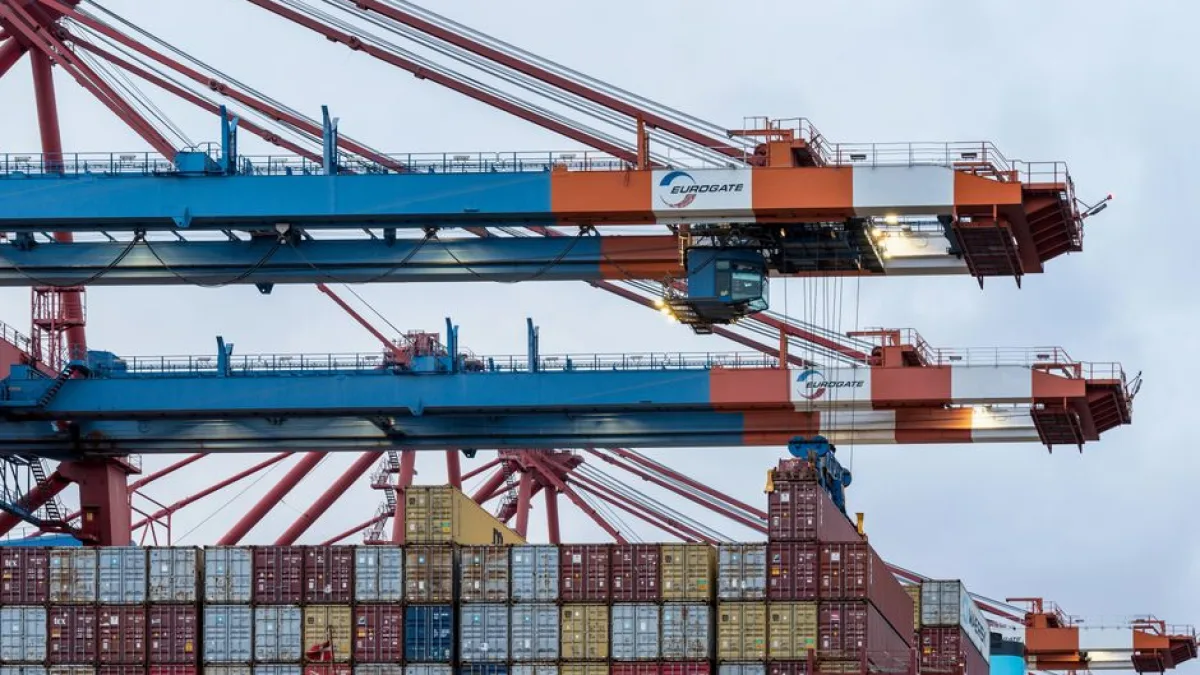
Seamless data integration acts as the engine driving modern freight logistics, ensuring that tracking information remains consistent across all business systems. By connecting your platform, you eliminate the risks associated with manual data silos and inconsistent cargo reporting.
- Platform API Connectivity: Sync your primary forwarding software with global tracking services to maintain a single version of truth for all ocean, air, and inland transit movements.
- Standardized Data Formatting: Ensure that all incoming tracking events follow a consistent format so that your operational reports remain clean, searchable, and easy for the team to interpret.
- Error Reduction Systems: Automate the ingestion of status events to remove the potential for human error that often occurs when manually updating logs during high-pressure shipping windows.
- Workflow Process Automation: Trigger follow-up tasks automatically based on specific tracking triggers, such as creating a billing invoice immediately upon receiving a confirmed port arrival notification message.
Effective data integration serves to unify your entire business infrastructure into one coherent, efficient machine. When your tracking data flows directly into your billing and accounting modules, you reduce processing times and improve cash flow visibility across the organization. This focus on automation represents the most effective way to scale your freight forwarding operations while maintaining high quality standards for your customers.
Mitigating Logistics Disruptions
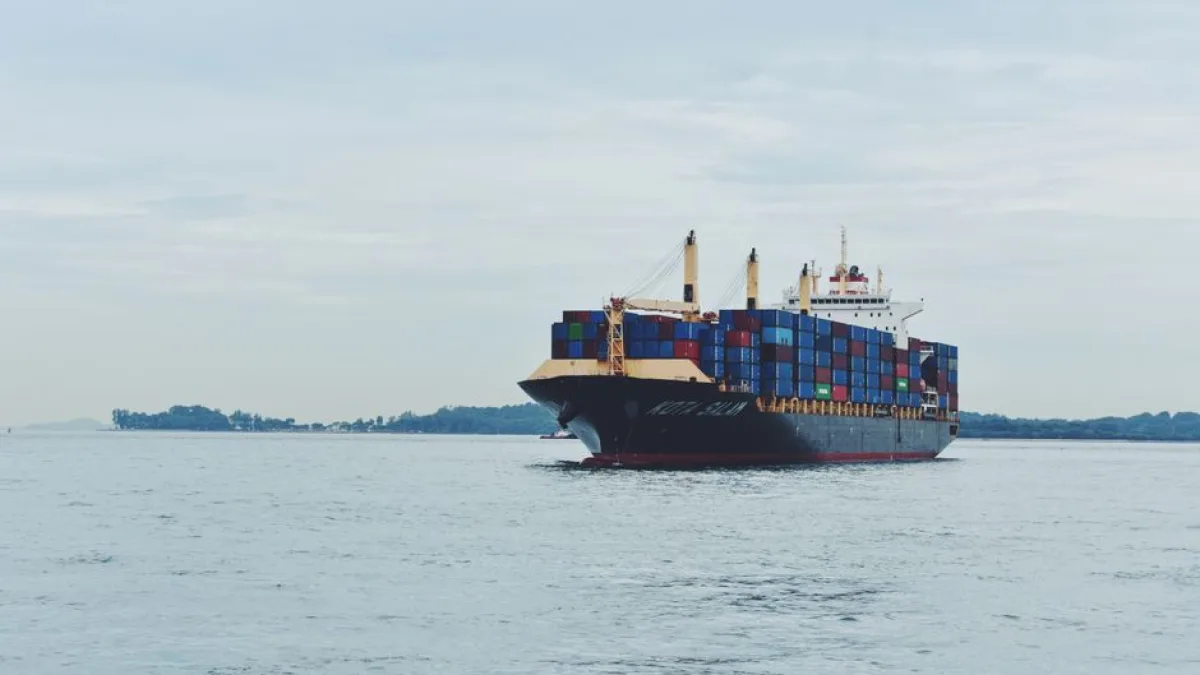
The reality of global trade includes inevitable delays caused by weather, port strikes, or equipment shortages. A robust tracking system acts as an early warning mechanism, helping you navigate these disruptions while protecting your clients from unnecessary stress or losses.
- Early Warning Systems: Detect signs of port congestion by monitoring historical turnaround times and current vessel congestion reports to adjust your routing plans well in advance of issues.
- Alternative Route Planning: Use tracking data to evaluate performance metrics across different carriers, which helps you select the most resilient shipping lines for high-priority client cargo shipments.
- Stakeholder Contingency Plans: Share timely updates about transit disruptions immediately to allow clients enough time to make inventory adjustments and manage their internal supply chain expectations effectively.
- Root Cause Analysis: Review historical tracking data to identify recurring delay patterns, enabling you to optimize your carrier selection and improve reliability for your clients over time.
While you cannot control global events that cause transit delays, you can control how your business prepares for and manages these situations. By using data to anticipate risks, you position yourself as a strategic partner who keeps business moving despite global volatility. This proactive approach turns potential customer frustrations into opportunities to demonstrate your company value and industry expertise to every client.
Conclusion
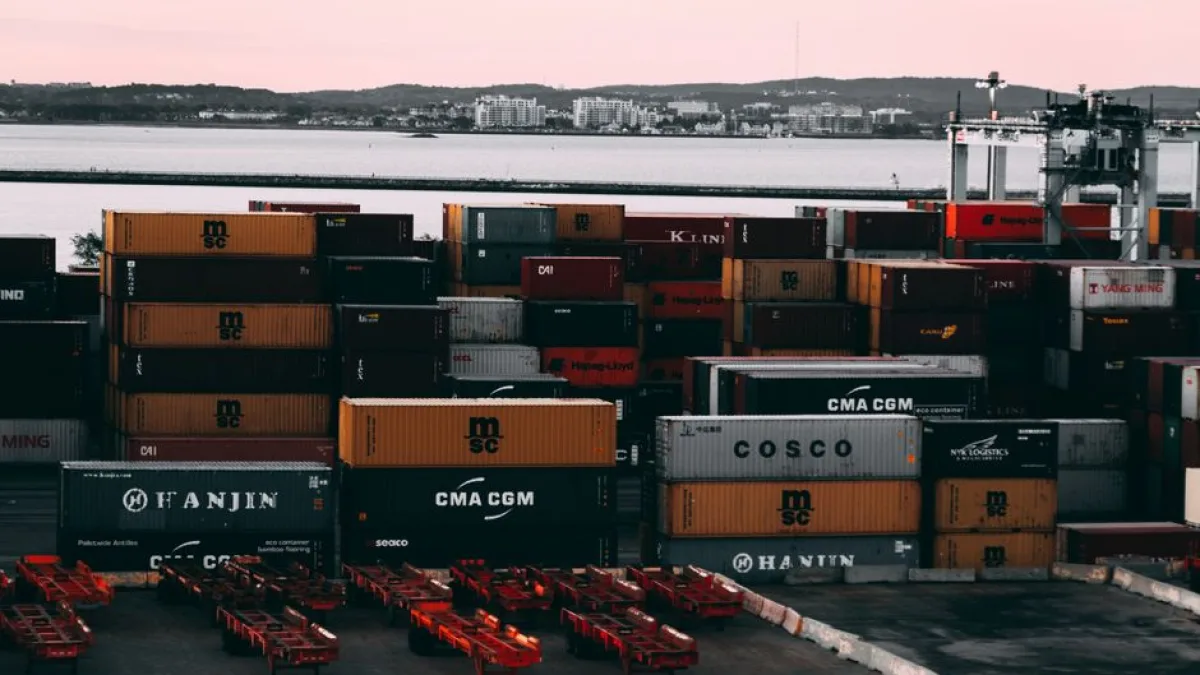
Staying ahead in freight forwarding requires a commitment to digital tracking tools that offer total visibility and operational efficiency. By streamlining your data processes and improving client communication, you set your agency apart in a crowded marketplace. Implement these strategies today to build a more resilient logistics business that delights your clients and scales effortlessly as your cargo volume continues to grow over time.