Mastering Global Logistics Tracking for Freight Forwarders
Tuesday, August 4 2026
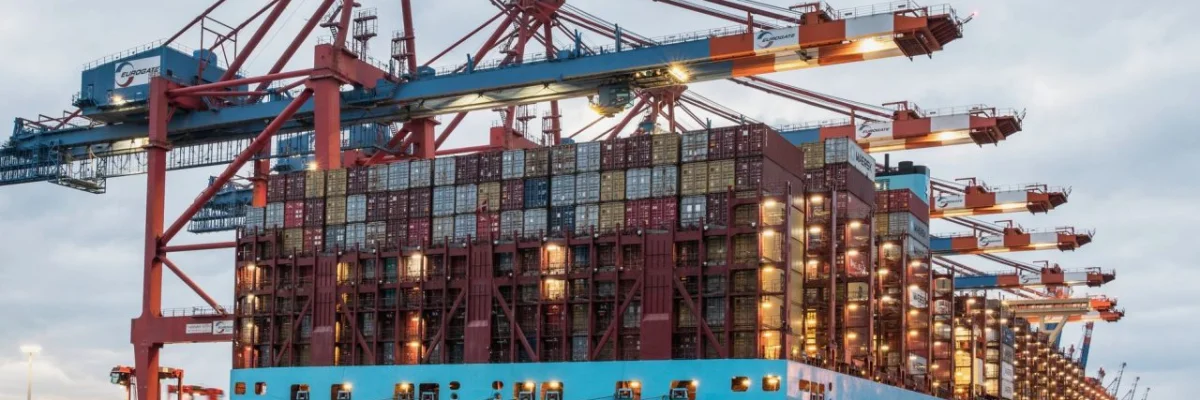
In the high-stakes world of international trade, the ability to provide real-time visibility is no longer an optional luxury but a fundamental requirement for success. Freight forwarders often struggle with fragmented data sources that hinder operational efficiency and damage client trust. As supply chains grow increasingly complex, adopting a centralized tracking strategy becomes essential for maintaining a competitive edge. By integrating advanced digital tools into your daily workflow, you can transform how you monitor cargo, reduce manual intervention, and deliver superior value to your shipping partners. Let us explore the core pillars of modern logistics tracking and optimization.
The Power of Real-Time Visibility
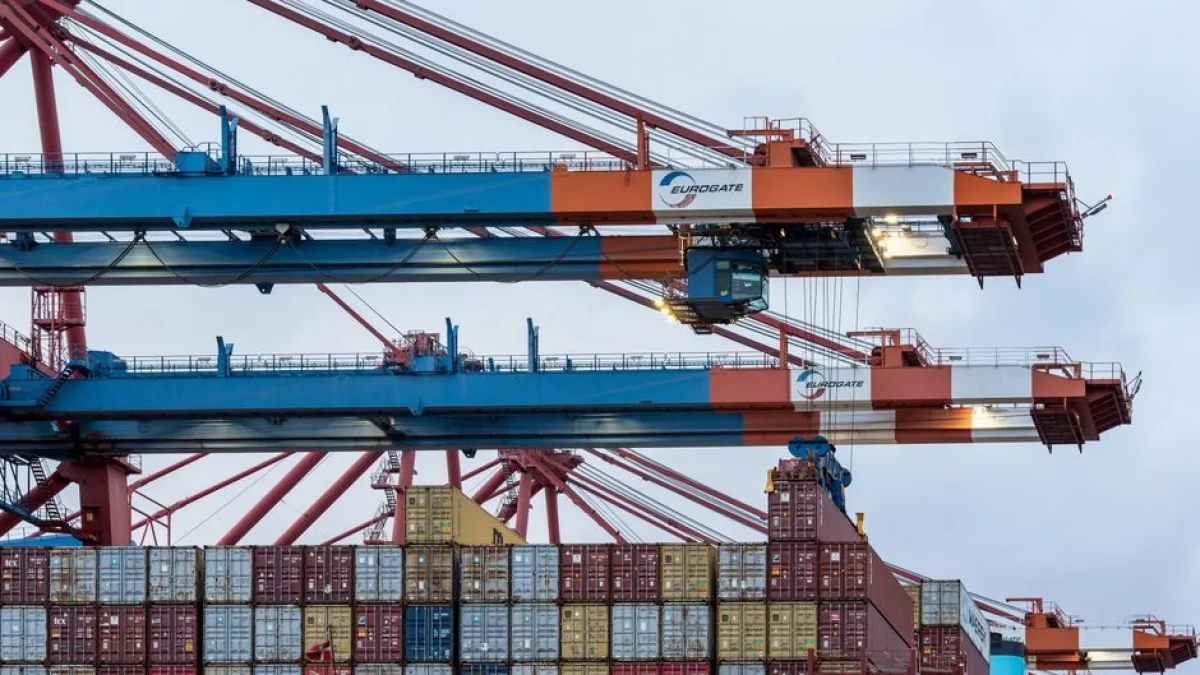
Real-time visibility acts as the central nervous system for your logistics operations, ensuring that every stakeholder remains informed. By utilizing cloud-based platforms, you can monitor shipments across multiple carriers without the need for constant phone calls or manual status updates.
- Centralized data dashboards: Consolidate information from various carriers into a single screen to eliminate data silos and ensure that your team always has access to the latest shipment updates.
- Automated status notifications: Send instant alerts to customers when cargo hits key milestones, which significantly reduces the administrative burden of answering repetitive emails regarding shipment progress and location.
- Enhanced carrier integration: Connect directly with global ocean and air carriers to pull precise status data, ensuring that your tracking information remains accurate throughout the entire transit process.
- Exception management alerts: Receive immediate notifications for unexpected delays or port congestion, allowing your operations team to take proactive measures before a minor issue becomes a costly failure.
Implementing these automated features allows your staff to shift their focus from manual data entry to higher value tasks like client relationship management. When visibility is transparent, clients feel more secure with their logistics partner, fostering long-term loyalty and repeat business. This shift is critical for forwarders who want to scale their operations while maintaining consistent service quality in an unpredictable global market.
Leveraging Predictive Analytics Tools
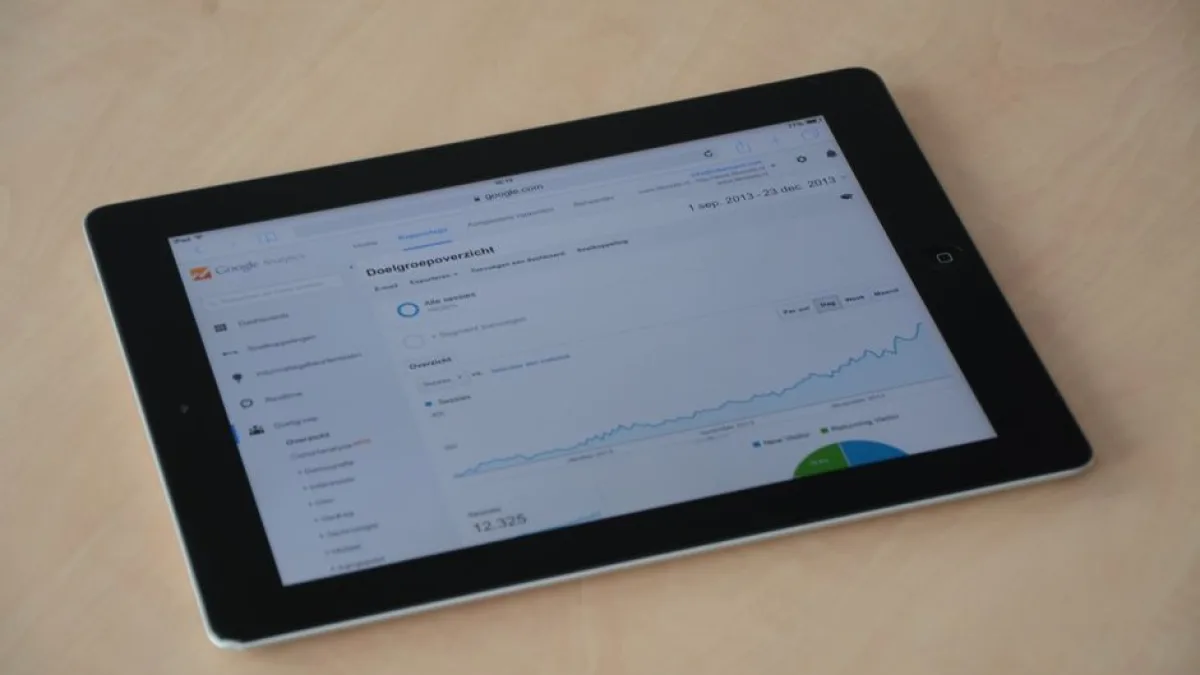
Predictive analytics enables forwarders to anticipate potential bottlenecks by analyzing historical data and current transit patterns. Instead of merely reacting to events, you can forecast arrivals with higher precision and help your clients optimize their inventory management strategies effectively.
- Historical performance analysis: Evaluate the past reliability of different carriers on specific routes to make informed decisions that minimize transit times and reduce the risk of delays.
- Transit time forecasting: Utilize sophisticated machine learning algorithms to predict arrival dates based on current vessel speeds, weather patterns, and historical performance metrics at various destination ports.
- Risk mitigation strategies: Identify recurring patterns of congestion at specific terminals, allowing you to suggest alternative routing options to your clients well before the cargo is loaded.
- Data driven decisioning: Transform raw shipment data into actionable insights that guide your strategic planning, ensuring your company remains resilient against shifting global trade dynamics and conditions.
By shifting from a reactive approach to a predictive one, you demonstrate significant professional expertise. Clients value partners who provide foresight, as it helps them manage their supply chain risks more efficiently. Using these tools gives you a distinct advantage, turning complex logistical data into a strategic asset that keeps your clients ahead of their competition while improving your overall operational margins.
Streamlining Communication Through Automation

Efficient communication is the backbone of successful freight forwarding, yet it is often the most time-consuming element of the job. By automating standard update processes, you ensure that information flows seamlessly between your internal team, your logistics partners, and your end customers.
- Automated client portals: Provide a secure digital space where your customers can log in to view the status of their cargo, documentation, and history without contacting your office.
- Customized reporting tools: Generate automated weekly reports that provide your clients with a clear overview of their shipping activity, performance metrics, and pending tasks in one document.
- Internal task coordination: Assign follow up tasks to your logistics coordinators automatically whenever a shipment status changes, ensuring that nothing falls through the cracks during transit.
- Multi-channel update delivery: Sync your tracking system with email, SMS, or mobile applications to ensure that stakeholders receive updates through their preferred communication medium at any time.
Automation does not mean losing the human touch but rather enhancing it by removing mundane administrative work from your team. With clear communication channels in place, you minimize the risk of misinterpretation or missed updates. This creates a professional environment where transparency is the standard, allowing your employees to focus on delivering high-touch service that builds trust and strengthens your reputation in the market.
Integrating Systems for Seamless Data

Integration is the final step in creating a fully synchronized logistics ecosystem. Connecting your freight management software with accounting and customs systems ensures that every piece of data is accurate, compliant, and accessible for everyone across your global company network.
- Customs compliance integration: Link your tracking data directly with customs filing systems to ensure that documentation is prepared accurately and submitted on time for every shipment.
- Financial software synchronization: Update your accounting system automatically when shipments reach specific milestones, which facilitates faster invoicing and improves the cash flow cycle for your business.
- Third party API connections: Utilize flexible API connections to pull data from warehouse management systems, providing end-to-end visibility from the factory floor to the final point of delivery.
- Scalable cloud architecture: Ensure that your tech stack grows with your company, allowing you to add new partners or services without rebuilding your entire digital infrastructure system.
A unified system eliminates the need for manual reconciliation between disconnected software platforms, significantly reducing the potential for human error. When your tracking, billing, and customs systems talk to each other, you save time and improve data integrity. This seamless flow of information is what separates market-leading forwarders from their peers, creating a stable foundation for growth and operational excellence in logistics.
Conclusion
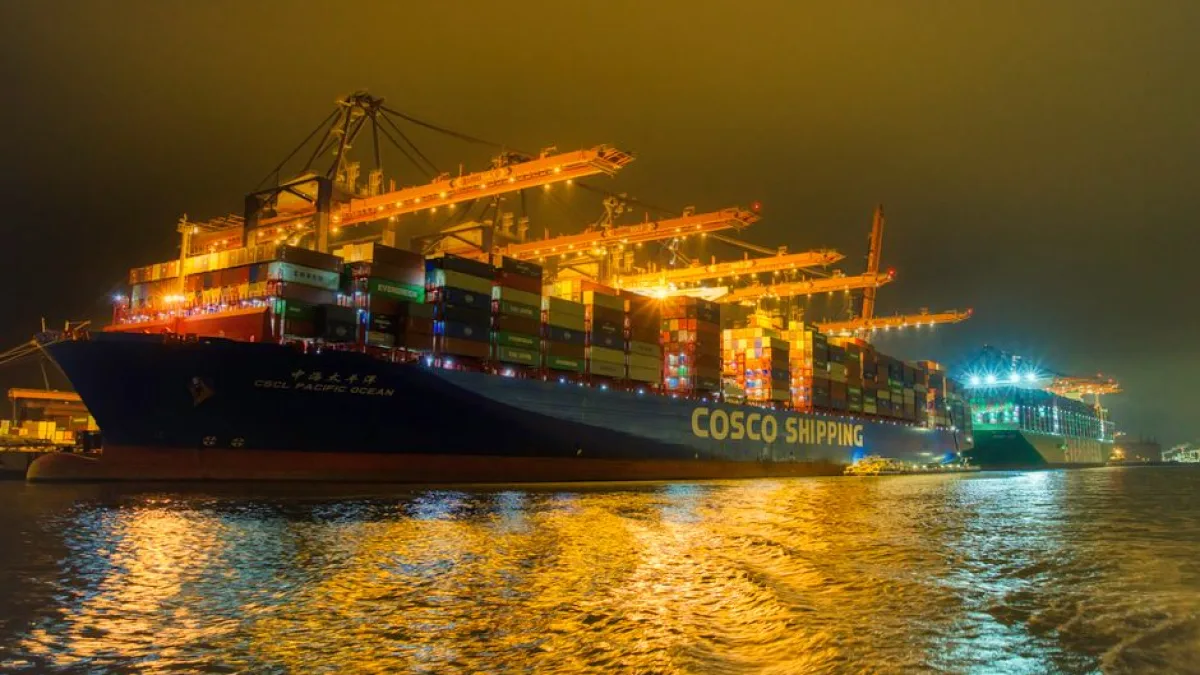
Mastering modern shipping and tracking tools is the key to thriving in today's competitive freight environment. By focusing on visibility, predictive analytics, communication, and system integration, you can provide superior service while lowering your internal costs. Start modernizing your operations today to build a resilient and efficient logistics business. Your commitment to adopting these digital solutions will surely drive long-term success for your forwarder.