Mastering Global Logistics Tracking for Freight Forwarders
Wednesday, August 5 2026

In the modern logistics landscape, freight forwarding professionals face increasing pressure to provide real-time visibility to their clients. As global supply chains become more complex, the ability to track shipments accurately and proactively manage exceptions is no longer a luxury but a fundamental necessity. Effective tracking systems empower forwarders to reduce manual labor, minimize communication bottlenecks, and foster trust with shippers. By leveraging cloud-based platforms and integrated data feeds, companies can transform their operational efficiency. This article explores how advanced tracking solutions are reshaping the industry and enabling teams to navigate the challenges of contemporary maritime and ground transportation with confidence.
Optimizing Real-Time Visibility
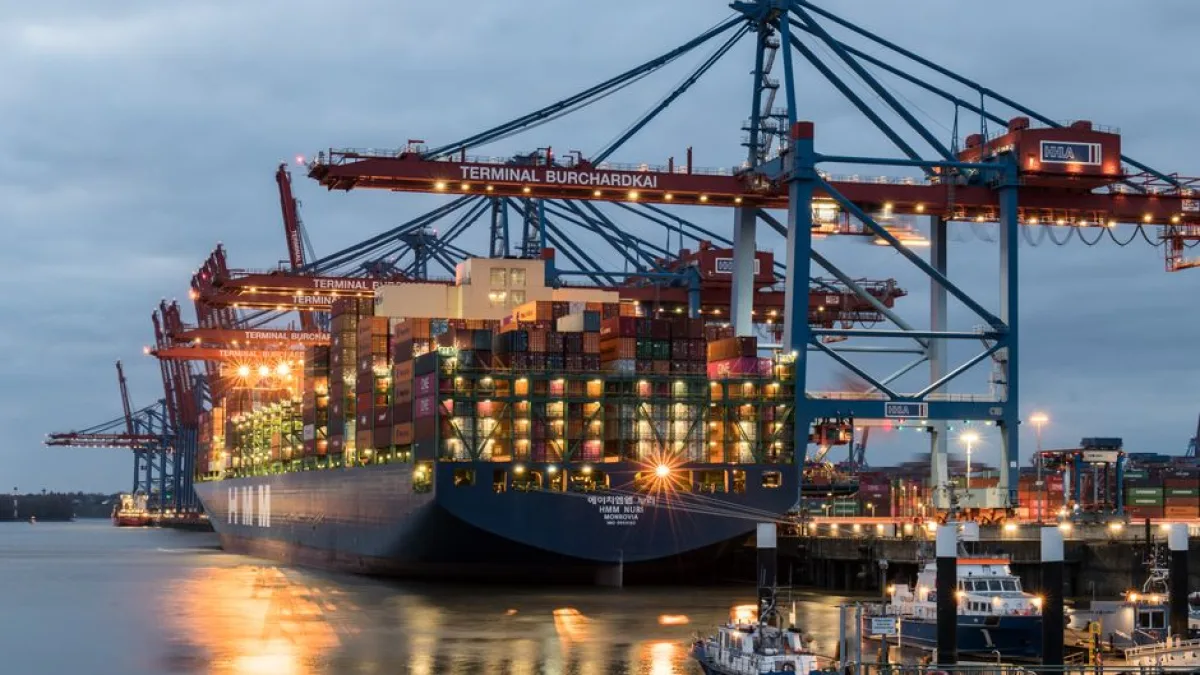
Achieving total transparency across the supply chain requires robust technology that bridges the gap between fragmented data sources. By centralizing tracking information, forwarders can respond to inquiries instantly without navigating multiple carrier websites or waiting for email updates from local agents.
- Automated status updates: Proactive notifications ensure that logistics coordinators receive immediate alerts regarding shipment milestones, allowing for faster decision making when departures are delayed or arrival times change significantly.
- Centralized data dashboard: Consolidating tracking data from diverse ocean and air carriers into a single unified interface reduces the time spent switching between multiple software platforms or spreadsheets.
- Enhanced client portals: Providing customers with secure access to live shipment data increases transparency and decreases the volume of status inquiry emails sent to your operations team.
- Historical data analysis: Tracking patterns over time helps identify recurring bottlenecks at specific ports or with certain carriers, enabling smarter route planning and long-term vendor performance assessments.
Implementing these visibility solutions directly improves your competitive standing in the global market. Clients value speed and accuracy above all else, and by providing a seamless flow of information, you demonstrate reliability. When tracking becomes automated and data is easily accessible, your team spends less time hunting for information and more time solving complex logistics problems that actually require your expertise and local market knowledge.
Managing Transportation Exceptions
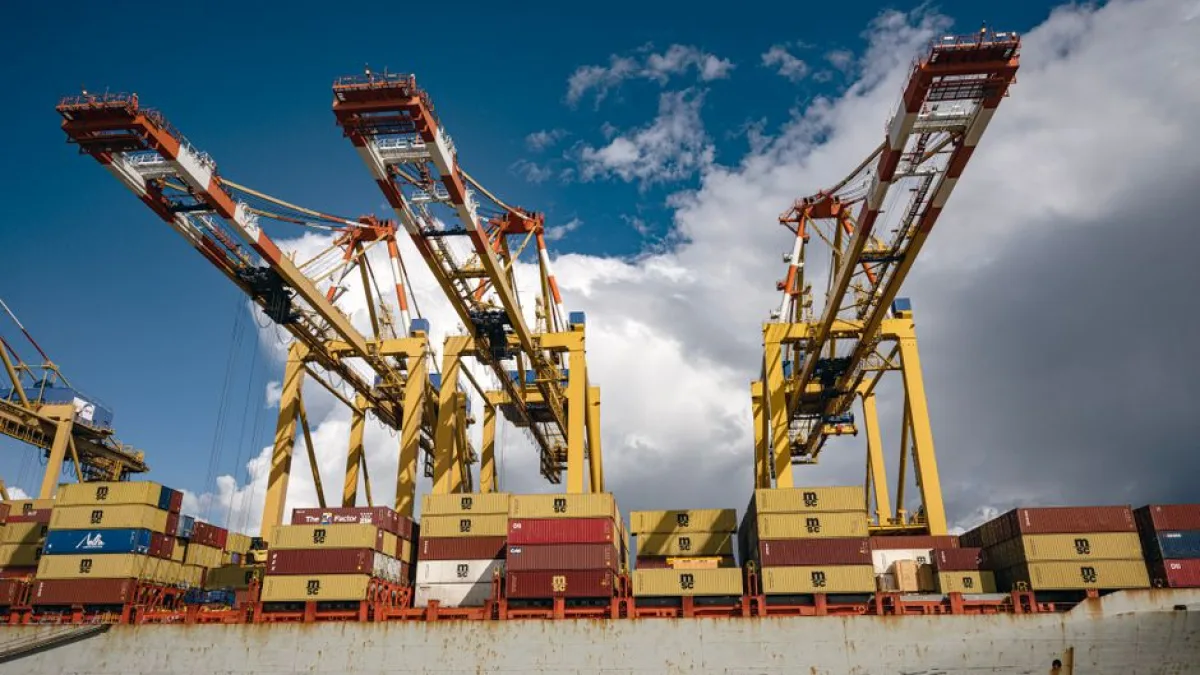
Every shipment faces potential disruptions, from port congestion to unforeseen weather events. Managing these exceptions effectively requires a system that highlights anomalies instantly, giving forwarders the necessary time to reroute cargo or inform clients before the situation escalates into a crisis.
- Early alert systems: Advanced algorithms detect variances in scheduled transit times, notifying your team about potential delays before they impact the final delivery deadline for the end customer.
- Integrated communication tools: Connecting tracking systems directly with internal messaging platforms ensures that all stakeholders remain informed about resolution steps taken to address specific transportation incidents or cargo holds.
- Dynamic route adjustment: Access to real-time data allows logistics planners to pivot quickly by booking alternative transportation modes when primary routes become blocked due to strikes or weather.
- Automated client notifications: Setting up custom triggers ensures that your customers are alerted to delays automatically, maintaining your reputation for transparency even when unforeseen events occur during transit.
By shifting your approach from reactive to proactive, you gain a significant advantage in handling supply chain volatility. Exception management is the true test of a modern freight forwarder. When technology handles the heavy lifting of identifying disruptions, your staff can focus on the human side of logistics, such as negotiating solutions and ensuring that cargo eventually arrives at the correct destination.
Integrating Freight Management Software

Modern cloud software serves as the backbone of efficient freight forwarding operations by connecting various stages of the shipping lifecycle. Integration is the final piece of the puzzle that links tracking data with document generation, customs compliance, and final financial billing processes.
- Seamless data flow: Connecting your tracking engine with your accounting software ensures that invoices are generated immediately upon arrival confirmation, significantly accelerating your overall cash flow and revenue cycles.
- Unified user experience: A single platform that integrates tracking, documentation, and communication reduces training time for new employees and limits the risk of data entry errors.
- Customizable reporting tools: Extracting meaningful insights from your logistics software allows you to generate performance reports for your clients, highlighting your efficiency and dedication to reliable service delivery.
- Scalable cloud infrastructure: As your logistics business grows, a flexible software platform adapts to handle higher volumes of shipments without compromising on data security or system stability.
Centralizing your operations through integrated software allows for better collaboration between departments. When sales, operations, and accounting departments all access the same source of truth, internal friction decreases dramatically. This synergy allows your company to handle complex international movements with ease, ensuring that every shipment is handled according to strict operational standards while simultaneously reducing the overhead associated with maintaining disparate, legacy systems.
Building Lasting Customer Trust

Reliable tracking is the foundation upon which strong client relationships are built. When shippers can rely on your data, they feel empowered to make better decisions for their own businesses, which strengthens your partnership and encourages long-term retention in a crowded market.
- Consistent service quality: Providing reliable tracking data every time establishes a standard of professionalism that encourages repeat business from your most valued and high-volume logistics shipping customers.
- Improved partner transparency: Open communication regarding transit progress demonstrates honesty, which is a rare and highly prized trait in the fast-paced world of international cargo and logistics.
- Enhanced collaborative planning: Shared access to shipment visibility allows for better inventory planning between you and your customers, leading to leaner supply chains and fewer storage costs.
- Competitive market differentiation: Offering superior tracking capabilities provides a clear selling point that sets your forwarding firm apart from competitors who still rely on manual, outdated update methods.
Investing in your tracking capabilities is ultimately an investment in your company brand and long-term sustainability. Clients will stick with partners who save them time and reduce their operational anxiety. By prioritizing clarity and speed in your digital communications, you ensure that your freight forwarding business remains the preferred choice for shippers who demand excellence and precision in every single global trade movement.
Conclusion

Mastering shipping and tracking is essential for modern freight forwarders to thrive. By utilizing cloud-based software, centralizing data, and embracing proactive exception management, you can enhance operational efficiency and improve customer satisfaction. Adopting these advanced tools secures your position as a reliable partner in the global supply chain. Start upgrading your logistics systems today to drive your business performance to new heights.