Mastering Global Logistics Tracking for Modern Freight Forwarders
Sunday, August 9 2026
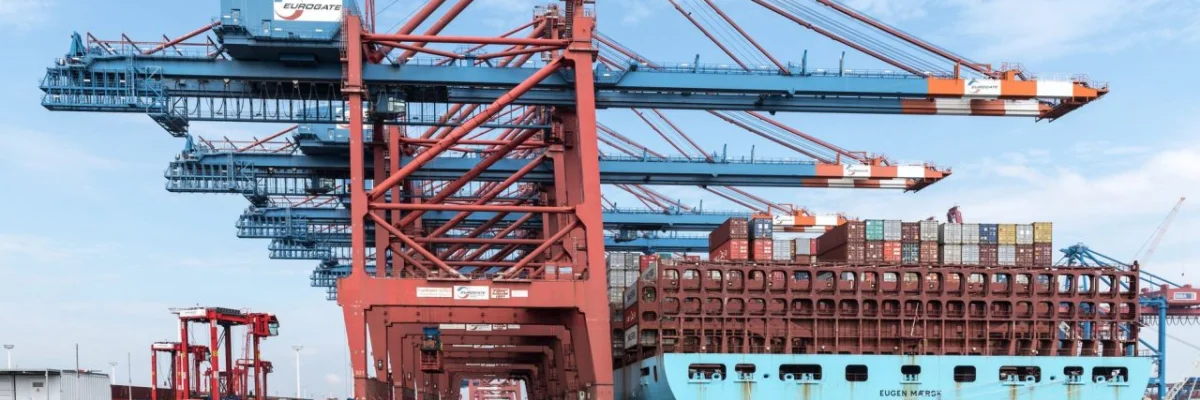
In the fast-paced world of international trade, the ability to provide real-time visibility is the primary differentiator between successful freight forwarders and their competitors. As supply chains become increasingly complex, clients demand instant updates regarding their cargo status, from the moment of pickup to the final delivery at the warehouse. Implementing robust tracking protocols not only improves operational efficiency but also strengthens client trust and retention. By leveraging cloud-based platforms to consolidate data streams, forwarders can mitigate risks, manage exceptions proactively, and provide the transparency that global shippers expect in today's interconnected digital marketplace.
Optimizing Shipment Visibility
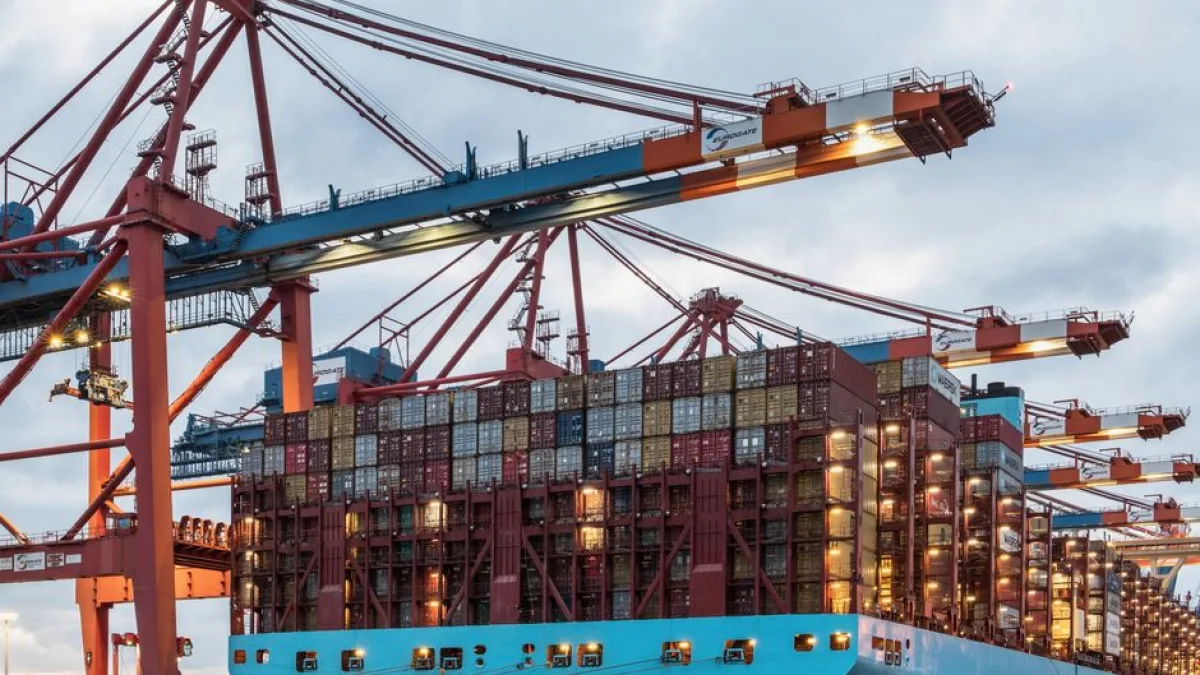
High-resolution visibility starts with data integration across all transit legs. By syncing tracking updates directly from carriers into your management software, you eliminate manual entry errors. This approach empowers your team to monitor global movements without constant phone calls or emails.
- Unified Data Streams: Centralizing information from various ocean and air carriers into one dashboard allows your team to access status updates instantly without checking multiple external shipping portals.
- Automated Status Alerts: Proactive notifications ensure that your clients receive timely updates on any changes or delays, which significantly reduces the volume of repetitive status inquiry requests.
- Carrier API Integration: Connecting directly to global logistics networks provides deeper insights into vessel locations and terminal movements, ensuring your data remains accurate throughout the transit process.
- Improved Exception Management: Advanced tracking tools flag potential delays early, giving your operations team the necessary lead time to reroute shipments and avoid costly supply chain bottlenecks.
Achieving total visibility transforms your business model from reactive to proactive. When you provide clients with reliable data, you reduce their anxiety and improve your own internal workflow efficiency. This level of transparency creates a distinct market advantage that fosters long-term partnerships. As you scale, rely on digital tools that grow with you to maintain consistent oversight across all active shipments.
Managing Transit Exceptions
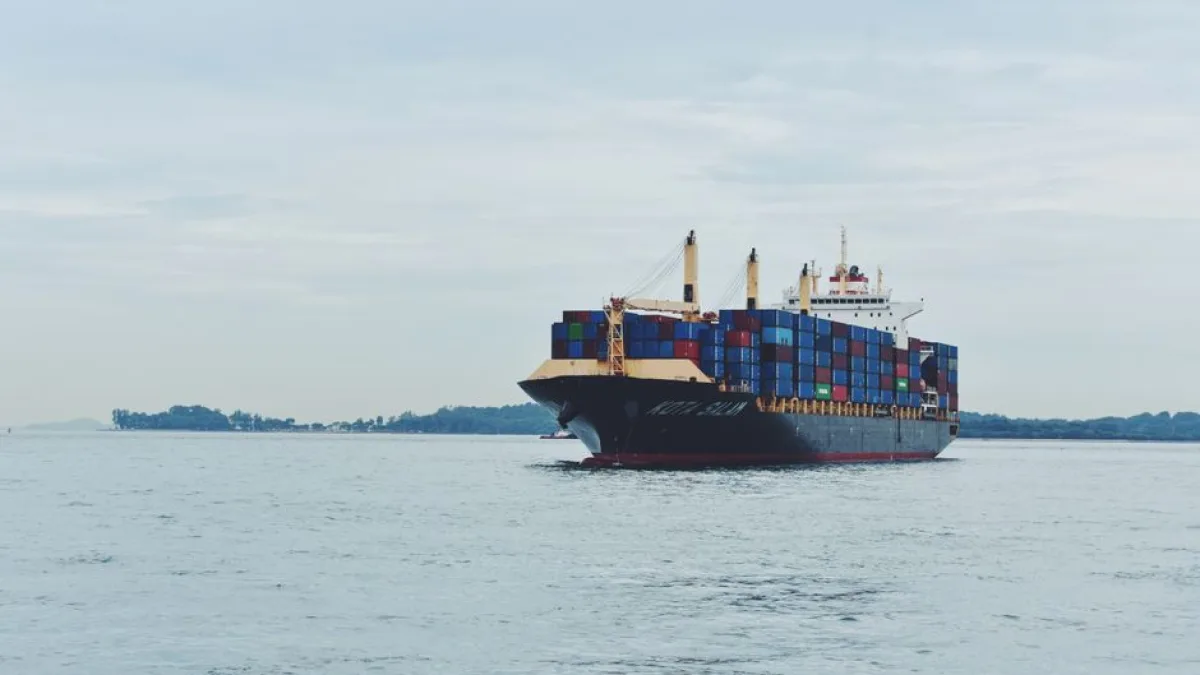
Disruptions are inevitable in global logistics. When weather, port congestion, or mechanical issues occur, having a clear view of your active inventory is vital. Quickly identifying impacted shipments allows for immediate communication with stakeholders to prevent costly downstream impacts.
- Real-time Delay Alerts: Receiving instant notifications about berth delays or route changes helps you prepare contingency plans before the cargo arrives at a congested port or terminal.
- Dynamic Rerouting Options: Access to alternative shipping lanes or carrier services enables you to quickly adjust your transport strategy based on current real-world conditions and data.
- Proactive Client Communication: Sharing honest updates about potential arrival variances builds credibility and demonstrates that your agency is monitoring every stage of the journey with precision.
- Historical Data Analysis: Reviewing past disruption trends helps you predict future risks, allowing you to suggest more resilient shipping schedules to your clients during peak seasons.
Handling exceptions effectively is a core competency for modern forwarders. By maintaining clear records of every delay, you can offer data-backed advice to customers, helping them choose safer routes next time. This level of professional service converts stressful transit incidents into opportunities to showcase your problem-solving capabilities. Your ability to navigate unexpected turbulence ultimately defines your reputation as a reliable logistics partner.
Automating Client Notifications

Manual reporting is a relic of the past that wastes precious time. Modern automation allows you to trigger personalized status reports at specific milestones, keeping your customers informed around the clock without manual intervention from your logistics coordinators or agents.
- Customizable Notification Rules: Tailor the frequency and type of updates each client receives, ensuring that stakeholders only get relevant information according to their unique business requirements.
- Branded Tracking Portals: Directing clients to your own professional tracking page reinforces your brand identity while providing a seamless self-service experience that reduces manual support demands.
- Document Access Integration: Providing instant access to electronic bills of lading and arrival notices alongside tracking updates saves hours of administrative overhead and email searching.
- Multi-channel Delivery Options: Offering updates through email, SMS, or mobile application alerts ensures that stakeholders remain informed even when they are away from their office desks.
Automated systems save significant labor hours that can be reinvested into higher-value activities like sales and customer relationship management. By streamlining how you share information, you create a seamless experience that encourages client loyalty. As customers gain control over their shipping data, their satisfaction levels climb, leading to higher retention rates and a stronger, more efficient freight forwarding operation.
Scaling Digital Freight Operations

Growth requires scalable processes that do not rely on endless spreadsheets. As your volume of shipments increases, investing in a robust digital infrastructure becomes mandatory to maintain high performance standards without drastically increasing your headcount or operational expenses over time.
- Scalable Cloud Infrastructure: Cloud-based platforms handle increasing data volumes with ease, ensuring your tracking capabilities remain fast and reliable regardless of how many shipments you process.
- Seamless Team Collaboration: Shared digital workbenches allow dispersed teams to view the same tracking information simultaneously, which minimizes miscommunication and accelerates the entire global shipping process.
- Data-driven Performance Metrics: Collecting analytics on transit times helps you evaluate carrier performance and negotiate better rates based on actual evidence rather than mere estimates.
- Security and Data Integrity: Modern software protects your sensitive client shipping data with industry-standard encryption, maintaining compliance and safety during every digital interaction and transit event.
Scaling your freight forwarding business requires a solid digital foundation that simplifies complexity. By focusing on efficient tracking and automated workflows, you prepare your firm for future growth without compromising service quality. Embrace the power of integrated software to manage your logistics ecosystem more effectively than ever before. Consistent improvement in your tracking processes is the engine that drives your company forward.
Conclusion

Mastering the art of shipping and tracking requires a combination of technology and strategic oversight. By implementing these digital practices, you ensure that every shipment remains visible, manageable, and efficient. Use these insights to refine your internal processes and provide the world-class service your clients deserve. Start upgrading your logistics toolkit today to stay competitive in the rapidly evolving global trade landscape.