Mastering Global Logistics Tracking for Modern Freight Forwarders
Tuesday, August 11 2026
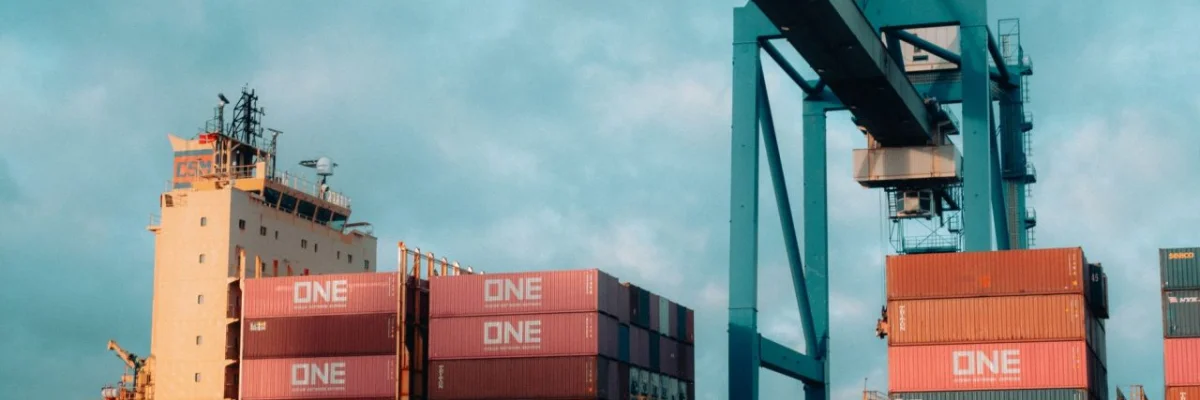
In the modern logistics landscape, the ability to provide real-time visibility is no longer a luxury but a fundamental requirement for freight forwarders. As global supply chains grow increasingly complex, clients demand instant updates regarding their shipments to manage inventory effectively and mitigate potential disruptions. Leveraging advanced digital tools allows forwarders to move beyond manual processes, reducing communication gaps and operational overhead. By integrating robust tracking software, companies can offer unmatched transparency, improve customer satisfaction, and build long-term trust in a competitive market where precision and speed determine the success of every delivery mission.
Optimizing Shipment Visibility
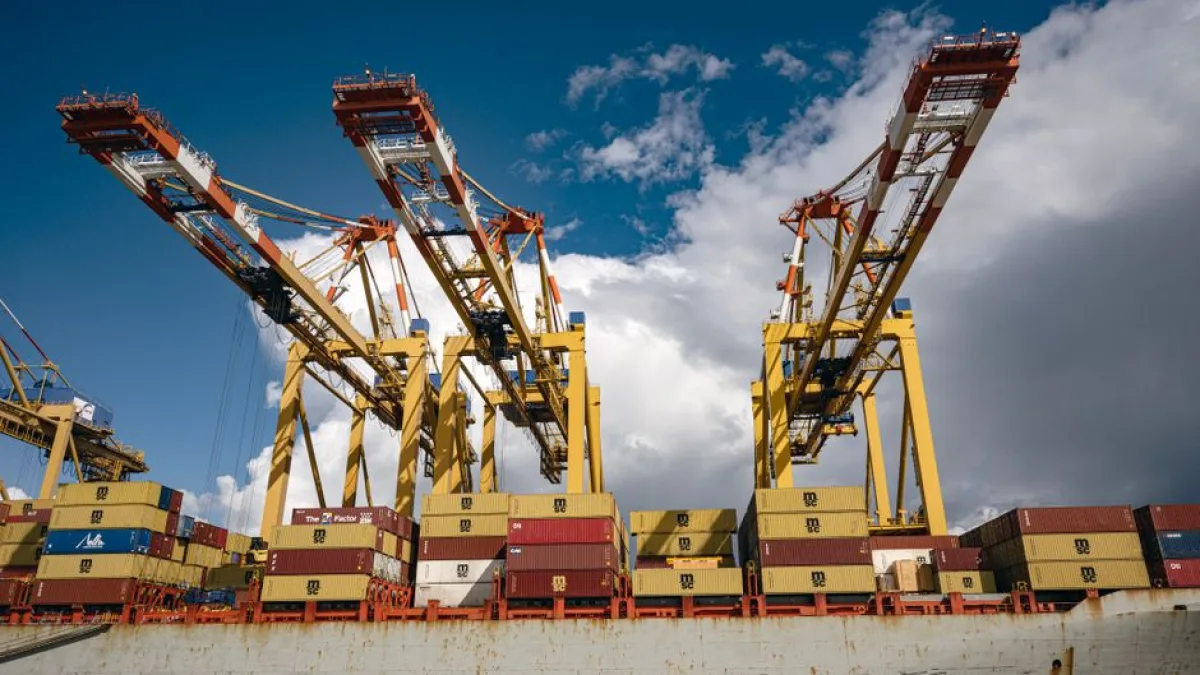
High-quality visibility begins at the port where every container move must be accounted for within your digital ecosystem to keep all stakeholders informed during the critical early stages of the international shipping journey for your high-value cargo loads.
- Real-time status updates: Automated tracking systems provide immediate notifications when containers reach key milestones, ensuring your team proactively manages potential delays before they impact your client supply chain operations.
- Data integration benefits: Connecting your dashboard with major carrier APIs minimizes manual data entry errors while ensuring that every shipment movement is reflected accurately across your entire network.
- Client portal access: Empowering customers to view their shipment status independently reduces incoming inquiry volume and allows your support staff to focus on more complex logistical challenges.
- Exception management tools: Advanced analytics help identify bottlenecks at transshipment points, allowing you to re-route cargo dynamically and maintain the promised delivery schedule despite unforeseen port congestion events.
- Reporting capabilities: Generating detailed performance reports helps you identify carrier reliability trends, allowing for data-driven decisions when selecting shipping lines for your most critical global routes.
Adopting these visibility practices transforms your operations from reactive to proactive. By providing your clients with a transparent window into their supply chain, you significantly reduce the friction associated with manual status requests. This shift not only builds lasting professional relationships but also positions your firm as a technology-first leader in the global freight forwarding industry, ready to tackle any future logistical challenge.
Leveraging Automated Notifications

Automated alerts turn passive tracking into an active communication strategy by keeping all project managers and warehouse operators updated on incoming freight without requiring them to search through endless spreadsheets or individual carrier websites for specific updates.
- Customized event triggers: Configure personalized notification thresholds to ensure that your team only receives alerts for significant milestones that actually require human intervention or immediate administrative action.
- Multi-channel delivery: Distribute automated status reports via email, SMS, or integrated chat platforms to ensure that stakeholders remain informed regardless of their preferred device or location.
- Enhanced operational efficiency: Automation eliminates the need for manual check-ins, allowing your logistics staff to dedicate their time to strategic planning instead of repetitive data tracking tasks.
- Proactive delay mitigation: Receive instant warnings regarding vessel schedule changes, which allows you to communicate updates to consignees earlier than competitors can, improving the overall service experience.
- Audit trail history: Every automated notification is logged in the system, creating a permanent, transparent record of communication that is invaluable for dispute resolution and internal reporting.
Automation is the heartbeat of a modern freight forwarding business, as it removes the uncertainty that plagues manual shipment monitoring. By setting up intelligent triggers, you ensure that every participant in the shipping process remains aligned. This level of reliability encourages repeat business, as clients feel confident that their freight is being monitored by a system that never sleeps or misses.
Synchronizing Data Across Carriers

Synchronizing data across diverse global carriers is essential to maintain a single source of truth for your freight operations, helping to eliminate discrepancies and ensure that every shipment status remains consistent throughout the entire transit process.
- Carrier API standardization: Use software that normalizes data from various shipping lines into a unified format, making it easier to compare performance and track different containers simultaneously.
- Unified control tower: Consolidate tracking data into a centralized platform to gain a comprehensive overview of your active shipments, regardless of which vessel or carrier is responsible.
- Error reduction measures: Eliminate the risks associated with manual spreadsheet updates by ensuring that your tracking software receives direct, verified data feeds from all your carrier partners.
- Improved partner collaboration: Sharing synchronized data with drayage providers and customs brokers ensures that everyone is working from the same information, which prevents costly communication-related shipment delays.
- Long term scalability: A standardized data approach allows your company to add new carriers and trade routes to your portfolio without requiring significant upgrades to your tracking infrastructure.
Achieving data synchronization may seem daunting, but it is necessary for maintaining a professional standard in a digital-first world. By creating a unified view of your shipping operations, you minimize the risk of missing critical updates or misinterpreting vessel schedules. This structural integrity allows your team to handle larger shipment volumes with ease while maintaining high accuracy and exceptional service standards daily.
Scaling Through Digital Infrastructure

Investing in scalable digital infrastructure allows freight forwarders to handle exponential growth without sacrificing the quality of their tracking services or the personalized attention that their clients have come to expect from your professional logistics team.
- Cloud-based accessibility: Enable your team to access critical shipment data from any location, which is vital for maintaining operations in a flexible, modern, and increasingly global workforce.
- API-driven system agility: Utilize flexible software architectures that allow for rapid integration with emerging logistics technologies, keeping your firm at the forefront of the industry innovation cycle.
- Secure data hosting: Protect your sensitive shipment information and client data using enterprise-grade security protocols that ensure compliance with international regulations and company privacy standards always.
- Performance analytics tools: Monitor your firm output through data-driven insights to find new ways to improve internal processes and increase your profitability on every individual shipment.
- Seamless software updates: Cloud platforms provide automatic feature enhancements, ensuring that your tools are always current without requiring manual installations or downtime for your busy logistics team.
Scaling your business requires a strong digital foundation that supports both your current operations and your future growth ambitions. By choosing a robust freight forwarding platform, you ensure that your technology grows alongside your volume. This strategic approach to infrastructure allows you to focus on expanding your market reach while feeling confident that your tracking systems are prepared for any future demand.
Conclusion
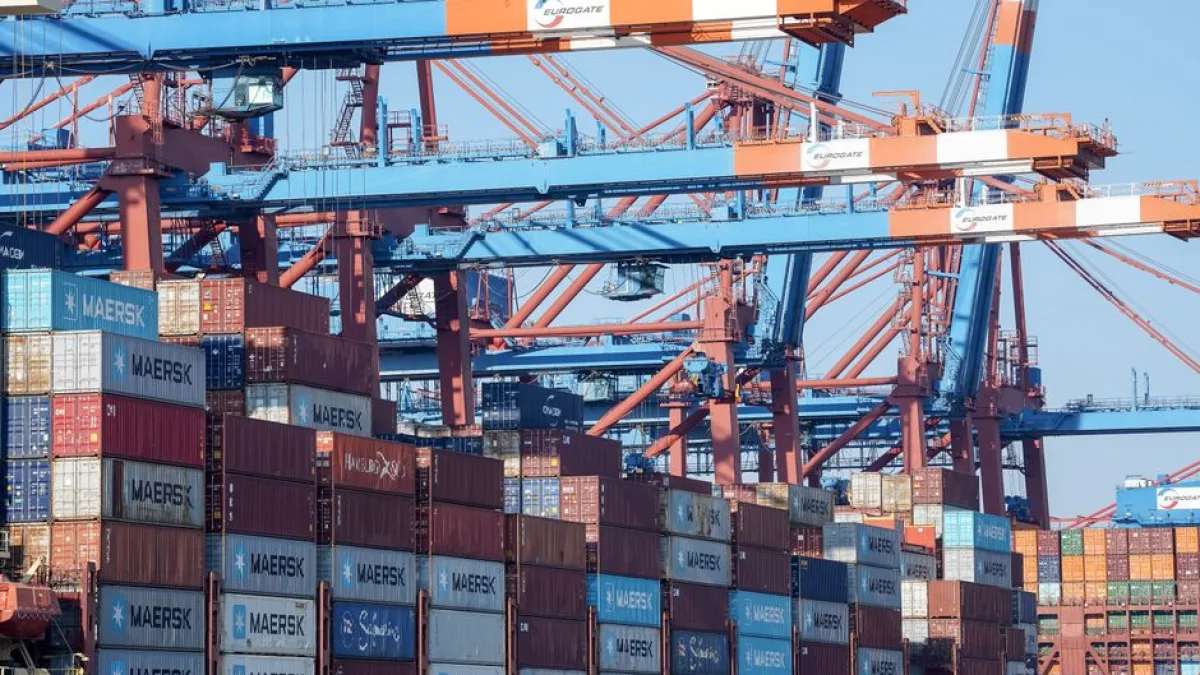
Mastering shipment tracking is a cornerstone of modern freight forwarding success, enabling firms to provide transparency while driving operational excellence through automation and synchronization. By implementing the strategies discussed, you can effectively enhance client satisfaction and build a scalable business model. Start integrating these advanced digital tools today to elevate your service quality and solidify your reputation as an industry leader in global logistics.