Mastering Global Logistics Tracking for Modern Freight Forwarders
Tuesday, August 11 2026
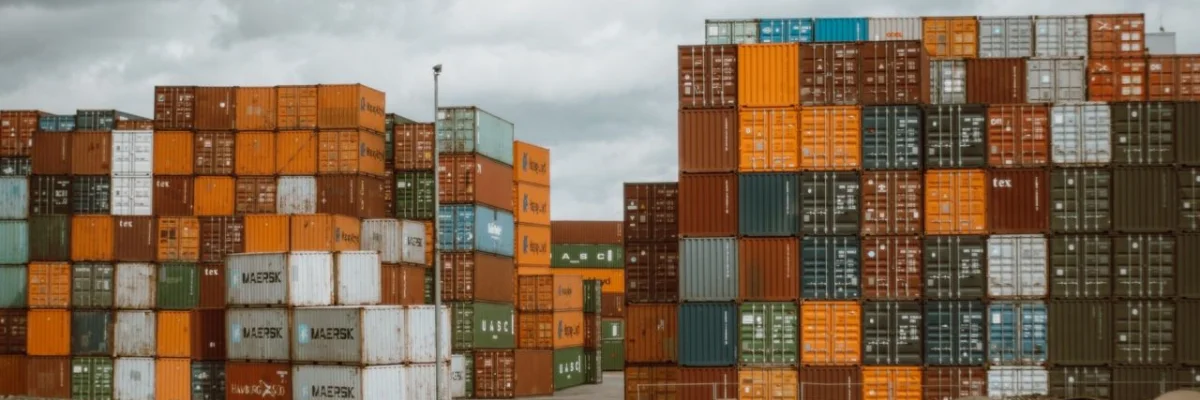
In the fast-paced world of international logistics, the ability to provide precise, real-time shipment updates is the hallmark of a premier freight forwarder. As clients demand greater transparency and speed, reliance on manual data entry or fragmented tracking systems often leads to operational bottlenecks and reduced customer satisfaction. Modern freight forwarding platforms like MakeCargo empower professionals to consolidate data across multiple carriers, ensuring that every stakeholder remains informed throughout the supply chain. By integrating advanced tracking capabilities, forwarders can proactively address transit delays, reduce administrative burdens, and build lasting trust with their partners through superior visibility and digital agility.
The Evolution of Visibility
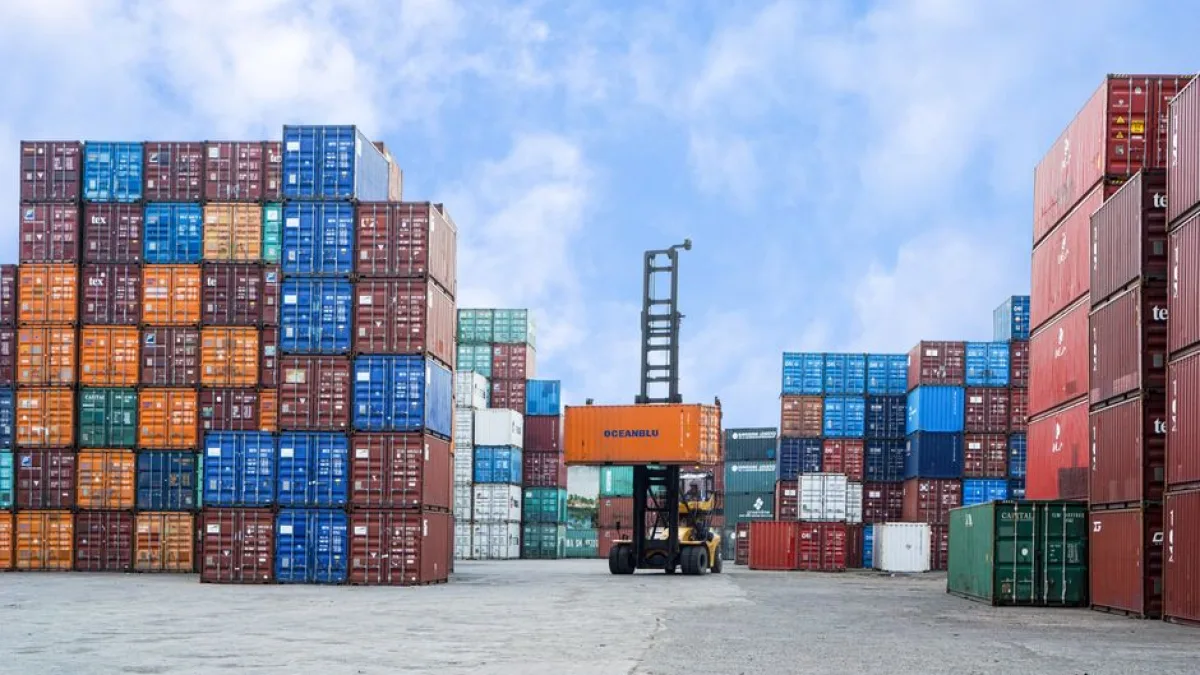
Digital visibility transforms how forwarders handle complex shipping routes by replacing outdated spreadsheets with live data streams. Modern technology enables instant monitoring of every container movement, allowing teams to react quickly to global disruptions and maintain high service quality standards.
- Automated Data Integration: Modern platforms connect directly with carrier APIs to pull tracking status updates automatically, eliminating the need for manual status checks and reducing human data entry errors.
- Proactive Exception Alerts: Advanced systems monitor shipments continuously and trigger instant notifications if a vessel misses a connection or experiences a delay, allowing forwarders to communicate solutions immediately.
- Carrier Network Interoperability: Centralized software allows forwarders to track shipments across different shipping lines within one interface, saving time by removing the need to visit multiple portal websites.
- Customized Client Dashboards: Forwarders can provide their customers with white-labeled tracking portals, which improves brand professionalism and grants shippers 24/7 access to their cargo locations and statuses.
Adopting automated visibility tools significantly reduces the time your team spends answering routine tracking queries from impatient clients. By centralizing disparate data streams, your staff gains a clear view of the entire pipeline, enabling faster decision-making when challenges arise. This structural shift not only boosts operational efficiency but also distinguishes your firm as a tech-forward leader in an increasingly competitive and demanding global market.
Optimizing Shipment Efficiency
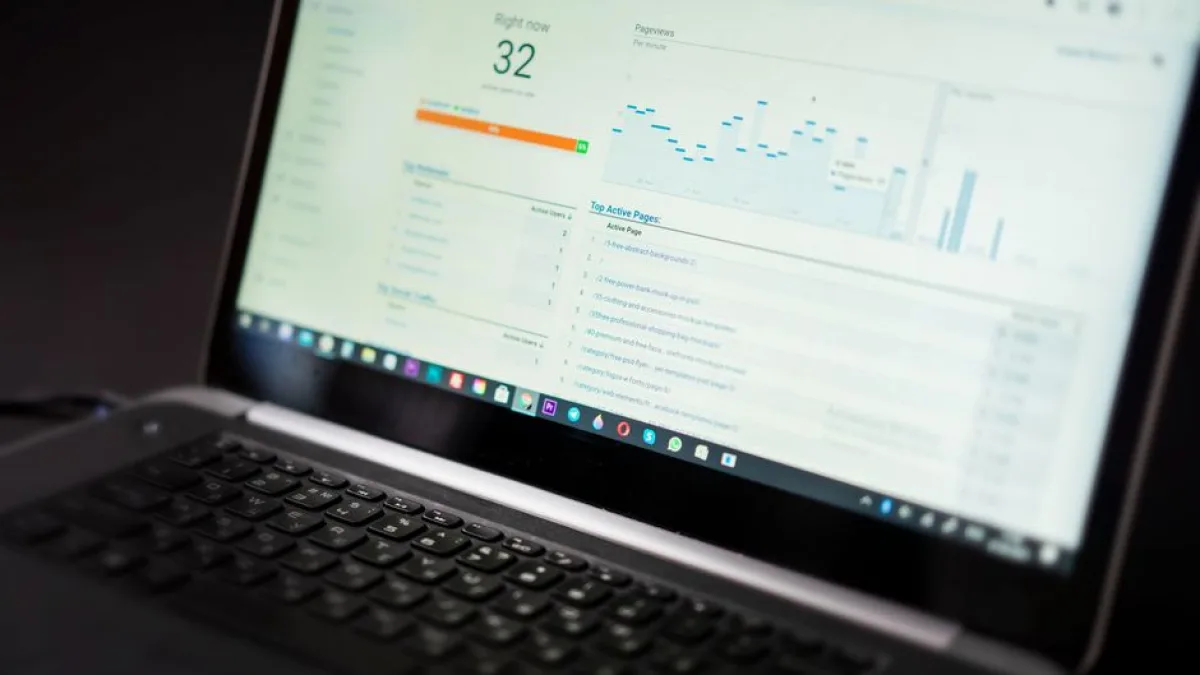
Data-driven logistics relies on the precise analysis of transit times and port performance to optimize future shipping schedules. By reviewing historical tracking data, forwarders can identify bottlenecks and select carriers that offer the most reliable performance for specific trade lanes.
- Transit Time Analysis: Leveraging historical tracking data helps forwarders calculate realistic lead times, which improves planning accuracy and helps set appropriate expectations for your valued shipping clients.
- Performance Benchmarking: Evaluating carrier reliability through aggregated tracking data allows you to choose partners who consistently meet deadlines, ensuring your clients receive stable and predictable service.
- Route Optimization Tools: Software platforms enable teams to compare various transit options by analyzing past performance metrics to determine the fastest routes for urgent high-priority cargo shipments.
- Strategic Asset Allocation: Understanding which routes experience frequent congestion allows your team to redirect cargo flow dynamically, thereby avoiding costly delays that harm the overall supply chain.
When you utilize comprehensive tracking analytics, your decision-making moves from reactive to strategic planning. You can identify which carriers struggle with specific ports and steer your business toward more reliable logistics partners. This level of insight ensures that your team remains ahead of the curve, providing exceptional value to shippers while simultaneously driving down the overhead costs associated with persistent supply chain disruptions.
Building Strong Client Trust
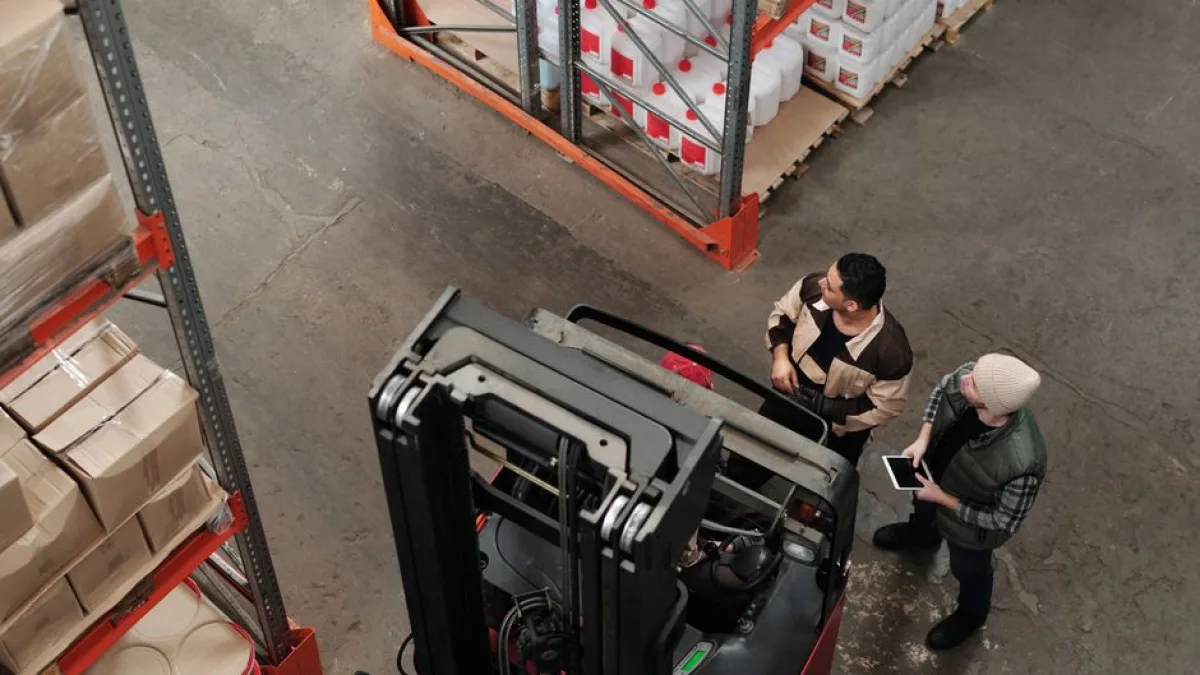
Trust is earned through consistent communication and accurate reporting of cargo movements. Providing your clients with real-time tracking transparency fosters stronger business relationships and positions your freight forwarding agency as a dependable partner in their long-term supply chain success.
- Real-time Status Updates: Instant digital notifications ensure your clients are never left wondering about their cargo location, which reinforces your commitment to professionalism and constant communication throughout shipping.
- Transparent Exception Reporting: Honest and rapid communication regarding unforeseen delays allows clients to prepare for schedule adjustments, turning a potentially negative situation into a display of reliability.
- Consistent Branding Experience: Using customized digital portals keeps your brand at the forefront of the shipping experience, creating a seamless and premium interaction for every single client.
- Direct Communication Links: Modern tracking interfaces provide integrated chat features, which allow clients to ask questions directly related to specific shipments without leaving the tracking portal environment.
By investing in professional, client-facing tracking tools, you effectively reduce the friction that often exists in the traditional forwarding model. Clients appreciate the empowerment that comes with having immediate access to their data, which results in fewer support calls and higher levels of satisfaction. Creating this atmosphere of total transparency will ultimately lead to increased customer loyalty and more frequent referrals for your business.
Scaling Operations Through Automation
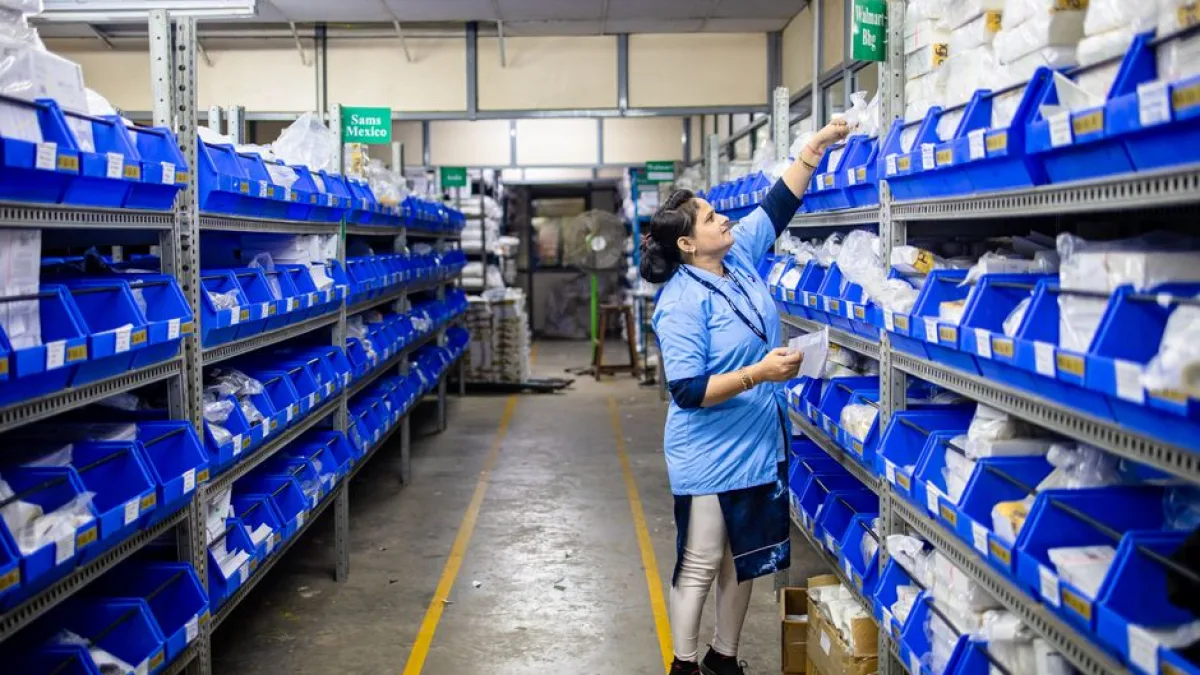
Scaling your freight forwarding business requires robust automation to manage high shipment volumes without increasing your headcount. Modern software solutions streamline the entire tracking process, enabling your team to handle significantly more cargo while maintaining high accuracy and service standards.
- Reduced Manual Overhead: Automation handles the repetitive tasks associated with tracking thousands of containers, freeing up your team to focus on high-value tasks like sales and strategic operations.
- Scalable Workflow Design: Modern cloud platforms are built to grow alongside your business, ensuring that your tracking capabilities remain consistent as your total shipment volume increases annually.
- Centralized Documentation Access: Linking tracking status to relevant shipping documents ensures that clients have everything they need in one location, reducing the need for back-and-forth email communication.
- Customized Automated Reporting: Generate and send scheduled tracking reports to your clients automatically, which saves your staff hours of manual work every week while keeping stakeholders informed.
Scaling successfully requires that you replace manual processes with smart automation that works for you. By leveraging these modern tracking features, your organization can absorb a higher volume of business without compromising on the quality of your customer service. This approach ensures your growth remains sustainable and profitable, allowing your agency to take on more complex international shipping challenges with complete confidence.
Conclusion

Mastering logistics tracking is essential for modern freight forwarders aiming to thrive in a digital-first industry. By leveraging automated visibility, data-driven optimization, and client-facing tools, you create a robust foundation for scalable growth. MakeCargo provides the essential software infrastructure to unify your tracking data, satisfy your customers, and ensure your operations remain efficient as you expand your global reach and improve service standards.