Mastering Global Logistics Tracking for Freight Forwarders
Thursday, August 20 2026
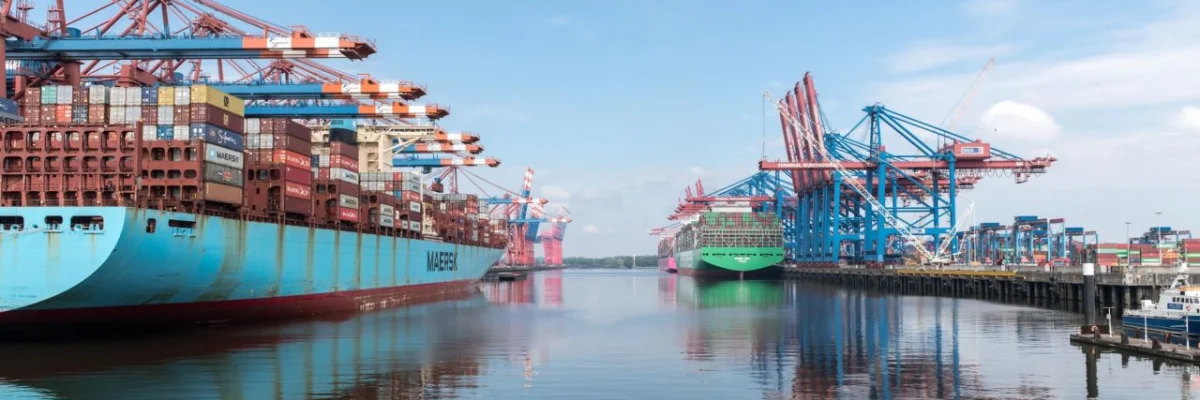
In the rapidly evolving world of international trade, the ability to provide real-time visibility is the primary differentiator for freight forwarders. Clients now demand instant access to the location and status of their cargo, moving away from legacy manual updates. Adopting a centralized tracking system allows logistics providers to consolidate complex data streams, reduce communication overhead, and foster trust with global shippers. By leveraging cloud-based platforms, forwarders can transform raw tracking data into actionable insights, ensuring that every stakeholder remains informed throughout the supply chain while maintaining operational agility in a highly competitive and volatile global marketplace.
The Evolution of Real-Time Tracking

Digital integration has moved beyond basic spreadsheets, offering deep visibility into container movements at major international ports. Modern forwarders utilize sophisticated software to connect directly with carrier data feeds, providing granular status updates that keep clients satisfied and operations running smoothly.
- Automated Data Sync: Modern freight software connects directly with shipping lines to pull live updates, removing the need for manual status entry and reducing human errors significantly for teams.
- Client Visibility Portals: Providing a dedicated portal for shippers builds professional trust and reduces the volume of repetitive emails asking for location updates on pending container shipments.
- Proactive Exception Alerts: Systems now trigger automatic notifications when a shipment faces a delay, allowing teams to resolve issues before the customer even notices a potential disruption occur.
- Unified Tracking Dashboard: A central interface allows logistics managers to oversee multiple shipments at once, facilitating faster decision-making when handling complex multi-modal transport routes across global regions.
Transitioning from manual tracking methods to an automated, cloud-based infrastructure empowers your team to handle higher volumes without increasing headcount. When data flows seamlessly between carriers and your internal systems, you eliminate information silos that often plague traditional firms. This efficiency boost allows your staff to focus on high-value problem solving rather than administrative data entry tasks, ultimately improving your overall service margins.
Optimizing Supply Chain Transparency

Transparency serves as the foundation of modern logistics partnerships. When forwarders share comprehensive tracking information, they reduce ambiguity for the consignee. Leveraging technology to visualize the entire journey helps maintain steady communication flows during every stage of the international freight process.
- Detailed Milestone Tracking: Each phase from origin pickup to final delivery is documented clearly, ensuring that all parties understand exactly where the goods reside within the transit cycle.
- Multi-Carrier Integration Tools: Aggregating data from various ocean and air carriers into one interface simplifies the workflow and provides a single version of truth for all involved.
- Custom Report Generation: Automated reporting tools allow forwarders to deliver analytical data to clients, highlighting performance metrics and helping them identify trends in their shipping patterns over time.
- Document Accessibility Features: Attaching digital copies of bills of lading and invoices to tracking milestones keeps all relevant shipping documentation organized and instantly accessible for compliance verification purposes.
By making supply chain transparency a core pillar of your service offering, you distinguish your firm from competitors who still rely on outdated communication methods. Clients are more likely to commit to long-term contracts when they can view their logistics operations with clarity. Providing this level of service turns your company into an indispensable strategic partner rather than just another transport provider.
Leveraging Data for Operational Efficiency

Operational efficiency depends on how well you utilize the information collected during the tracking process. Advanced analytics help freight forwarders identify recurring bottlenecks, optimize route selections, and improve resource allocation across their network, turning basic shipment data into a valuable business asset.
- Bottleneck Identification Processes: Tracking analytics reveal patterns in port congestion or transit delays, allowing your team to proactively reroute future shipments to avoid these known high-risk zones.
- Predictive Arrival Estimates: Sophisticated algorithms calculate more accurate arrival dates by considering historical performance, weather events, and current port conditions to keep clients updated with precise timelines.
- Cost Management Analytics: Detailed tracking records enable you to monitor fuel surcharges and carrier performance, ensuring that you always select the most cost-effective options for clients.
- Process Improvement Cycles: Regularly reviewing data allows managers to refine standard operating procedures, ensuring that the company maintains high productivity levels while scaling operations to meet demand.
Investing in data-driven decision-making tools creates a roadmap for scalable growth within your freight forwarding business. When you analyze past performance metrics, you gain a clearer understanding of how to optimize internal workflows and external carrier partnerships. This structured approach to logistics management ensures that your operational strategy remains flexible, helping you stay ahead of industry changes while maintaining consistent service quality.
Strengthening Client Relationships Through Technology

Building strong client relationships requires a commitment to technological excellence and transparency. By giving your customers the tools to track their freight independently, you foster a sense of security and professionalism. This empowerment shifts the dynamic, establishing your brand as a modern, reliable leader in the logistics sector.
- Self-Service Client Portals: Giving shippers access to their own tracking data reduces the burden on your support staff and empowers customers to manage their supply chain independently.
- Consistent Communication Protocols: Automated updates ensure that clients receive standardized information, which eliminates confusion and guarantees that every customer feels valued through prompt and reliable reporting.
- Enhanced Brand Reputation: Delivering professional digital experiences enhances how the market perceives your firm, positioning you as an advanced provider in the eyes of potential new clients.
- Loyalty-Building User Experiences: A seamless, user-friendly interface encourages long-term retention as clients appreciate the ease of working with your platform compared to less digitised alternative transport providers.
Your ability to provide a superior digital experience serves as a powerful sales tool for attracting and retaining high-value accounts. When logistics professionals find it easy to work with your platform, they are less likely to seek alternatives. Fostering these relationships through intuitive tracking tools creates a foundation for sustainable growth and long-term profitability within your freight forwarding organization year after year.
Conclusion
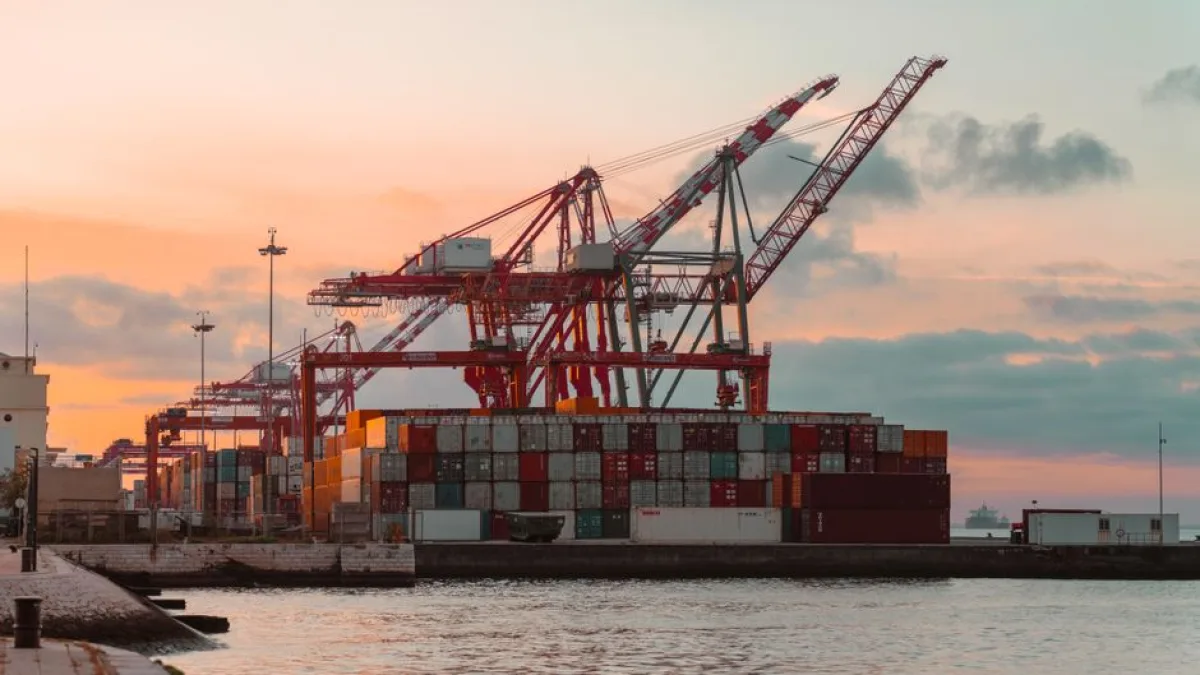
Adopting advanced tracking technology is no longer optional for forwarders seeking to dominate the market. By integrating cloud-based platforms, you provide the visibility and efficiency that modern shippers demand. Start streamlining your operations today by centralizing your shipment data to improve transparency and client satisfaction. Embrace these digital tools to secure a competitive advantage and drive sustainable growth for your global freight forwarding business.