Mastering Global Logistics Tracking for Modern Freight Forwarders
Saturday, August 22 2026

In the fast-paced world of international trade, the ability to track shipments with pinpoint precision has evolved from a luxury into a fundamental requirement for success. Freight forwarders today manage complex supply chains that span multiple continents and transport modes, necessitating robust visibility solutions. As clients demand real-time status updates and transparent communication, leveraging advanced technology is the only way to maintain a competitive edge. This article explores how digital tools and streamlined processes transform logistics tracking into a strategic advantage, ensuring your operations remain efficient and your customers stay informed throughout every leg of the international journey.
Optimizing Shipment Visibility
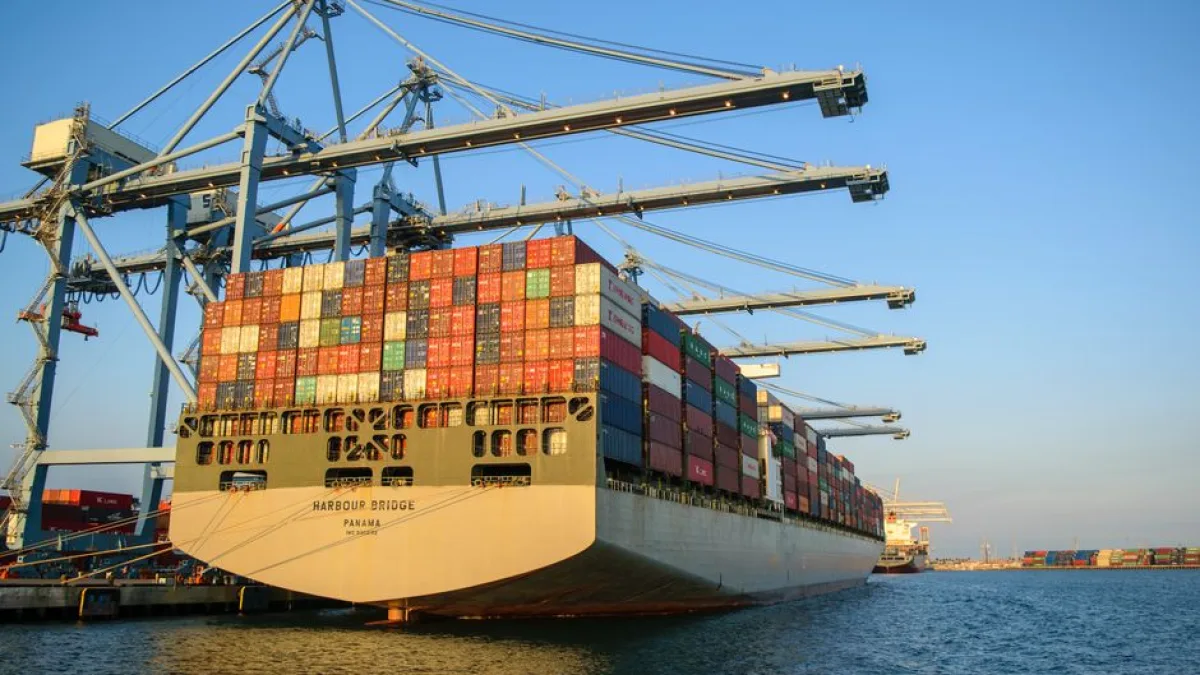
High-resolution visibility starts with capturing accurate data at the point of origin and maintaining it through the entire journey. Modern platforms allow forwarders to integrate diverse tracking sources, ensuring that every movement is recorded and visible to all key stakeholders.
- Real-time data feeds: Integrate live APIs with major carriers to pull accurate location status updates automatically, eliminating the need for manual checks and reducing administrative overhead for your staff.
- Centralized tracking portals: Offer your clients a dedicated digital interface where they can monitor multiple shipments simultaneously, providing them with professional transparency and reducing their reliance on email.
- Automated status alerts: Set up triggers that notify stakeholders whenever a container reaches a milestone, such as vessel departure or arrival, keeping communication proactive instead of reactive during transit.
- Historical performance tracking: Analyze past shipment routes and transit times to identify recurring bottlenecks, allowing your team to optimize carrier selection based on actual performance rather than estimates.
- Exception management systems: Utilize intelligent notifications that highlight delays immediately, enabling your operations team to address issues before they escalate into major problems for your valuable cargo clients.
Achieving total shipment visibility requires a commitment to digital integration across your entire network. By utilizing cloud-based software, forwarders can connect disparate data points into a single, cohesive view that benefits both the internal team and the customer. This level of clarity fosters trust, reduces the frequency of status-related inquiries, and ultimately allows your business to scale operations without sacrificing service quality.
Leveraging Automated Documentation

Documentation management often represents the most time-consuming aspect of freight forwarding. Automating the flow of commercial invoices, packing lists, and bills of lading directly within your tracking software ensures that documents match the current physical shipment status perfectly.
- Digital document syncing: Attach all essential paperwork directly to the tracking record so that your team and partners can access the correct versions without searching through cluttered email folders.
- Version control mechanisms: Ensure that every user is working with the most recent document iteration, which prevents costly errors caused by outdated manifest information or incorrect customs declarations.
- Integrated compliance checks: Use software to automatically verify that documentation meets regional customs requirements before transit begins, avoiding potential fines or hold-ups at international border crossings or ports.
- Paperless workflow automation: Convert traditional physical document processes into digital workflows that reduce waste, lower storage costs, and significantly speed up the release of cargo at destinations.
- Secure document sharing: Implement permissions-based access to sensitive paperwork, ensuring that only authorized personnel can view or edit critical information while maintaining strict security during electronic transmissions.
Transitioning to an automated documentation environment transforms how your office handles daily tasks. By removing manual data entry and repetitive filing, your staff can focus on higher-value activities like relationship management and route optimization. When tracking data and documentation exist in the same cloud space, your entire team gains the speed necessary to handle large volumes of cargo with exceptional precision.
Enhancing Customer Communication

Clear communication is the heartbeat of a successful freight forwarding operation. Customers expect rapid responses and accurate information, regardless of the shipment complexity. Advanced tracking tools provide the foundation for professional engagement, turning every status update into an opportunity to build stronger relationships with your clients.
- Customized client reports: Generate automated weekly reports that highlight key performance metrics, allowing your customers to understand their own shipping patterns and improve their internal supply chain planning.
- Proactive delay notifications: Inform your customers about potential disruptions before they ask, as this demonstration of professionalism helps build long-term trust even during difficult global trade circumstances.
- Multi-channel support integration: Connect your tracking dashboard with messaging tools to provide a seamless communication experience that meets clients on their preferred platforms while maintaining history records.
- Self-service customer dashboards: Empower your clients with the ability to download their own tracking reports, saving your team time while giving your customers the autonomy they prefer.
- Personalized status branding: Apply your company logo and specific communication preferences to all tracking notifications, ensuring every touchpoint reinforces your professional identity in the logistics marketplace.
By streamlining how you share information, you create a seamless experience that clients will value deeply. Providing proactive updates rather than waiting for questions helps to minimize stress during transit. When you invest in tools that simplify communication, you position your brand as a reliable partner capable of navigating any logistical challenge while keeping your customers feeling fully supported and well informed.
Scaling Through Cloud Connectivity
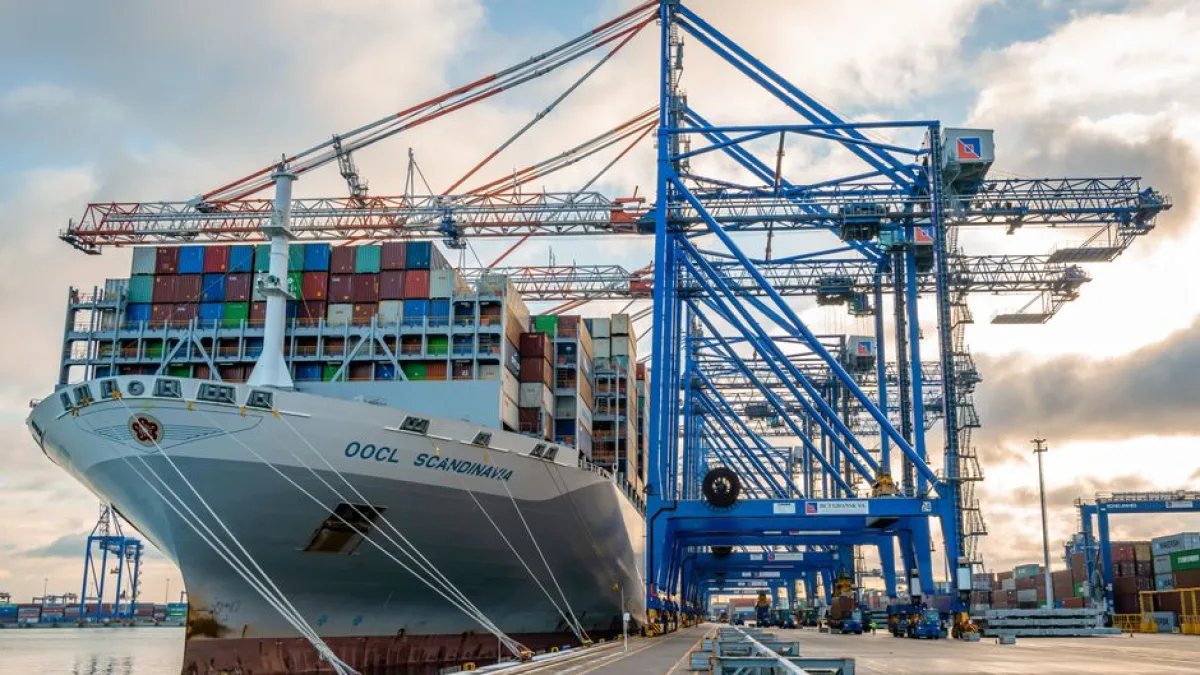
Cloud-based technology is the primary driver for modern freight forwarding growth. By housing your tracking and operational data in a secure cloud platform, you enable remote collaboration and real-time connectivity between agents, carriers, and clients located in different time zones around the world.
- Remote team collaboration: Allow your employees to access live shipment data from any location, ensuring that your operations team remains fully functional regardless of their physical office environment.
- Carrier network integration: Link your internal systems directly with global carriers to receive unified tracking data, which simplifies the process of managing multi-modal shipments that use different partners.
- Data security protocols: Protect your sensitive trade information with advanced encryption and regular cloud backups, ensuring that your business continuity remains intact even during local technical failures.
- Scalable software infrastructure: Expand your cargo volume without needing to upgrade local hardware, as cloud solutions offer the flexibility to grow alongside your increasing shipping requirements annually.
- Interoperable data standards: Use platforms that support global messaging standards, ensuring your system talks seamlessly to ports, government customs portals, and international warehouses for smoother cargo movement.
Scaling your business requires the stability and agility that only cloud-based software can provide. By removing the limitations of local servers and manual record keeping, you gain the freedom to grow your operations across international borders. Embracing these technological advancements ensures that your freight forwarding firm remains resilient, efficient, and perfectly positioned to meet the evolving demands of the global logistics industry today.
Conclusion

Modernizing your tracking capabilities is essential for staying competitive in the global freight market. By prioritizing data visibility, automating documentation, improving client communication, and leveraging cloud technology, you build a foundation for long-term growth. Start optimizing your operations today with MakeCargo software to experience the benefits of seamless logistics management. Contact our team to request a demo and elevate your freight forwarding business.