Mastering Global Logistics Tracking for Modern Freight Forwarders
Saturday, August 22 2026
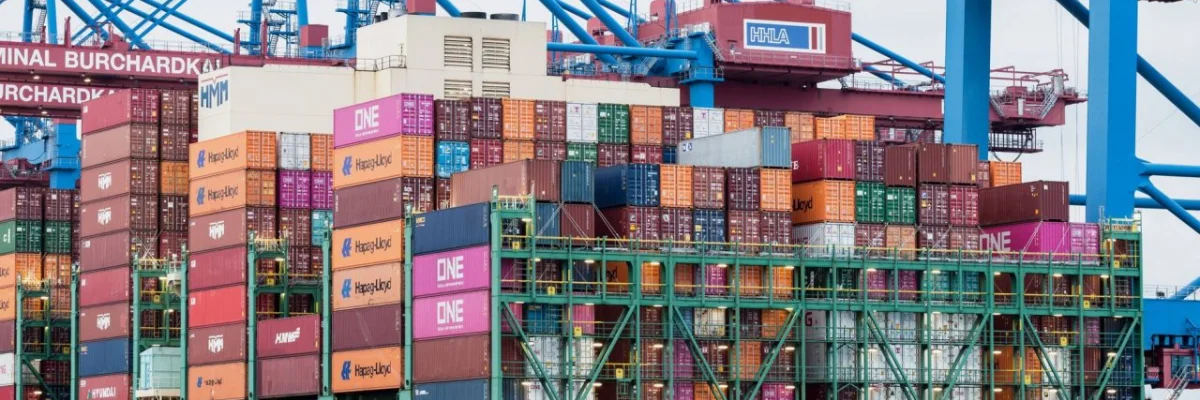
In the fast-paced world of international trade, the ability to monitor cargo movement with precision is no longer an optional luxury. Freight forwarders today face immense pressure to provide real-time updates while maintaining operational efficiency across complex supply chains. Relying on outdated manual tracking methods leads to communication bottlenecks and customer dissatisfaction. By embracing digital integration and cloud-based visibility tools, forwarders can transform their logistics services into a competitive advantage. This article explores how modern software platforms enable professionals to streamline their tracking workflows, reduce human error, and deliver superior transparency throughout the entire journey from origin to final destination.
The Evolution of Visibility
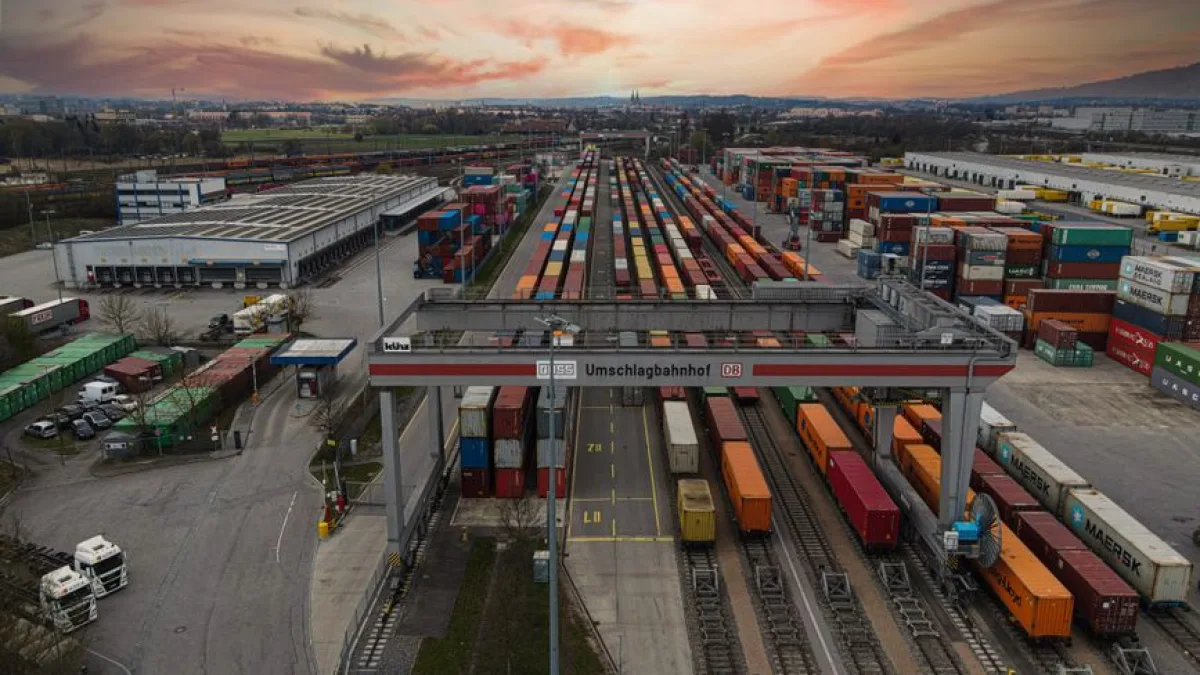
Digital dashboards now provide an instant bird-eye view of global shipments, replacing spreadsheets with live data flows. This visibility shift allows forwarders to identify potential delays before they escalate, ensuring that every shipment remains on schedule and fully optimized for success.
- Automated Status Updates: Modern software automatically synchronizes with carrier systems to pull real-time movement data, eliminating the need for manual status entry and reducing administrative overhead for your logistics team.
- Centralized Shipment Data: Storing all relevant shipping documents and tracking milestones in one cloud platform ensures that every stakeholder accesses consistent information throughout the entire freight forwarding lifecycle.
- Proactive Exception Management: Advanced alerts notify staff immediately when a shipment deviates from its planned path, allowing forwarders to take corrective action before customers notice any significant service impact.
- Enhanced Client Portals: Providing your shippers with access to a branded tracking portal fosters trust and transparency while drastically reducing the volume of incoming manual status update requests.
Adopting centralized tracking software effectively bridges the gap between carriers and shippers. It eliminates informational silos that often cause operational friction. By moving away from email-based status requests, your team gains valuable time to focus on complex logistics problem-solving. This modern approach not only improves daily productivity but also positions your company as a reliable partner in a crowded and highly demanding global market.
Optimizing Carrier Communication
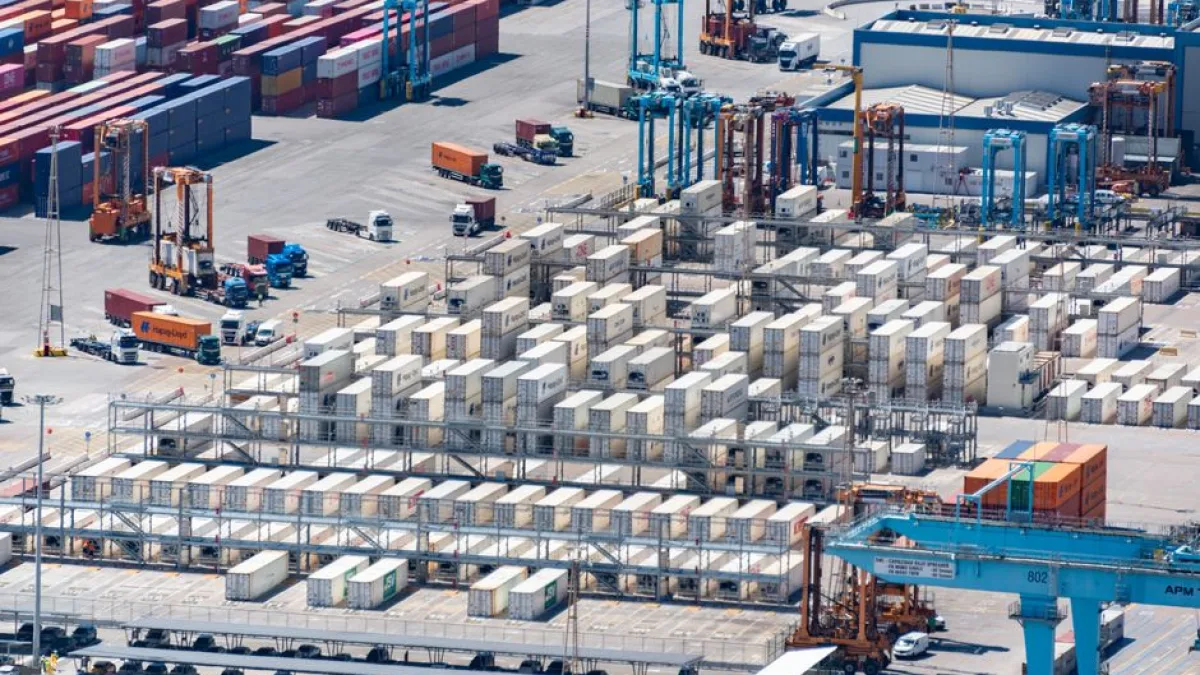
Effective communication between forwarders and carriers is the backbone of reliable shipping. Using integrated digital tools ensures that critical data regarding vessel arrivals and departure times flows seamlessly, minimizing confusion and preventing costly communication errors during high-volume peak seasons.
- API Data Integration: Connecting your freight platform directly with carrier systems enables the seamless exchange of tracking updates, providing your team with the most accurate data currently available today.
- Standardized Messaging Protocols: Utilizing cloud software enforces consistent communication formats across all internal departments, which helps avoid misunderstandings and ensures that every update remains clear and highly actionable.
- Direct Carrier Collaboration: Integrated communication modules allow forwarders to message carrier representatives directly within the shipment file, ensuring that historical context is preserved for every single global movement.
- Error Rate Reduction: Automated data validation tools flag inconsistent information from carriers immediately, preventing incorrect status updates from reaching your clients and damaging your professional reputation in the industry.
Streamlined communication is essential for maintaining a high level of service quality in the freight industry. When forwarders replace fragmented email chains with integrated digital workflows, they create a more resilient logistics environment. This transition significantly lowers the risk of human error, allowing your staff to handle more shipments without increasing headcount. Consequently, your business becomes more scalable, efficient, and better prepared for growth.
Leveraging Predictive Analytics

Data is the most valuable asset for modern freight forwarders seeking to improve their future performance. By analyzing historical tracking records, firms can identify patterns in carrier reliability and port congestion, enabling them to make smarter routing decisions for their clients.
- Trend Identification Tools: Sophisticated analytics modules highlight recurring delays at specific ports, empowering forwarders to suggest alternative routing options to shippers to avoid common bottlenecks during peak times.
- Carrier Performance Metrics: Tracking the actual versus planned delivery times across different carriers allows you to objectively evaluate performance and make data-driven decisions when selecting future service partners.
- Historical Data Insights: Reviewing past shipment performance helps forwarders optimize future operations by recognizing seasonal demand spikes and planning resource allocation more effectively during the busy annual business cycle.
- Strategic Route Optimization: Predictive data enables teams to choose the most reliable and efficient paths for transit, which helps in controlling costs while maintaining high service standards for customers.
Predictive analytics turn raw tracking data into a strategic business asset that improves long-term planning. Instead of merely reacting to daily shipping events, forwarders can anticipate challenges and propose proactive solutions to their clients. This sophisticated level of insight differentiates your company from competitors, establishing your team as strategic advisors rather than just logistics coordinators who process shipments manually every day.
Ensuring Data Accuracy Always

Reliable tracking is useless without accurate data entry and validation protocols. Maintaining high standards for information integrity prevents the spread of misinformation, ensuring that every update shared with your clients is trustworthy, timely, and reflective of the current real-world status.
- Automated Validation Checks: Software platforms should perform internal audits on incoming data, ensuring that every tracking update aligns with the expected timeline and documentation provided for each specific shipment.
- Real-Time Sync Protocols: Ensuring that your internal database syncs with live carrier feeds at regular intervals prevents the use of stale data during critical client reporting sessions today.
- Structured Data Fields: Utilizing forced input fields for tracking milestones minimizes the risk of typos and inconsistent formatting, which simplifies the process of data filtering and automated reporting tasks.
- Role-Based Access Control: Restricting data editing rights to authorized personnel protects the integrity of your shipment logs, ensuring that only qualified team members can update critical tracking milestones.
Maintaining high data accuracy builds lasting trust with your shipping partners. When your information is consistently reliable, clients feel confident in your operational competence and transparency. This dedication to precision not only minimizes costly logistics errors but also streamlines the entire billing and documentation process. By treating data as a core operational asset, you ensure your company remains a trusted industry leader.
Conclusion

Mastering logistics tracking is a transformative step for any freight forwarder in the digital age. By integrating automated tools, improving communication, and utilizing predictive analytics, you can elevate your service standards significantly. These advancements save time, reduce operational errors, and enhance the overall experience for your clients. Embrace these digital solutions now to stay ahead of the competition and ensure sustainable growth for your business.