Mastering Global Logistics Tracking for Modern Freight Forwarders
Sunday, August 23 2026

Modern freight forwarding requires more than just moving goods from point A to point B. It demands precision, transparency, and a relentless focus on real-time data accuracy to keep global supply chains moving. As market volatility increases and client expectations shift toward instant updates, forwarders must leverage sophisticated tracking solutions to maintain a competitive edge. By integrating cloud-based visibility tools into daily operations, companies can proactively manage exceptions, reduce communication friction, and provide stakeholders with the reliable, end-to-end information they need to make informed decisions in a fast-paced environment where every second spent waiting for status updates counts.
The Value of Real-Time Visibility
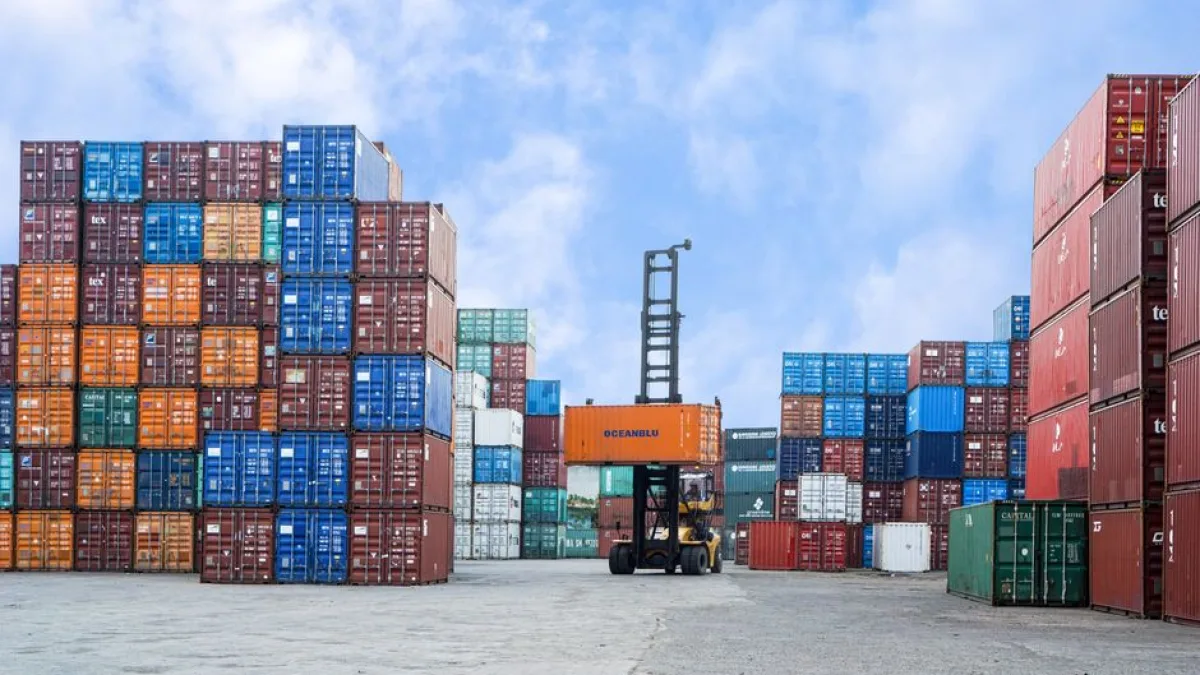
Real-time data visibility serves as the backbone of modern freight logistics, transforming static shipment statuses into dynamic insights. By utilizing cloud technology, forwarders can monitor every milestone, ensuring that potential delays are identified and mitigated before they impact the final delivery schedule.
- Enhanced Client Communication: Providing customers with instant access to their shipment status reduces the volume of manual inquiries and fosters trust through constant, reliable, and transparent digital communication.
- Proactive Exception Management: Advanced tracking systems alert logistics teams to bottlenecks or routing disruptions immediately, allowing for rapid adjustments that minimize the financial impact of unexpected shipping delays.
- Data-Driven Strategic Planning: Accessing historical performance metrics allows freight forwarders to optimize carrier selection and improve overall transit times based on documented reliability rather than mere estimation.
- Competitive Market Positioning: Delivering superior visibility differentiates your service offerings, attracting high-value clients who prioritize supply chain reliability and digital integration in their logistics provider partnerships.
Adopting advanced visibility tools changes the way forwarders engage with their clients. Instead of manually tracking containers through fragmented portals, teams utilize automated workflows to push status updates directly to users. This shift not only saves hours of administrative time but also strengthens long-term business relationships. As you consolidate your data streams, the resulting efficiency gains become a core component of your operational excellence strategy.
Optimizing Automated Status Notifications

Automated notifications bridge the gap between complex logistical operations and the client experience. By triggering alerts based on specific geographic or status milestones, forwarders ensure that stakeholders remain informed without the need for manual intervention or lengthy, repetitive email chains throughout the process.
- Customized Alert Thresholds: Configure specific notification rules to suit individual client requirements, ensuring stakeholders receive the exact information they need at the right frequency for their operational needs.
- Multichannel Alert Delivery: Integrate automated updates across multiple platforms, including email, SMS, and client portals, to ensure that critical tracking information is accessible through your clients preferred communication channels.
- Reduced Administrative Overhead: Eliminate the time-consuming process of manually generating status reports by automating the distribution of tracking milestones directly from your freight forwarding software platform today.
- Improved Response Times: Receive internal alerts regarding container arrivals or port congestion, enabling your staff to respond to logistics challenges faster and maintain steady momentum throughout the move.
When notifications function seamlessly, your operations team can focus on high-level problem solving rather than repetitive status reporting tasks. This automated approach ensures that your agency remains professional and organized, even when managing large volumes of diverse cargo shipments. By setting up a robust notification system, you create a standard of excellence that keeps your clients satisfied and your internal processes lean.
Integrating Carriers into Digital Workflows
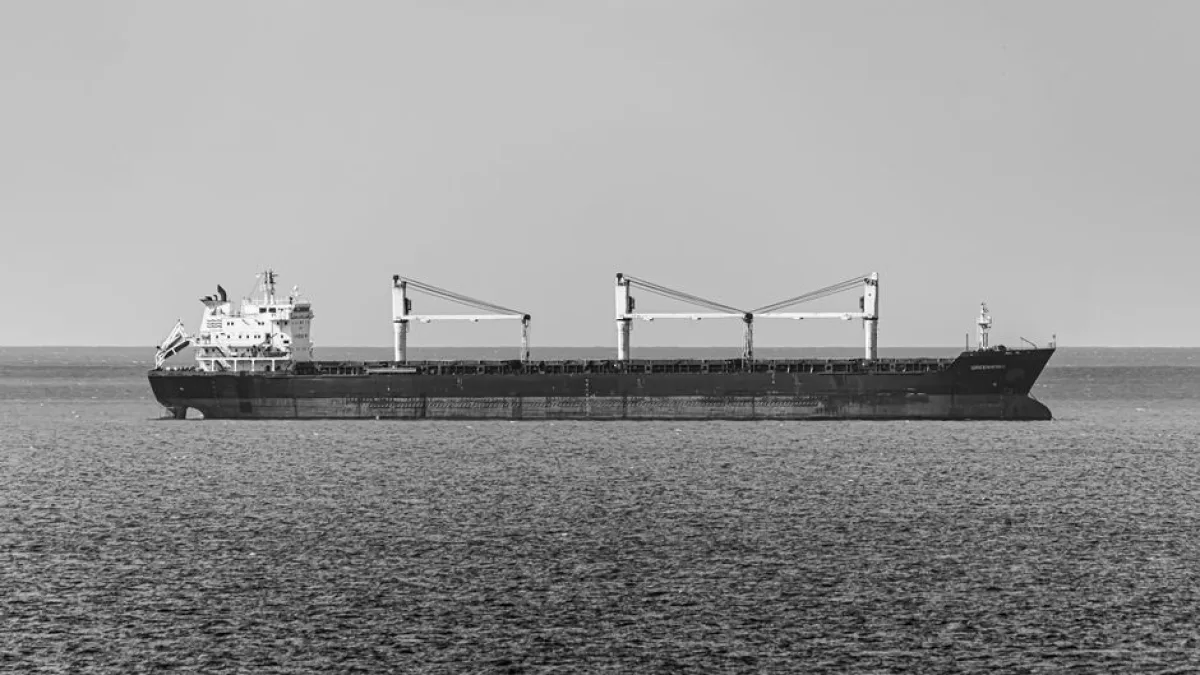
Achieving total tracking visibility requires deep integration with global carriers and terminal operators. By establishing digital connections, forwarders can pull live data directly into their management systems, creating a single source of truth for every shipment across diverse global transport networks.
- Unified Data Streams: Consolidate tracking data from ocean lines, trucking companies, and air freight carriers into one centralized platform for streamlined management and improved organizational oversight and reporting.
- Standardized Document Handling: Link tracking updates directly to corresponding shipping documents like bills of lading, ensuring that all necessary paperwork is current and accessible during each transit phase.
- API Driven Connectivity: Leverage modern application programming interfaces to facilitate seamless data exchange between your software and carrier systems, ensuring accuracy and reducing reliance on legacy methods.
- Enhanced Carrier Performance: Monitor how individual carriers perform against their stated schedules, enabling your procurement team to hold vendors accountable and select the most reliable partners available.
Integrating your carriers is the ultimate step toward building a truly connected supply chain environment. While initial setup requires technical coordination, the long-term benefits of synchronized data are immense for your team. You will spend less time chasing information across different websites and more time analyzing the performance of your shipping routes. This digital maturity is essential for scaling operations in global markets.
Leveraging Analytics for Future Growth

Tracking data offers more than just current location updates; it provides the insights necessary for long-term growth. By analyzing patterns in shipping transit times and common delays, forwarders can refine their strategies and offer clients more precise lead time predictions moving forward.
- Transit Time Analysis: Identify consistent patterns in delivery performance across various trade lanes to offer clients more accurate shipping estimates and improve overall supply chain forecasting efforts.
- Cost Reduction Strategies: Pinpoint recurring bottlenecks or inefficient routes that lead to detention and demurrage fees, allowing your team to adjust planning and save clients significant money.
- Volume Forecasting Accuracy: Utilize historical tracking metrics to predict seasonal demand spikes, enabling your team to secure capacity in advance and maintain service levels during peak periods.
- Performance Benchmarking Tools: Compare your internal operational metrics against industry standards to identify areas for improvement and maintain a high level of competitiveness in the freight market.
Turning raw tracking data into actionable intelligence is a key differentiator for top-tier freight forwarders. When you present clients with data-backed insights regarding their supply chain performance, you move from being a simple service provider to a trusted strategic partner. Investing in analytical capabilities today secures your firm a place at the forefront of the logistics industry, ensuring resilience against future disruptions.
Conclusion

Mastering the art of shipping and tracking requires a combination of robust software tools and a commitment to data transparency. By implementing automated alerts, integrating carrier systems, and utilizing performance analytics, you create a powerful framework for success. Start refining your tracking processes today to enhance client trust, increase operational efficiency, and drive sustainable growth for your freight forwarding business in a complex global market.