Mastering Global Logistics Tracking for Freight Forwarding Success
Tuesday, August 25 2026
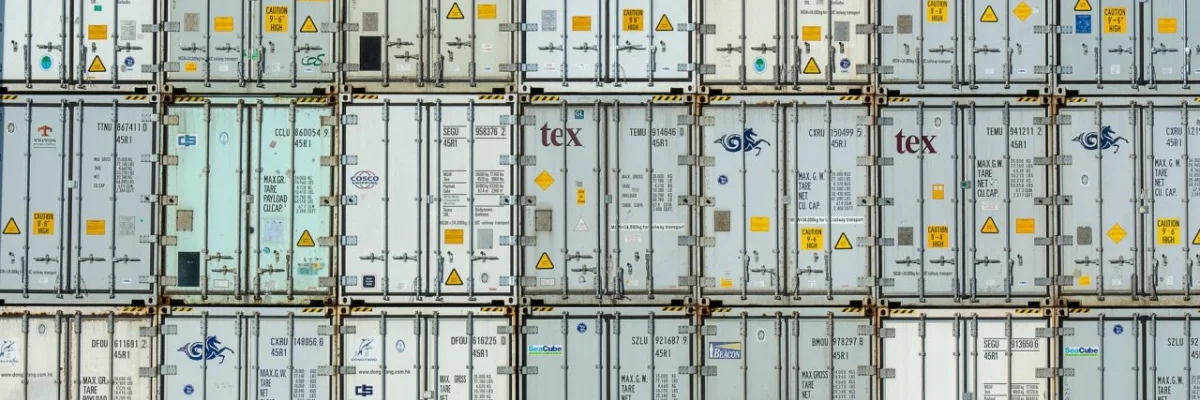
Modern logistics environments demand unprecedented levels of visibility as shippers and forwarders navigate increasingly complex global supply chains. Relying on outdated manual updates creates significant bottlenecks that diminish operational productivity and damage client trust. By integrating advanced digital tracking solutions, freight forwarders gain the ability to monitor shipments in real time, anticipate potential delays, and provide proactive solutions to their customers. Adopting a data-driven approach to tracking not only improves internal efficiency but also transforms the customer experience from reactive communication to a seamless, transparent service that positions your firm as a leader in the international freight marketplace.
Leveraging Real-time Visibility

Real-time visibility represents the cornerstone of modern logistics, allowing teams to monitor cargo movements as they happen. By utilizing advanced cloud-based platforms, forwarders can eliminate manual status checks and provide shippers with the accurate, instantaneous data they demand for their inventory management.
- Automated status updates: Eliminate the time-consuming process of manual data entry by receiving automated notifications directly from carriers, ensuring that your tracking information remains accurate and updated around the clock.
- Reduced communication overhead: Significantly decrease the volume of status inquiries from clients by providing them with a self-service dashboard that offers immediate, transparent access to their current shipment progress.
- Proactive exception management: Detect potential disruptions such as port congestion or vessel delays early, allowing your team to inform clients and implement contingency plans before minor issues become costly problems.
- Data integration benefits: Sync your tracking data seamlessly with your core operational systems, providing a centralized platform that unifies documentation, billing, and shipment milestones for maximum organizational efficiency gains.
Transitioning toward full visibility requires a commitment to digital infrastructure that supports continuous data flow. When your team stops spending hours chasing emails for status updates, they can focus on high-value tasks that drive revenue and improve service quality. Implementing these tools is not just an optional upgrade, but a necessary shift for staying competitive in a rapidly evolving global logistics landscape today.
Optimizing Carrier Data Integration
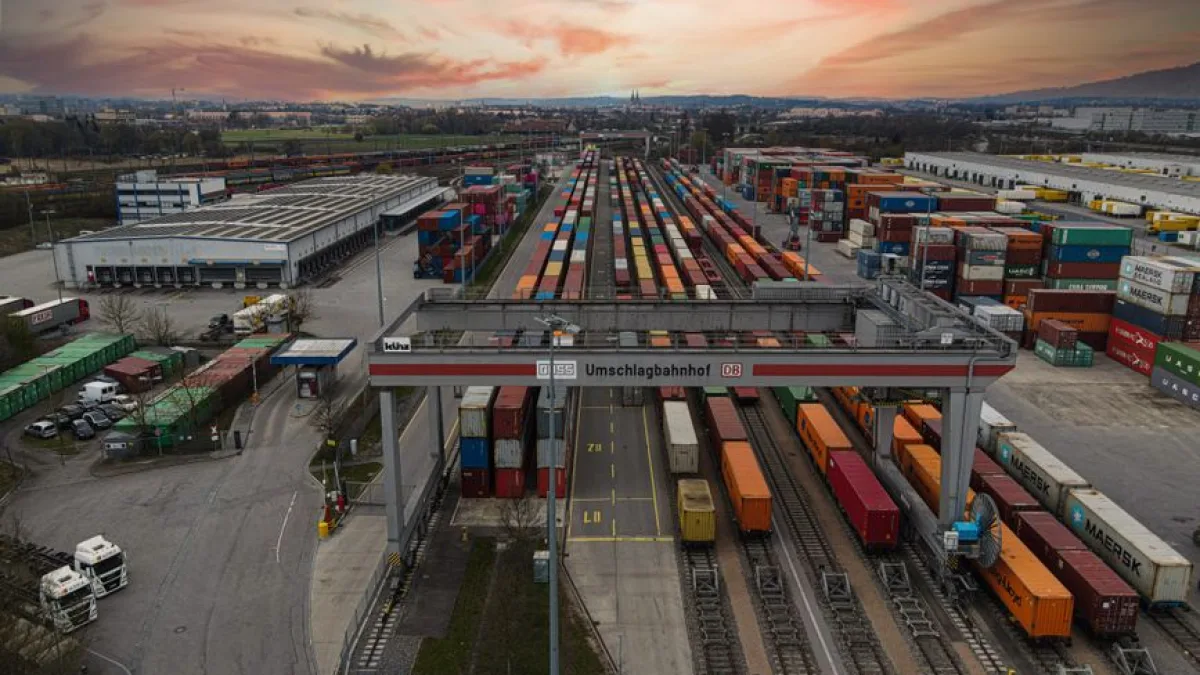
Connecting diverse data streams from ocean, air, and road carriers is essential for achieving a unified view of your cargo. Effective integration enables your team to synthesize disparate information into actionable insights that optimize routing and improve overall operational decision making.
- Unified data streams: Consolidate tracking information from multiple shipping lines and local carriers into a single interface, ensuring that your team has a consistent view of every container.
- Standardized data reporting: Harmonize complex carrier codes and status messages into a standardized format that is easy for your internal staff and your clients to understand immediately.
- API connectivity advantages: Utilize direct API connections to pull live information from carrier databases, reducing reliance on outdated email notifications or fragmented web portals for your operations.
- Customized alert thresholds: Configure specific tracking alerts based on your internal performance benchmarks, ensuring that your team only receives notifications that require immediate action or critical management intervention.
By investing in robust integration, you eliminate the fragmentation that often plagues freight forwarding operations. This cohesion allows for faster reaction times when unexpected challenges emerge during the transit phase. Furthermore, having a clear and integrated view of your data ensures that every stakeholder has access to the same reliable information, fostering better collaboration and higher accountability across all your active shipments.
Enhancing Customer Communication Standards

Building strong customer relationships relies heavily on how you manage communication during the shipping process. High-quality tracking tools allow you to deliver professional, branded updates that reassure your clients while reinforcing your company brand identity through every single status notification sent.
- Branded client portals: Provide a personalized tracking experience where customers log into your branded environment, increasing your professional image and keeping them engaged with your specific business platform.
- Automated email notifications: Configure customized email alerts that automatically send status changes to your clients, ensuring they feel informed and valued throughout the entire lifecycle of their shipments.
- Self-service access levels: Grant your clients different levels of access to their shipment data, allowing them to download documents or track milestones without needing to call your office.
- Transparent milestone tracking: Break down complex transit legs into simple, clear milestones that help clients understand exactly where their goods are at any point in the journey.
Superior communication standards set the best forwarders apart from the competition by reducing anxiety and building trust. When clients can easily access their own information, they are far more likely to remain loyal to your brand for future business. This strategy effectively turns your tracking process into a key marketing tool that highlights the reliability and professionalism of your entire organization.
Driving Operational Efficiency Gains

Efficiency is the primary driver of profitability in freight forwarding, and tracking serves as the engine of that optimization. When your internal processes are aligned with high-quality tracking data, you minimize wasted effort and maximize your team capacity to manage larger shipping volumes effectively.
- Improved resource allocation: Assign your staff to manage shipments based on data-driven alerts, ensuring that your most experienced personnel focus on the most complex or delayed logistics tasks.
- Faster billing cycles: Link tracking milestones to your invoicing process to trigger automatic billing when specific stages are completed, significantly reducing the time spent on manual account receivables.
- Performance analytics reporting: Utilize your tracking data to generate detailed reports on carrier performance, helping you negotiate better rates and improve your overall vendor selection strategy for clients.
- Optimized documentation workflows: Attach digital documents directly to specific shipment tracking milestones, making it easier for your team to access required paperwork exactly when they need it most.
Ultimately, maximizing efficiency requires a move toward intelligent automation that supports your human expertise. By letting technology handle the routine tracking tasks, you empower your staff to focus on solving unique logistical challenges. This approach not only boosts your bottom line but also creates a scalable business model that is prepared for growth and ready to handle the demands of international trade.
Conclusion

Mastering logistics tracking is an essential step for any forwarder aiming to thrive in today's competitive environment. By embracing real-time visibility, seamless integrations, and improved communication, you can build a more resilient and profitable business. Leverage these digital strategies to elevate your service quality and provide the transparency your clients deserve. Contact MakeCargo today to learn how our platform streamlines these critical tracking workflows.