Mastering Global Logistics Tracking for Modern Freight Forwarders
Tuesday, August 25 2026

In the fast-paced world of international trade, the ability to monitor cargo in real-time has transitioned from a competitive advantage to a fundamental operational requirement. Freight forwarders must now navigate complex supply chains where clients demand instantaneous updates and full visibility from origin to destination. By leveraging advanced cloud-based digital platforms, logistics professionals can bridge the gap between fragmented data sources and actionable insights. This article explores how modern tracking technologies empower forwarders to improve service quality, reduce manual administrative burdens, and build long-term trust with their global partners through precise and reliable digital cargo management systems.
Optimizing Real-Time Visibility
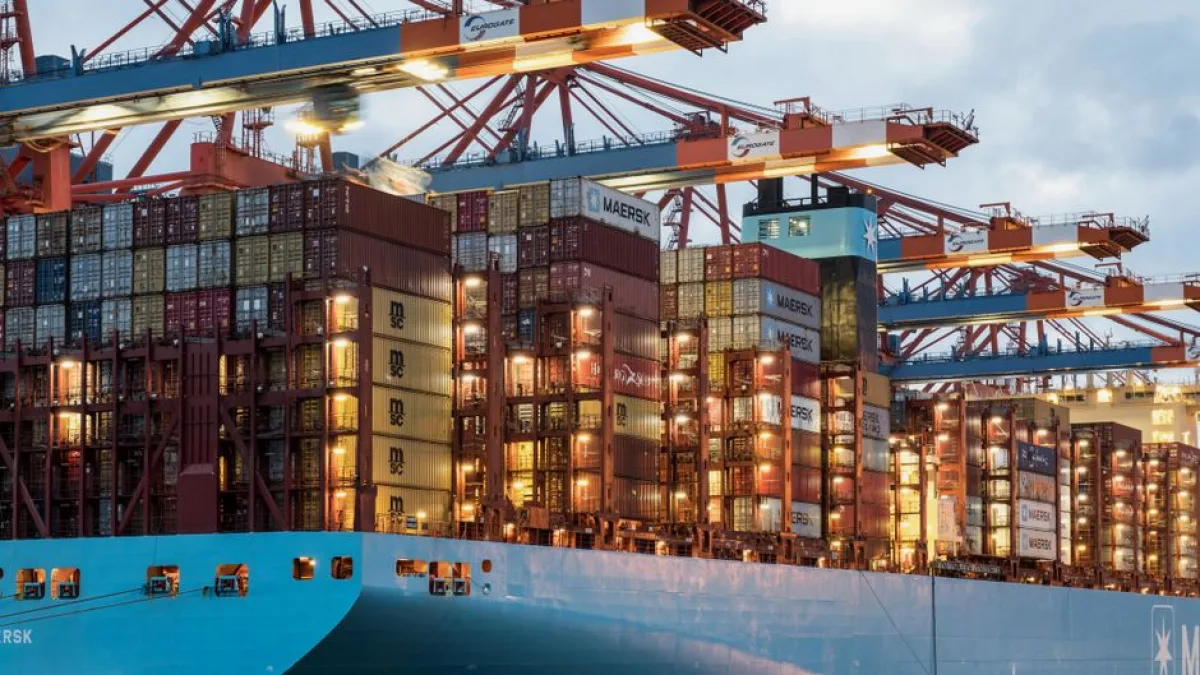
Digital visibility tools transform how forwarders interact with port operations and vessel tracking data. By integrating automated feeds, teams can monitor container progress across international waters, ensuring that stakeholders receive accurate location updates during every phase of the maritime journey.
- Automated Vessel Tracking: Leverage satellite integration to receive automatic updates on ship movements and port arrival estimates without the need for manual check-ins with individual ocean carrier portals.
- Milestone Event Alerts: Configure proactive notifications that trigger automatically whenever cargo reaches critical checkpoints, ensuring that your operations team remains informed about potential delays or documentation requirements immediately.
- Centralized Data Hubs: Consolidate information from multiple carriers into a single user interface, eliminating the need to toggle between different website portals for status updates on active shipments.
- Customer Transparency Portals: Provide your clients with secure access to their own tracking dashboards, reducing the volume of status request emails that your support team handles each day.
By shifting to an automated visibility model, forwarders significantly reduce the time spent on routine inquiry management. This strategic transition allows logistics coordinators to focus their expertise on high-level problem solving rather than manual data entry. As transparency becomes the industry standard, investing in these cloud-integrated tracking systems ensures that your firm remains a reliable partner for companies requiring constant cargo oversight and reliability.
Managing Exception Handling Protocols

Unexpected disruptions are inevitable in global logistics, making the ability to manage exceptions a critical skill. Effective tracking software highlights these anomalies quickly, allowing forwarders to implement contingency plans before minor issues evolve into costly supply chain failures for their customers.
- Predictive Delay Alerts: Utilize smart analytics that compare current transit progress against historical performance data to forecast potential delays before they impact your scheduled delivery timelines.
- Integrated Exception Logs: Maintain a digital record of all shipping anomalies and resolutions within the shipment file for easy auditing and future process improvement for your team.
- Direct Communication Tools: Utilize built-in messaging features to coordinate with local agents or haulage providers immediately when a transit exception occurs, facilitating a rapid and collaborative response.
- Scenario Planning Modules: Test alternative routing options through digital simulation tools that help you identify the most efficient recovery path during unforeseen port congestion or weather events.
When exceptions arise, the speed of your reaction directly correlates to client satisfaction and retention. Utilizing advanced software to manage these incidents ensures that every stakeholder is aligned on the corrective strategy. By formalizing your exception handling protocols through a unified platform, your team can maintain high service levels even when global conditions create significant obstacles for traditional freight movement strategies.
Integrating Partner Data Streams
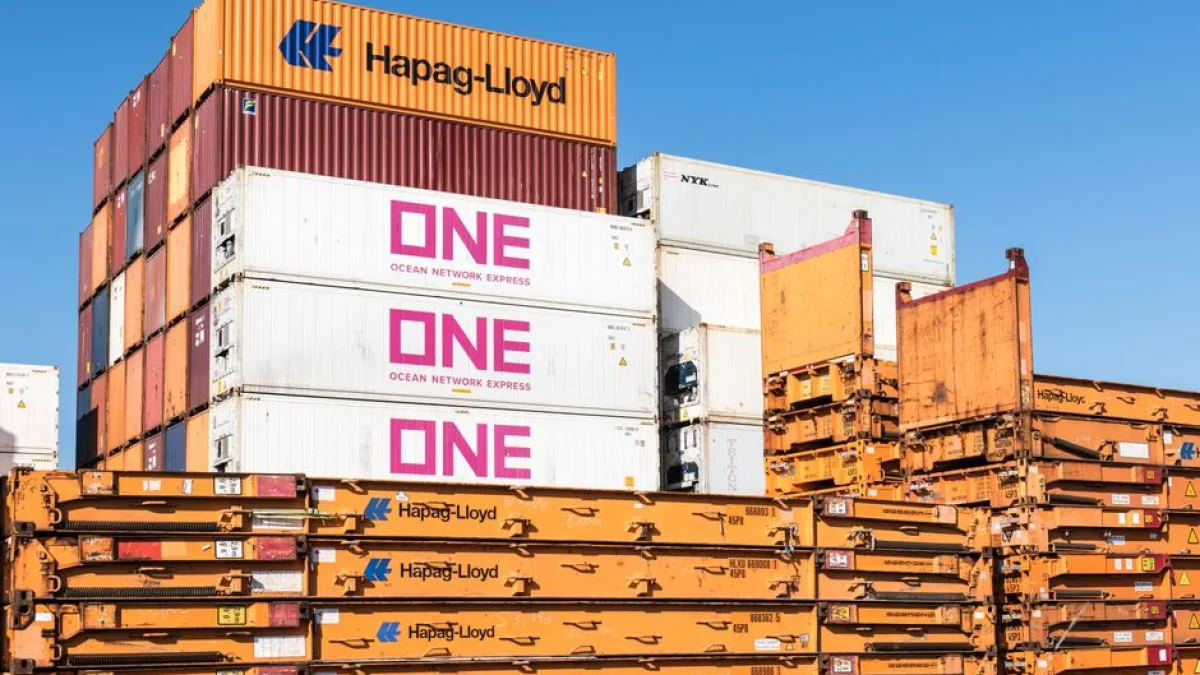
Seamless connectivity with carriers and local agents is vital for comprehensive freight tracking. Modern platforms utilize secure APIs to pull data directly from third-party systems, creating a synchronized view of the supply chain that is both accurate and timely.
- API Carrier Integration: Establish direct connections with major ocean and air carriers to ensure that tracking data flows automatically into your platform without any manual input required.
- Partner Data Validation: Implement automated checks that verify data quality from subcontractors, ensuring that the information shared with your clients is consistently accurate and free of errors.
- Unified Communication Protocols: Use standardized electronic data interchange formats to exchange shipping documents and status updates with your network of overseas agents in a single secure environment.
- Vendor Performance Metrics: Analyze the reliability of your service partners based on the tracking data captured in your system, helping you refine your network of preferred providers.
Data integration acts as the backbone of an efficient freight forwarding operation. By connecting your platform directly with the systems used by carriers and agents, you remove information silos that often lead to communication breakdowns. This cohesive ecosystem not only improves the internal workflow for your operations team but also provides a superior, frictionless experience for your clients throughout the shipment life cycle.
Enhancing Client Trust Through Analytics

Reporting and performance analytics provide the transparency that today's shippers require. By sharing detailed insights derived from tracking data, forwarders demonstrate their value as strategic partners rather than simple service providers, ultimately strengthening the professional relationship with their global shipping clients.
- Customizable Performance Reports: Generate professional client reports that highlight key performance indicators, such as transit time consistency and carrier reliability, to showcase your firm's operational excellence during reviews.
- Historical Transit Audits: Maintain detailed archives of past shipment tracking data, allowing your clients to conduct their own annual supply chain reviews using verifiable and accurate documentation logs.
- Proactive Service Updates: Use data insights to suggest improvements to routing or carrier selection, proving your commitment to optimizing your clients' logistics costs and transit performance.
- Data-Driven Relationship Management: Focus your client meetings on trends and growth opportunities identified through tracking analytics, moving the conversation away from basic status updates to value creation.
Transparency is the most effective tool for building long-term loyalty in the competitive freight forwarding market. When clients have access to the data they need to make informed business decisions, they are more likely to view your firm as an essential extension of their own team. Consistent, data-backed communication fosters deep trust, ensuring that your partnership remains strong through every shipping season.
Conclusion

Mastering freight tracking involves more than just monitoring locations; it requires the intelligent application of technology to create value for your customers. By automating data collection, managing exceptions with precision, and integrating your partner network, you position your forwarding firm for sustainable growth. Start leveraging these modern digital strategies today to improve your service reliability and establish yourself as a leader in the global logistics industry.