Mastering Global Logistics Tracking for Modern Freight Forwarders
Wednesday, August 26 2026
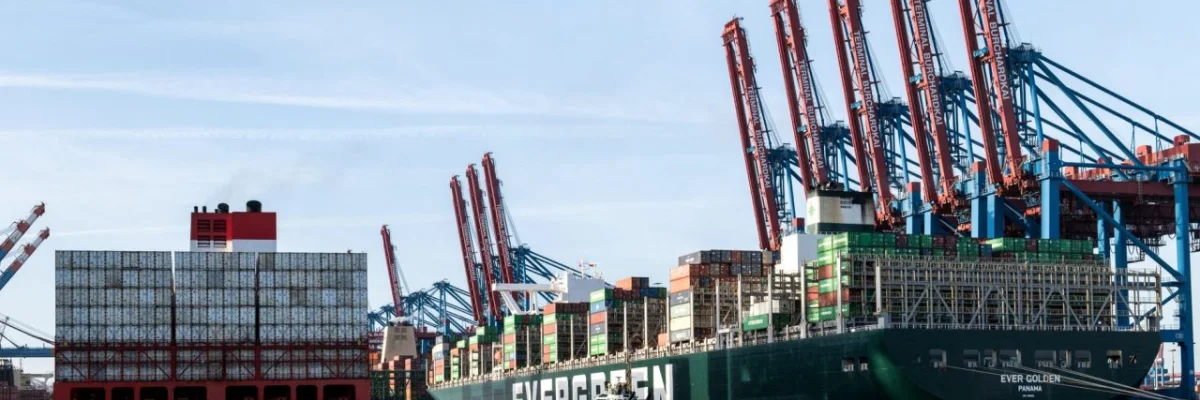
In the fast-paced world of international logistics, the ability to provide accurate and real-time shipment updates is the hallmark of a premier freight forwarder. As clients demand greater transparency across the supply chain, professionals must leverage advanced digital tools to navigate complex shipping routes and unforeseen delays. Transitioning from manual tracking methods to integrated cloud-based platforms allows companies to enhance communication and maintain competitive advantages. By adopting sophisticated data-driven approaches, forwarders can proactively manage exceptions, reduce operational bottlenecks, and foster lasting relationships with global partners while ensuring that every shipment arrives at its final destination safely and on schedule.
Optimizing Shipment Visibility
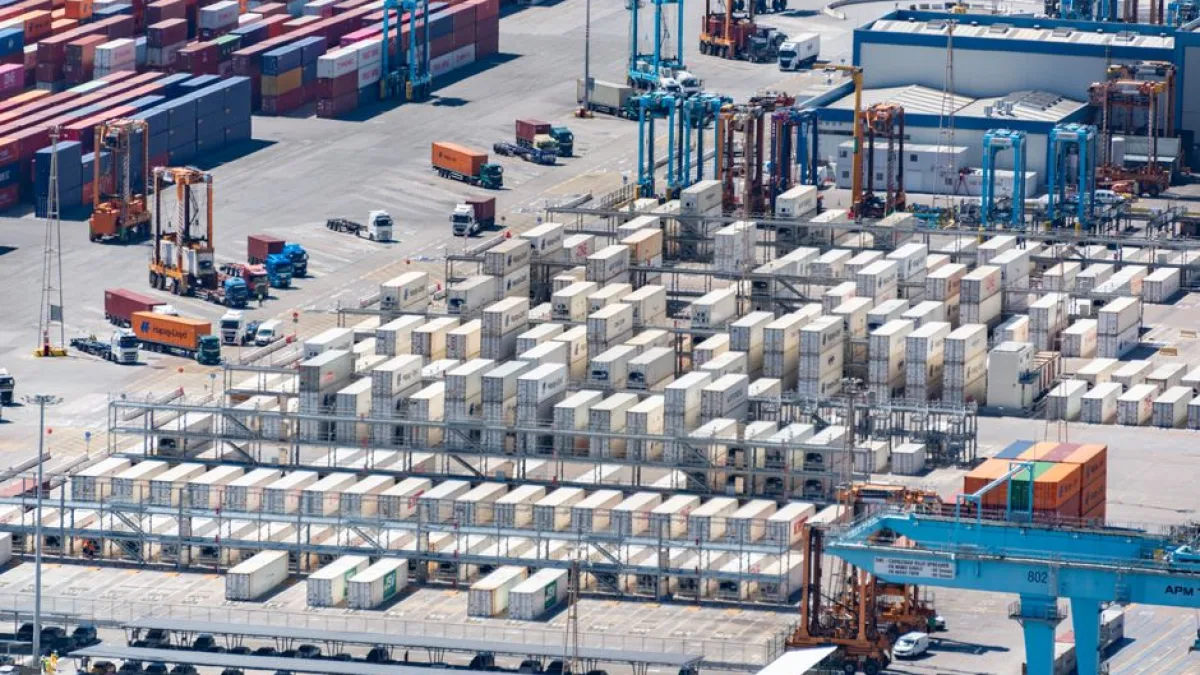
Visibility remains the cornerstone of modern logistics operations. By integrating automated tracking solutions, forwarders can gain a bird's eye view of inventory movement. This level of clarity helps in identifying potential transit bottlenecks before they escalate into costly problems for clients.
- Real-time data access: Integrating live data feeds allows your team to monitor vessel positions constantly, ensuring that any route deviations are identified and communicated to stakeholders with maximum speed.
- Automated status updates: Automated notifications reduce the need for constant manual inquiries, allowing your staff to focus on strategic planning rather than repeatedly checking basic shipment tracking logs daily.
- Centralized data dashboard: Consolidating shipment information into a single cloud-based interface eliminates data silos, providing a consistent source of truth for your entire logistics team and your clients.
- Enhanced client portals: Providing customers with secure access to their own tracking dashboards increases trust, as they can monitor their cargo progress independently without waiting for email updates.
Achieving complete shipment visibility is no longer just a luxury but a fundamental necessity for companies operating in global markets. When forwarders utilize digital platforms to share transparent updates, they significantly improve client satisfaction levels. Furthermore, the proactive nature of these tools allows businesses to anticipate transit issues early, maintaining operational efficiency even when navigating the complexities of international trade and customs clearance requirements.
Reducing Operational Transit Delays
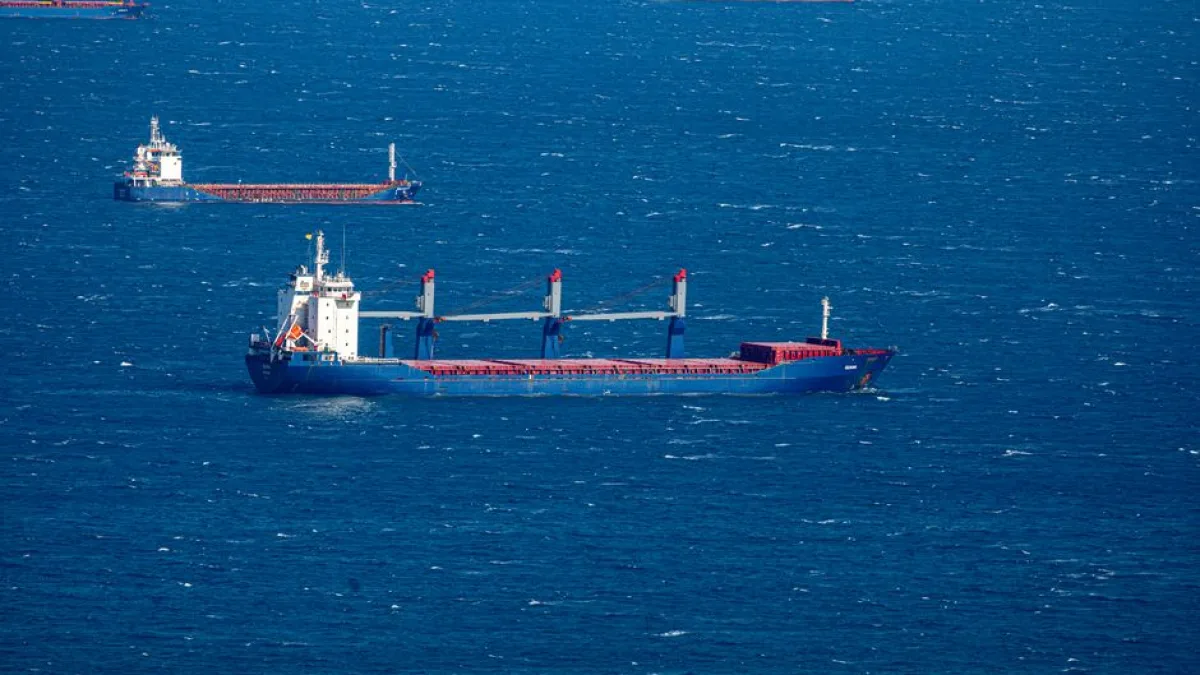
Delays are an inevitable reality of international freight forwarding, but they do not have to be unmanageable. By utilizing predictive analytics, teams can anticipate potential disruptions and create contingency plans that keep supply chains moving even during unpredictable weather events.
- Predictive delay warnings: Advanced software analyzes weather patterns and port congestion data to warn you about potential transit delays before they officially impact your scheduled delivery arrival times.
- Dynamic route planning: Access to real-time information allows forwarders to adjust shipping routes on the fly, avoiding high-risk areas or heavily congested ports that may delay critical shipments.
- Automated exception management: Workflow automation triggers instant alerts for your logistics team when a shipment moves outside of expected parameters, enabling quick intervention to mitigate further delivery delays.
- Improved carrier coordination: Maintaining clear lines of communication with carriers ensures that you receive the most accurate information regarding vessel schedules and potential port handling slowdowns locally.
Proactive management of shipping delays differentiates successful forwarders from those still relying on reactive communication tactics. When your team can predict and circumvent disruptions, you minimize the financial burden placed on clients during the transit process. This reliability builds long-term loyalty and establishes your company as a dependable partner capable of handling the most challenging logistical scenarios with ease and professional expertise.
Leveraging Real Time Analytics

Data is the most valuable asset in the modern supply chain. By analyzing historical shipping data and current tracking trends, forwarders can extract actionable insights that lead to better decision-making processes and more accurate performance forecasting for future operations.
- Performance metric analysis: Reviewing historical transit times helps you identify which carriers provide the most reliable service, allowing you to make data-driven decisions during your annual negotiations.
- Customized performance reports: Generate automated reports for your clients to demonstrate your team's value through transparent metrics, showing exactly how you improved efficiency across their specific supply chains.
- Trend forecasting tools: Utilize advanced software to identify seasonal demand shifts or recurring port congestion patterns, preparing your business to handle peak shipping volumes with greater ease.
- Cost reduction identification: Analyzing shipping patterns often reveals hidden inefficiencies, such as repetitive carrier delays or suboptimal routing, that can be optimized to lower overall logistics expenditures annually.
Turning raw tracking data into strategic intelligence is how industry leaders stay ahead of the curve. By consistently monitoring key performance indicators, your company can optimize its internal processes and deliver superior service. This analytical approach not only saves time but also identifies significant cost-saving opportunities that strengthen your bottom line, ensuring your forwarding business remains profitable and competitive in a crowded market.
Enhancing Customer Communication Standards

Effective communication is the bridge between a logistical success and a dissatisfied client. Standardizing how your team shares tracking updates ensures that every customer receives consistent, professional service, regardless of who is managing their specific freight shipment or the transit route.
- Automated email templates: Ensure that every notification sent to your customers follows a professional format, providing clear, concise information about their cargo status without any unnecessary confusion involved.
- Integrated communication history: Keeping all client correspondence tied to a specific shipment ID ensures that any team member can pick up the conversation and assist immediately.
- Proactive status alerts: Sending status notifications at key milestones keeps the customer feeling informed and valued, which significantly reduces the volume of inbound phone calls and emails.
- Personalized client services: Tailor your communication preferences based on specific client needs, ensuring that key stakeholders receive the precise level of detail they require for their business.
Building strong customer relationships requires a commitment to consistent and transparent communication practices. By leveraging digital platforms to automate and personalize your status updates, you create a seamless experience for your clients. This level of professionalism reinforces your reputation as a dedicated freight forwarder who values transparency, ultimately leading to higher client retention rates and new growth opportunities for your logistics firm.
Conclusion

Adopting digital tracking solutions is essential for any modern freight forwarder striving for excellence. By integrating visibility tools, managing delays proactively, and utilizing data analytics, you can streamline operations significantly. These practices not only improve client trust but also optimize internal efficiency for long-term success. Start implementing these strategies today to transform your freight forwarding services and secure a leading position within the industry.