Mastering Global Logistics Tracking for Freight Forwarders
Thursday, August 27 2026
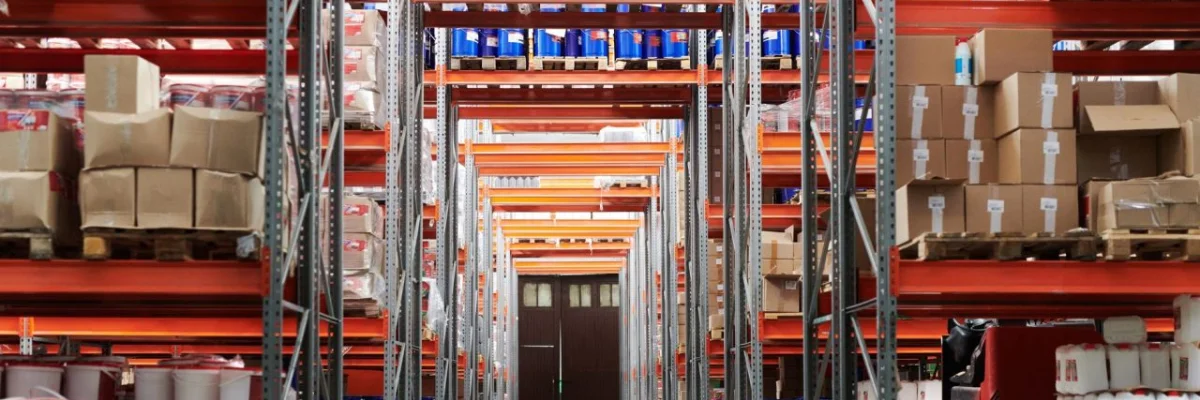
In the rapidly evolving world of international trade, the ability to provide real-time visibility is the primary differentiator for freight forwarders. Clients now demand instant updates on cargo status, making manual tracking spreadsheets a relic of the past. As supply chains grow more complex and global disruptions become frequent, adopting a robust digital tracking strategy is no longer optional. This shift toward total transparency fosters trust, reduces operational friction, and allows forwarders to proactively manage exceptions before they impact the bottom line. Modern cloud platforms now empower logistics teams to transform raw data into a powerful competitive advantage for their business.
The Evolution of Visibility

Advanced digital dashboards have revolutionized how forwarders monitor cargo movements across borders. By integrating live carrier data into a single interface, professionals can see the status of every shipment without constantly calling port authorities or carriers for status updates.
- Real time connectivity: Integrating with carrier APIs ensures that your tracking information is updated instantly, removing the reliance on manual entry and reducing human error across your entire logistics operation.
- Centralized data access: Having a single source of truth allows your team to access shipment history and status updates from anywhere, fostering better collaboration and faster decision making processes globally.
- Automated status alerts: Configure customized notifications to inform your clients whenever a shipment reaches a specific milestone, ensuring that they stay informed without requiring your team to send manual emails.
- Exception management tools: Identify delays or transit issues early through automated alerts, allowing you to inform your customers and provide alternative routing solutions before the shipment is severely impacted overall.
- Client portal transparency: Empower your customers with a secure login to view their cargo progress, which significantly reduces the time your staff spends on responding to basic shipment status inquiries.
Transitioning to automated systems eliminates the bottlenecks inherent in legacy communication methods. By leveraging cloud based platforms, freight forwarders can provide a seamless experience that satisfies modern customer expectations for speed and accuracy. This proactive approach to data management turns routine logistics tasks into opportunities for building stronger client loyalty while simultaneously lowering overhead costs associated with manual administrative work and constant status reporting.
Leveraging Predictive Analytics
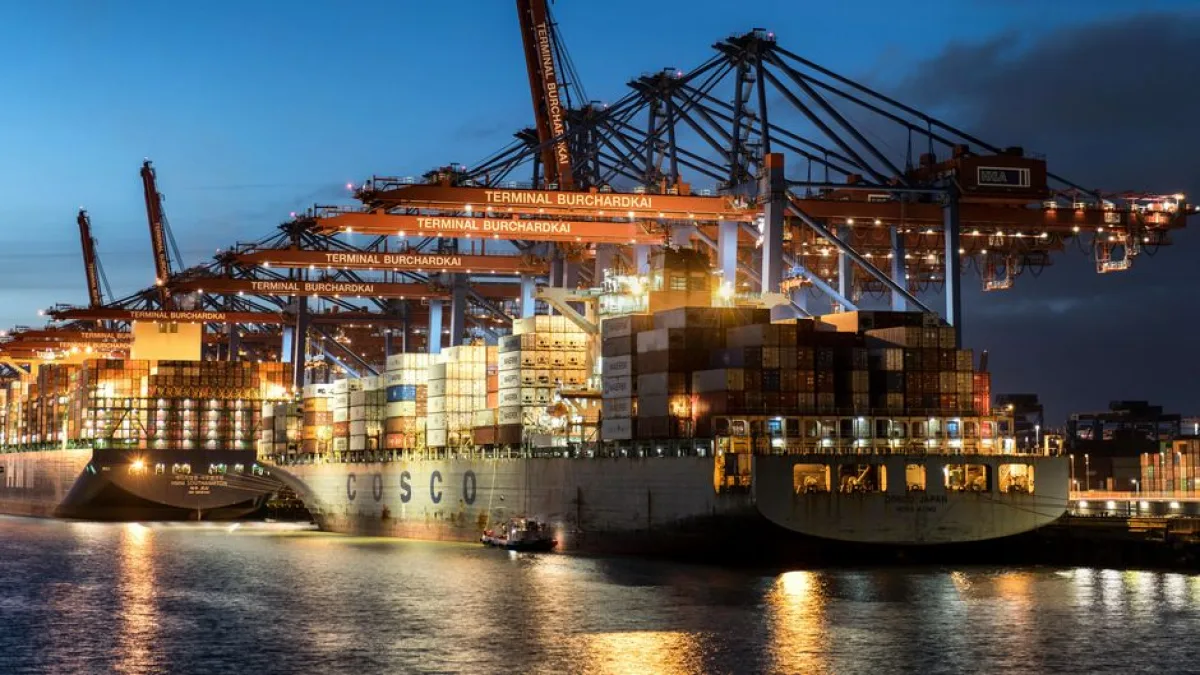
Predictive analytics uses historical data and machine learning to forecast potential delays in ocean and air freight. By understanding patterns in port congestion or weather, forwarders can anticipate challenges and adjust their logistics planning to avoid costly disruptions for their clients.
- Historical performance trends: Analyzing past shipment data helps you identify reliable carriers and routes, enabling you to make smarter logistics decisions that minimize the risk of future transit delays.
- Congestion forecasting tools: Predict potential bottlenecks at major global ports by monitoring traffic patterns, which allows your team to suggest alternative ports or modes of transport for urgent shipments.
- Risk assessment modeling: Quantify the probability of shipment issues based on historical weather and political factors, providing your clients with data driven insights for their complex supply chain strategies.
- Dynamic routing optimization: Suggest the most efficient transit routes by using live data analytics, ensuring that your customers receive their goods in the fastest time possible while controlling costs.
- Proactive schedule management: Gain a competitive edge by identifying transit gaps early, allowing you to adjust delivery timelines before they escalate into major customer complaints or financial penalties.
Utilizing predictive tools shifts your team from a reactive stance to a strategic partnership model. When you can provide data backed warnings rather than post-mortem explanations for delays, you earn the position of a trusted advisor. This evolution in the freight forwarding role secures long term client retention and enhances your firm reputation as an industry leader that values efficiency and foresight above everything else.
Automating Communication Workflows

Communication is the backbone of freight forwarding, yet it often becomes a bottleneck when handled manually. Automating client communications through integrated platforms ensures that stakeholders receive accurate information consistently, regardless of the shipment volume or the complexity of the global transit route.
- Template based updates: Standardize your client communication using automated templates that pull live data, ensuring professional and accurate information is delivered consistently every single time you send an update.
- Multi channel integration: Connect your tracking platform with email or SMS services to reach clients wherever they are, ensuring that critical shipment information is delivered immediately and reliably.
- Document sharing automation: Automatically trigger requests for necessary customs documentation as soon as a shipment reaches a specific milestone, preventing delays during the critical import and export clearance phases.
- Unified communication logs: Keep a complete audit trail of every conversation and update shared with your clients, which simplifies dispute resolution and improves overall transparency across your business.
- Customized report generation: Schedule automated reports to be sent to your clients weekly or monthly, providing them with a comprehensive overview of their supply chain performance without extra effort.
Efficiency in communication saves significant time and reduces the risk of misinterpretation. By automating the routine flow of information, your staff can focus their energy on high value problem solving and relationship building. This focus on seamless information exchange creates a frictionless experience that encourages clients to scale their operations with your company, knowing that their cargo data is consistently managed professionally.
Building Resilience Through Data

True supply chain resilience is built upon the foundation of clean and accessible data. When freight forwarders maintain a structured digital record of all logistics activities, they can navigate crises with agility and provide clients with the confidence needed to weather unexpected global supply chain disruptions.
- Data integrity standards: Enforce strict data entry protocols to ensure that all information in your system is accurate, which is essential for generating reliable reports and long term performance analysis.
- Scalable cloud infrastructure: Utilize cloud based systems that grow alongside your business, ensuring that your tracking capabilities remain effective even as your shipment volumes increase over the coming years.
- Internal performance auditing: Use your data archives to conduct regular performance reviews, identifying areas for operational improvement to keep your freight forwarding services fast and highly cost effective.
- Enhanced cargo visibility: Improve tracking precision by integrating with advanced IoT tracking devices, giving you granular detail on cargo condition and location throughout the entire international transport journey.
- Secure information handling: Protect sensitive logistics data with enterprise grade security features, providing your clients with peace of mind regarding the privacy and integrity of their supply chain information.
Data is the most valuable asset in modern logistics, serving as the bridge between current operations and future success. By investing in systems that prioritize visibility and accuracy, you are building a resilient firm capable of handling global challenges. This commitment to data excellence establishes a standard of service that differentiates your business in a crowded market while ensuring sustained growth and client satisfaction.
Conclusion
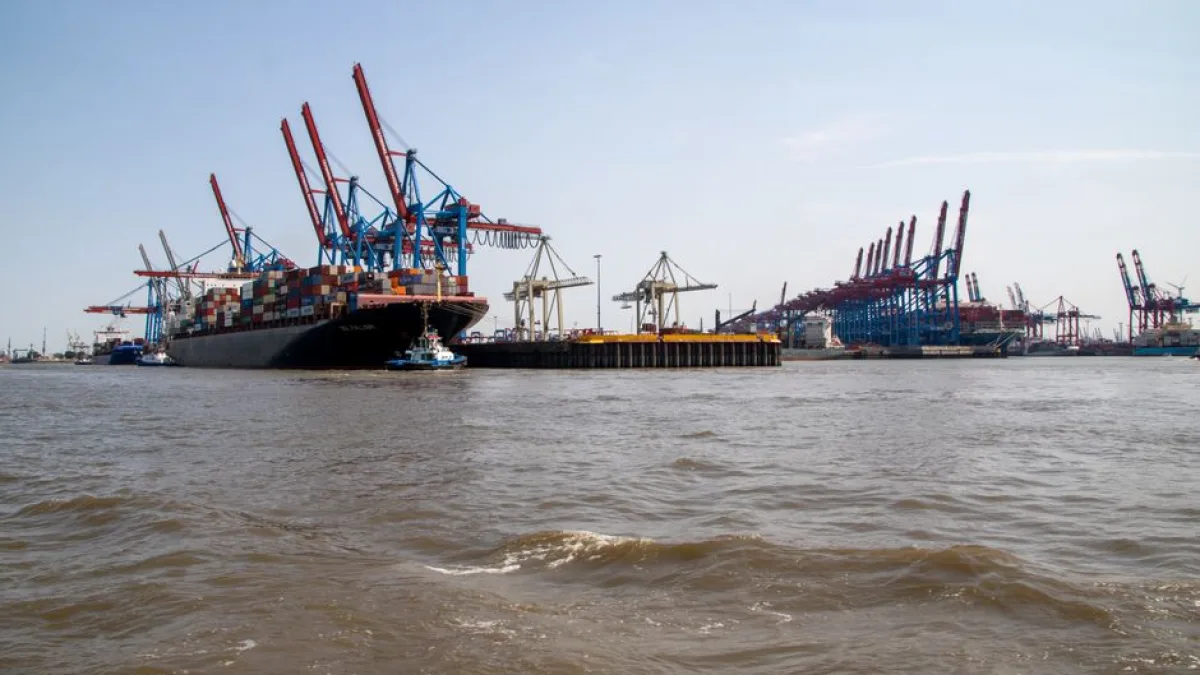
Modernizing your tracking strategy is the most effective way to elevate your freight forwarding business. By embracing automation, predictive analytics, and centralized communication, you create a transparent and reliable service that wins loyal clients. Invest in the right technology today to secure your position as a forward thinking leader in the global logistics industry and watch your operational efficiency reach new heights of success.