Mastering Global Logistics Tracking for Modern Freight Forwarders
Saturday, August 29 2026

In the fast-paced world of international logistics, the ability to provide real-time visibility is the primary differentiator between successful freight forwarders and their competitors. As supply chains become increasingly complex, clients demand instant access to shipment status, location, and potential delay notifications. Leveraging cloud-based technology allows logistics providers to consolidate disparate data points into a single, cohesive dashboard that enhances operational transparency. By adopting advanced tracking tools, forwarders can proactively manage exceptions, reduce manual status inquiries, and build stronger long-term relationships with global shippers who require absolute reliability throughout every stage of the transit process.
The Evolution of Visibility
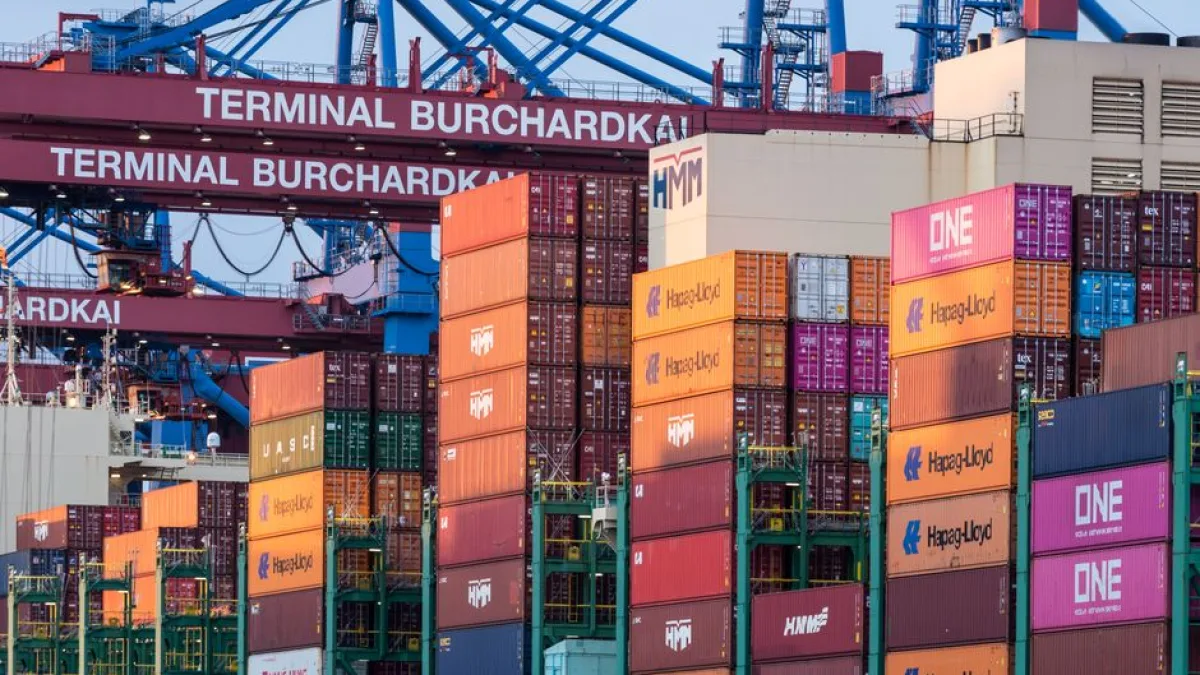
Modern visibility has moved beyond basic milestone updates toward predictive analytics and automated carrier integrations. This shift enables forwarders to monitor transit phases in real time, ensuring that stakeholders receive accurate data while minimizing the overhead associated with traditional phone-based inquiries.
- Automated Data Feeds: Integration with ocean carrier APIs ensures that status updates populate directly into your software without requiring manual data entry from your operations team or agents.
- Predictive Arrival Estimates: Sophisticated algorithms analyze historical vessel performance and weather patterns to provide more accurate arrival times than standard carrier schedules offer to your logistics clients.
- Proactive Exception Alerts: Automated notifications alert your internal teams as soon as a shipment deviates from the planned route, allowing you to implement corrective measures immediately and efficiently.
- Client Self-Service Portals: Providing your customers with a secure web portal reduces the volume of status-check emails while significantly increasing trust and transparency for all parties.
Transitioning from manual tracking processes to automated systems fundamentally changes how your firm interacts with global partners. By eliminating time-consuming administrative tasks, your team gains the freedom to focus on high-value activities such as strategic account management and complex problem solving. Modernizing your digital infrastructure today ensures that your freight forwarding business remains agile and capable of meeting the rising expectations of modern trade participants.
Optimizing Carrier Data Streams

Reliable logistics tracking relies on the quality and frequency of data received from carriers. Consolidating these fragmented streams into a centralized platform provides a unified view, preventing information silos and reducing the errors that occur during cross-referencing different documents.
- Standardized Data Formatting: Your software should automatically normalize disparate information formats from various carriers, turning raw EDI messages into clear and actionable shipment milestones for your operators.
- Unified Carrier Integration: Connecting directly with major shipping lines allows your platform to ingest tracking events, bills of lading, and vessel departure data into one ecosystem.
- Reduced Data Latency: High-speed cloud connections minimize the time gap between a physical event occurring at a port and that event appearing within your internal dashboard.
- Granular Shipment Tracking: Monitoring container-level events provides deep insights into the lifecycle of each unit, ensuring nothing goes missing during busy port handoffs or intermodal transfers.
Aggregating complex data streams is essential for maintaining a competitive edge in global markets. When your software acts as a single source of truth, operational efficiency improves significantly across every department. This digital maturity not only speeds up internal workflows but also empowers your team to deliver high-quality logistics services that reflect the true technological capabilities of your modern forwarding organization.
Managing Supply Chain Exceptions
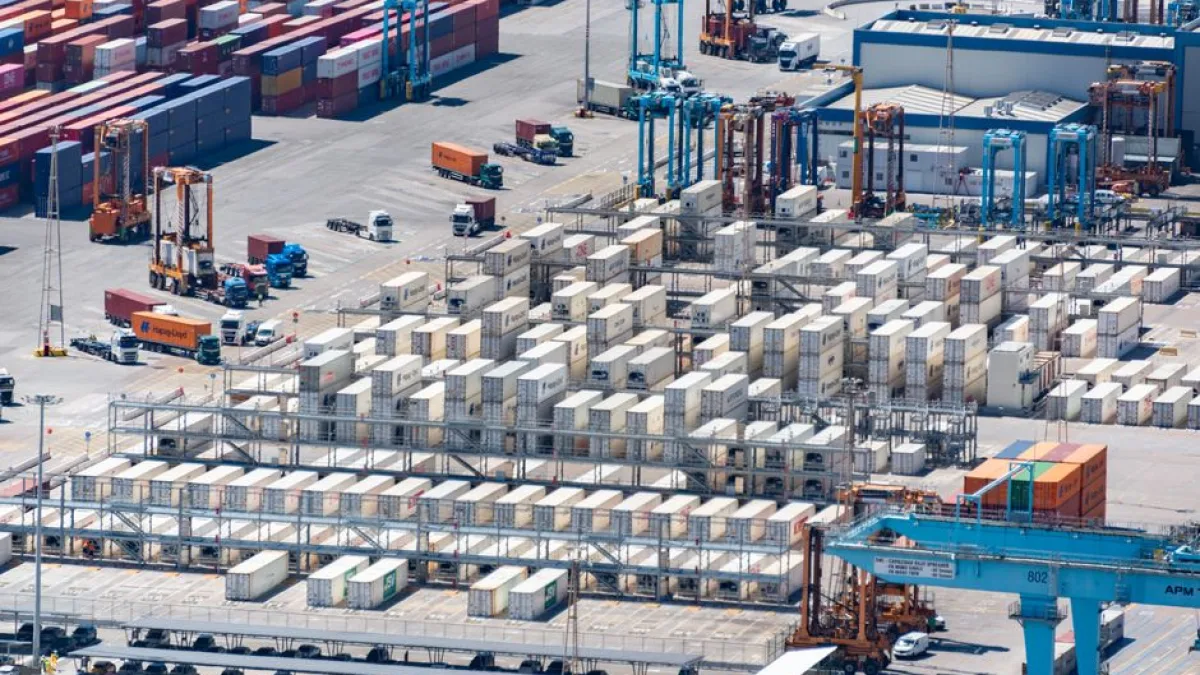
Disruptions are inevitable in global shipping, but how a forwarder handles them defines their professional reputation. Effective tracking tools facilitate rapid response times, allowing teams to reroute cargo and communicate with customers before small issues escalate into major delivery failures.
- Real Time Contingency Planning: When a port experiences congestion, your team can leverage tracking insights to divert shipments to alternative terminals, avoiding long-term delays for your clients.
- Automated Client Notifications: Pre-defined communication triggers inform shippers of specific delays instantly, demonstrating transparency even when the news is difficult for stakeholders to hear during transit.
- Historical Performance Analytics: Reviewing past transit data helps your team identify unreliable lanes or carriers, enabling you to optimize future shipping routes for better consistency and speed.
- Collaborative Issue Resolution: Shared tracking links allow your operations team to coordinate with warehouse managers and trucking partners in one place, ensuring everyone works toward resolution.
Handling exceptions with speed and precision is the ultimate test for any freight forwarder. By utilizing a robust digital platform, you transform reactive chaos into a structured management process that prioritizes client success. Demonstrating this level of expertise during difficult periods solidifies your status as a reliable logistics partner. Strategic use of tracking data turns every operational disruption into a display of professional competence.
Enhancing Customer Trust

Transparency serves as the cornerstone of customer retention in the freight forwarding industry. When clients have direct access to accurate tracking information, their anxiety regarding shipment status disappears, leading to higher satisfaction levels and increased loyalty toward your brokerage and logistics services.
- Customizable Client Dashboards: Tailor the information visible to your high-value shippers, ensuring they see exactly what they need without being overwhelmed by excessive internal operational data points.
- Branded Tracking Interfaces: Providing tracking pages that feature your own company logo reinforces your brand identity, keeping your firm front-of-mind every time a customer checks status.
- Data-Driven Reporting: Monthly performance reports generated from your tracking system show clients exactly how much value you provide through successful routing and effective communication efforts.
- Secure Access Controls: Manage permissions carefully to ensure that clients only view relevant shipments, maintaining strict data privacy while delivering a seamless and professional user experience overall.
Building long-term client trust requires consistent performance and clear communication throughout the shipping journey. By providing a professional, technology-driven experience, you distinguish your services from legacy forwarders who rely on manual updates. This investment in client experience not only stabilizes your current revenue streams but also positions your company for sustainable growth within an increasingly digital and demanding international shipping industry sector.
Conclusion
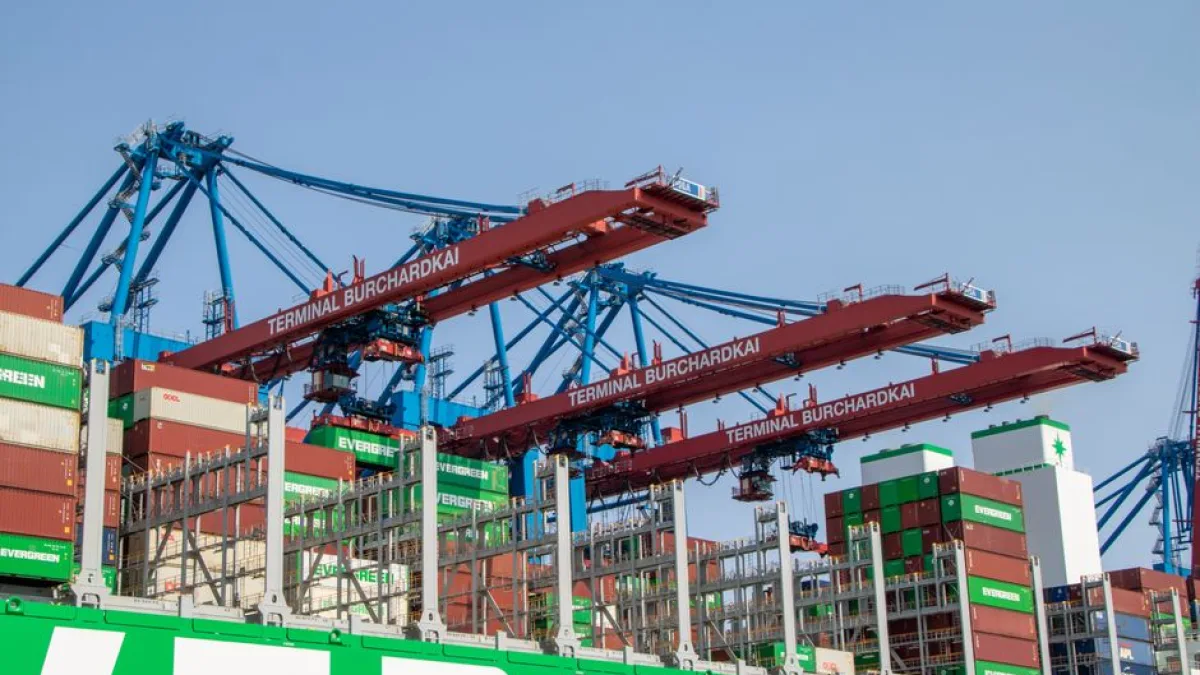
Digital transformation in logistics tracking is no longer optional for forwarders aiming to succeed. By integrating automated data feeds, optimizing carrier streams, managing exceptions proactively, and prioritizing client transparency, your team can achieve unmatched operational excellence. Start modernizing your freight forwarding workflow today to meet the future of global commerce with confidence. Contact our team to see how our platform streamlines your daily shipping operations.