Mastering Global Logistics Tracking for Modern Freight Forwarders
Sunday, August 30 2026

In the fast-paced world of international trade, the ability to monitor cargo movement in real time has shifted from a competitive advantage to an absolute operational necessity. Freight forwarders are currently navigating an era defined by high customer expectations, where stakeholders demand instant transparency across every leg of the supply chain. By integrating advanced digital tracking solutions, logistics providers can effectively mitigate risks, improve communication protocols, and enhance overall service delivery. Embracing these technological innovations allows companies to remain agile, reduce manual administrative burdens, and build lasting trust with clients who rely on precise data to manage their complex global business operations.
The Importance of Real Time Data
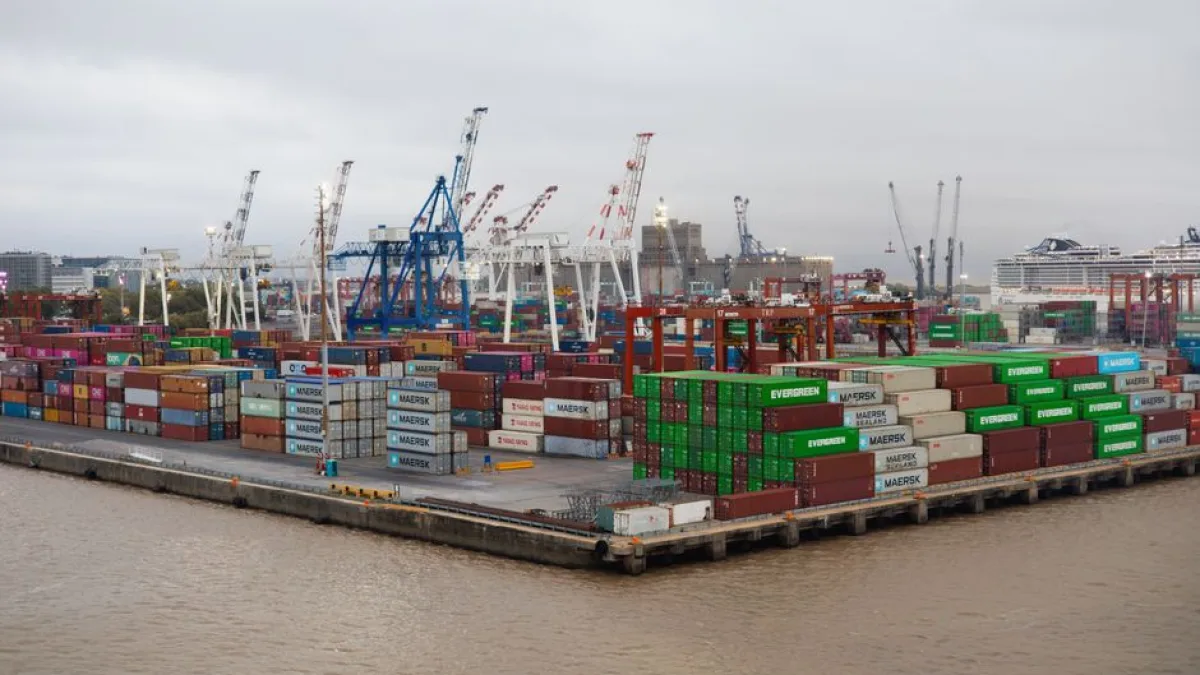
Digital visibility transforms how forwarders interact with clients by providing continuous updates on container status. Leveraging integrated software systems ensures that every participant in the logistics chain accesses the same accurate information, effectively reducing the frequency of manual status inquiries.
- Improved Shipment Accuracy: Real time data feeds ensure that your logistics team always possesses the most current location details to prevent delays and manage client expectations with full confidence.
- Proactive Problem Solving: Accessing live tracking information allows logistics professionals to identify potential bottlenecks or weather related disruptions long before they impact the final delivery schedule for customers.
- Enhanced Client Trust: Transparency remains a cornerstone of professional service and sharing live location updates helps build stronger relationships with shippers who value reliable and consistent communication.
- Reduced Administrative Costs: Automating the status update process saves valuable time for your staff by eliminating the need to manually track shipments through phone calls and email threads.
- Optimized Operational Flow: Integrating data streams into your dashboard allows for better resource allocation, ensuring that your team stays focused on strategic growth rather than basic status checks.
By prioritizing the flow of accurate data, forwarders can significantly enhance their reputation in a crowded marketplace. Clients appreciate when problems are anticipated rather than reactive, and digital tools provide the necessary foresight to handle complex shipping lanes. Maintaining a clean flow of information between parties effectively streamlines operations and ensures that your internal teams remain focused on delivering exceptional value to global partners.
Integrating API Technology Effectively

Modern freight forwarding platforms utilize Application Programming Interfaces to connect disparate systems seamlessly. This architectural approach allows for the automatic synchronization of carrier data, ensuring that your central software dashboard reflects the most current shipment milestones without manual entry.
- Seamless Data Sync: Automated API connections bridge the gap between carrier systems and your internal platform to ensure that data remains consistent across all global shipping operations daily.
- Increased System Agility: Adopting flexible software solutions allows your business to scale operations quickly while maintaining a high level of connectivity with partners and international logistics service providers.
- Standardized Information Formats: Standardizing incoming data from multiple carriers into a unified interface simplifies the monitoring process and reduces errors that stem from inconsistent manual reporting formats used.
- Automated Notification Systems: Setting up custom triggers ensures that stakeholders receive immediate alerts regarding shipment milestones, which reduces the need for constant manual monitoring by your logistics team members.
- Future Proof Infrastructure: Investing in robust API connectivity prepares your agency for technological shifts, ensuring you remain compatible with new tracking innovations and evolving global shipping standards constantly.
The transition toward API based tracking represents a fundamental shift in how logistics firms manage their daily workflows. Instead of toggling between different carrier portals, your team can rely on a single source of truth. This centralized management style reduces human error and frees up your staff to handle high level logistics planning, ultimately driving higher productivity and better long term financial outcomes.
Managing Exception Based Logistics

Exception management identifies deviations from planned routes or schedules before they escalate into major disruptions. By monitoring status milestones closely, freight forwarders can deploy contingency plans quickly to protect cargo integrity and maintain reliable transit times for their global partners.
- Early Warning Systems: Intelligent monitoring tools detect delays automatically, allowing your team to inform clients and arrange alternative routing strategies before the shipment experiences a significant operational delay event.
- Streamlined Communication Chains: When an exception occurs, instant notification workflows ensure that the right stakeholders are informed immediately, which facilitates rapid decision making and minimizes potential negative impacts.
- Performance Metric Analysis: Tracking exceptions over time helps identify persistent issues with specific carriers or routes, enabling smarter logistics planning for future shipments and long term contract negotiations.
- Data Driven Contingencies: Accessing precise historical data allows your team to formulate effective backup plans that keep supply chains moving even during periods of significant global trade instability.
- Client Retention Focus: Addressing exceptions proactively demonstrates professional competence and commitment to service, which serves to keep your customers satisfied even when unexpected challenges arise during transit.
Effective exception management transforms potential crises into manageable operational tasks that your team can resolve with precision. Rather than fearing the unexpected, proactive freight forwarders view these events as opportunities to demonstrate superior service. By implementing sophisticated tracking tools that flag issues instantly, your firm can maintain a competitive edge and ensure that every delivery meets the high standards your clients expect.
Optimizing the Client Experience

A premium client experience is defined by the quality of tracking tools offered to your customers. Providing a branded, user friendly portal allows shippers to access data independently, creating a sense of autonomy while reinforcing your brand as a professional logistics partner.
- Branded Tracking Portals: Offering a custom tracking interface strengthens your brand identity while providing clients with a professional environment for checking the status of their various active shipments.
- Self Service Capabilities: Empowering clients to retrieve their own documentation and tracking updates reduces the demand on your support team, allowing them to focus on complex inquiries.
- Customized Reporting Tools: Allowing clients to generate their own performance reports creates value-added services that demonstrate how your firm actively contributes to their overall supply chain efficiency goals.
- Mobile Access Options: Ensuring that tracking data is accessible via mobile devices caters to the needs of modern executives who monitor their international logistics from various global locations.
- Feedback Loop Integration: Incorporating direct feedback mechanisms within the tracking portal helps you understand client needs, leading to continuous improvements in your overall digital service offerings and features.
Investing in the client side of tracking software is a direct investment in your business reputation. When customers feel empowered by the tools you provide, their loyalty increases significantly. By combining robust backend data with a polished frontend interface, you ensure that your logistics agency remains the top choice for shippers who demand reliability, transparency, and a modern approach to global supply chain management.
Conclusion

Successful tracking strategies rely on a combination of robust technology and a commitment to radical transparency. By adopting automated data tools and prioritizing the client experience, freight forwarders can navigate the complexities of global logistics with ease. Implementing these practices today prepares your agency for the challenges of tomorrow, ensuring you remain a trusted partner for clients navigating the ever evolving world of international freight.