Mastering Global Logistics Tracking for Freight Forwarders
Thursday, September 3 2026
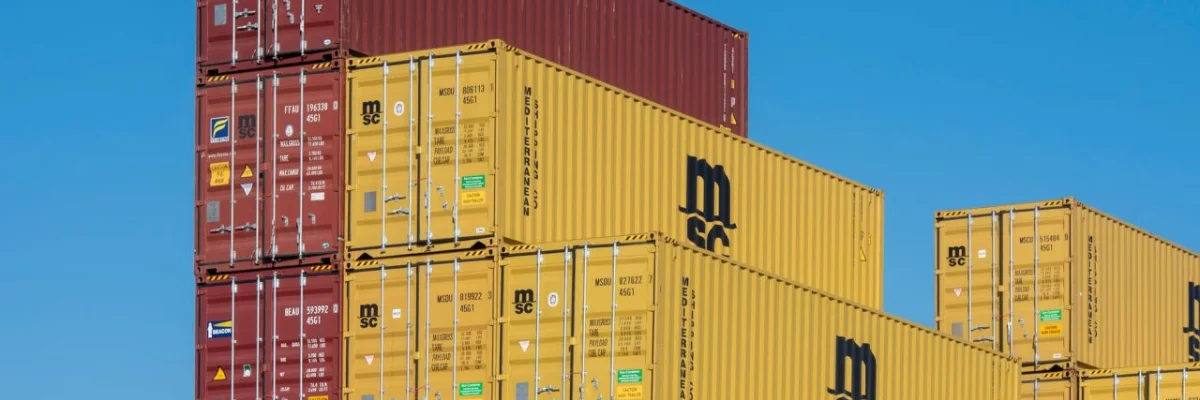
In the rapidly evolving world of international trade, the ability to provide real-time visibility is no longer a luxury but a fundamental necessity for freight forwarders. Clients now demand instant updates on their shipments, expecting total transparency from departure to final delivery. By leveraging cloud-based platforms like MakeCargo, logistics professionals can bridge the communication gap, reduce operational bottlenecks, and elevate the standard of customer service. Embracing digital tracking solutions allows your team to move away from reactive troubleshooting toward proactive management, ultimately building stronger long-term partnerships and ensuring that every stakeholder remains informed throughout the entire complex supply chain journey.
Real-Time Data Accuracy

Modern tracking relies heavily on the quality of data streaming into your central hub. By integrating live carrier feeds, your operations team can avoid manual entry errors and provide clients with reliable milestones that reflect the true status of their cargo.
- Centralized Information Hub: Consolidating data from multiple carriers into a single interface eliminates the need to jump between external portals, saving your team valuable time during busy peak shipping seasons.
- Automated Status Updates: Configure your system to push automatic notifications to customers whenever a shipment hits a key checkpoint, ensuring consistent engagement without requiring manual intervention from your logistics staff.
- Error Reduction Strategies: Automated synchronization minimizes human input, which prevents typical data entry mistakes and ensures that billing information remains accurate during the entire lifecycle of the freight shipment.
- Predictive Milestone Tracking: Advanced systems leverage historical data to provide accurate arrival estimates, helping your clients prepare their warehouses and inventory teams for incoming shipments well before they arrive.
Precision in data management directly correlates to your company reputation and operational efficiency. By centralizing information through intelligent software, you minimize the risk of miscommunication and costly delays. This proactive approach turns standard shipping tasks into a competitive advantage. When clients trust your data, they are more likely to increase their shipment volumes, providing your business with a stable foundation for long-term growth.
Predictive Supply Chain Visibility

Anticipating potential delays before they impact your clients is the hallmark of a top-tier freight forwarder. Modern tracking software uses predictive analytics to alert teams about weather, port congestion, or mechanical issues, allowing for rapid alternative planning.
- Proactive Risk Mitigation: Identifying potential bottlenecks early gives you the flexibility to reroute shipments or adjust timelines, preserving your service level agreements and keeping complex supply chains flowing smoothly.
- Congestion Alert Systems: Receive immediate warnings regarding port strikes or heavy congestion at major hubs, which allows your logistics coordinators to inform stakeholders before significant backlogs affect delivery schedules.
- Weather Impact Assessment: Integration with global climate data providers helps you foresee disruptive storms, enabling you to suggest alternative shipping routes that ensure cargo safety and predictable delivery times.
- Exception Management Workflow: Establishing clear protocols for handling delays ensures that your staff handles issues systematically, keeping the communication channel open and transparent during every unexpected logistics crisis encountered.
Visibility is about knowing what will happen next as much as knowing what has already occurred. By utilizing predictive tools, your freight forwarding business demonstrates a high level of professionalism that clients value during uncertain market conditions. Positioning yourself as a proactive partner rather than a reactive service provider secures your market position. Build trust through foresight and provide the clarity your clients deserve.
Enhancing Customer Communication

Clear communication is the bridge between a simple service provider and a trusted strategic partner. Utilizing dedicated portals allows your clients to self-serve information, reducing the burden on your support team while maintaining a high level of customer satisfaction.
- Self-Service Portals: Empower your clients to access their own shipment status and documentation through a secure online portal, which provides 24/7 access to information without demanding direct staff support.
- Customized Reporting Tools: Provide tailored reports that highlight the specific metrics your clients care about, such as transit time, shipping costs, or carbon emissions for their monthly supply chain reviews.
- Integrated Messaging Features: Use secure internal chat tools linked to specific shipments, ensuring that all discussions are archived and accessible to authorized team members for seamless collaboration and accountability.
- Document Accessibility: Offer instant downloads for invoices, bills of lading, and customs paperwork, significantly speeding up the administrative workflow and helping your clients manage their own internal records efficiently.
Effective communication transforms the logistics experience by reducing anxiety and fostering transparency. When clients can access information independently, they feel more in control of their own supply chains. This shift allows your team to focus on strategic tasks rather than answering repetitive status requests. Consistent, high-quality interaction builds the loyalty necessary to succeed in the fast-paced global freight industry over many years.
Scalable Tracking Infrastructure

As your forwarding business grows, your tracking infrastructure must scale accordingly without compromising on performance. A cloud-based platform ensures that your operations remain flexible, allowing you to handle larger volumes of cargo across diverse global routes effortlessly.
- Global Connectivity Options: Leverage API integrations with international shipping lines and trucking fleets to maintain a consistent tracking standard regardless of the geographic complexity or the carriers being used.
- Cloud-Based System Flexibility: Access your logistics data from any location in the world, allowing your team to operate efficiently across different time zones or remote working environments without interruption.
- Unlimited Data Storage: Modern digital platforms offer scalable solutions for housing massive amounts of logistics data, ensuring that your historical records are always available for future performance audits.
- User Access Management: Control permissions based on roles, ensuring that both internal staff and external customers see only the information they require for their specific tasks or accounts.
Scalability ensures that your operations remain robust regardless of growth spurts or seasonal fluctuations. Choosing a flexible tracking framework allows you to pivot quickly in response to market demands and new logistical challenges. By investing in a system that grows alongside your company, you secure your operational longevity and efficiency. Stay ahead by building a scalable foundation that supports your vision for expansion.
Conclusion

Mastering the art of shipping and tracking requires a commitment to both advanced technology and human expertise. By implementing the strategies outlined in this guide, freight forwarders can provide superior service while optimizing their internal workflows. MakeCargo provides the essential tools to achieve this balance effectively. Start streamlining your tracking processes today to enhance transparency, improve client satisfaction, and grow your professional logistics business.