Mastering Global Logistics Tracking for Modern Freight Forwarders
Friday, September 11 2026
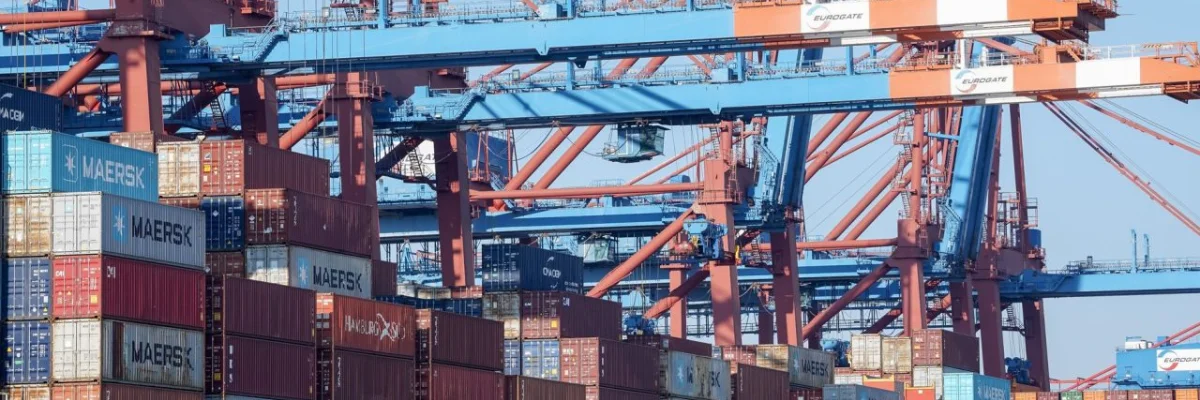
In the fast-paced world of global trade, freight forwarders face increasing pressure to provide real-time visibility across complex supply chains. Clients today expect immediate status updates, requiring logistics professionals to abandon manual tracking methods in favor of integrated, cloud-based software solutions. By leveraging advanced digital tools, forwarders can minimize human error, reduce communication delays, and proactively handle potential disruptions. This transition not only enhances operational efficiency but also builds lasting client trust by providing the transparency necessary to navigate today's unpredictable market conditions with confidence, speed, and precision for all parties involved in the logistics chain.
The Evolution of Real-Time Tracking

Modern tracking systems have moved beyond basic milestones to provide deep, granular visibility into every stage of a shipment journey. These digital dashboards allow forwarders to monitor cargo movement, identify delays early, and provide clients with accurate, data-driven delivery estimates consistently.
- Automated status updates: Cloud software integrates directly with carrier APIs to pull live data, ensuring that your tracking dashboard reflects the latest position of every single container shipment.
- Predictive delay warnings: Advanced algorithms analyze historical route data and current weather patterns to alert your operations team about potential bottlenecks before they actually impact your client deadlines.
- Custom client portals: Providing customers with secure, white-labeled access to their shipment data reduces repetitive status inquiry emails and empowers them to self-serve information at any hour.
- Document management integration: Linking your digital tracking events directly to relevant bills of lading or customs forms creates a single source of truth for your entire internal team.
Adopting automated tracking tools transforms the way forwarders manage their daily operations by removing the burden of manual status reporting. As you integrate these systems into your workflow, you create a more resilient business model that thrives on data accuracy. This shift allows your staff to focus on strategic client relationship management rather than searching for lost emails or making constant phone calls.
Optimizing Ocean Freight Visibility
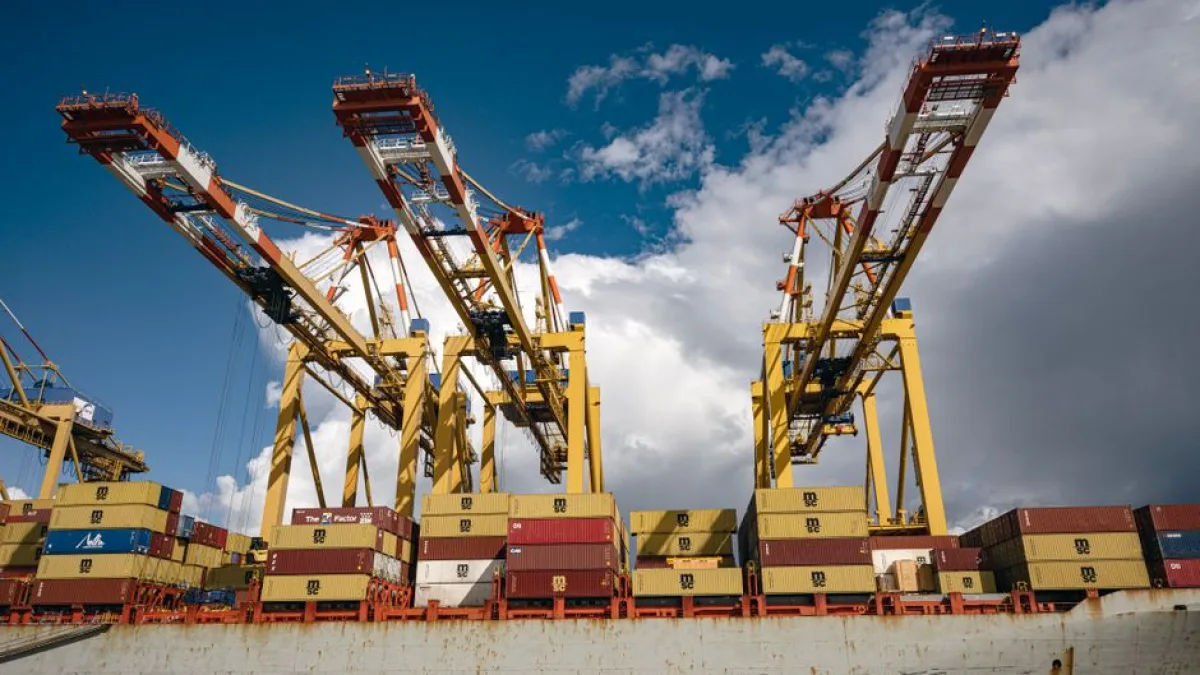
Ocean freight remains the backbone of global commerce, yet it is notoriously difficult to track due to transshipment points and port congestion. Modern software bridges these gaps by aggregating carrier data to provide a seamless overview of maritime transit.
- Port congestion analytics: Stay informed about current terminal dwell times and vessel congestion at major hubs to proactively adjust your client expectations for final landside delivery dates.
- Transshipment point monitoring: Detailed tracking logs record every single port call, ensuring you maintain full oversight even when cargo moves through multiple vessels and complex international networks.
- Carrier performance benchmarking: Evaluate which shipping lines offer the most reliable transit times for specific trade lanes by analyzing historical tracking data collected directly within your platform.
- Automatic exception alerts: Receive immediate notifications for unforeseen vessel skips or port omissions, allowing your team to rebook space or alert customers well before any cargo damage occurs.
Visibility in ocean freight is no longer a luxury but a fundamental requirement for staying competitive in the international shipping market. By utilizing smart tracking tools, forwarders can gain a bird-eye view of their global operations, ensuring that ocean cargo flows smoothly from port to port. This high level of oversight drastically reduces client anxiety and helps maintain supply chain integrity worldwide.
Streamlining Landside Logistics Coordination

Last mile delivery and inland transport often present the biggest challenges for freight forwarders. Integrating GPS tracking with landside logistics software ensures that final delivery milestones are recorded with the same level of accuracy as major international ocean freight movements.
- Integrated GPS tracking: Link driver mobile applications with your central software to get live updates on truck locations, ensuring that final delivery windows are met with precision.
- Proof of delivery: Digital signatures and photo uploads captured via mobile apps provide instant, verified confirmation that shipments arrived at the destination in the correct condition.
- Resource capacity planning: Analyze your ground transport data to better understand vehicle utilization rates, which helps in negotiating better rates with your local trucking sub-contractors annually.
- Optimized route planning: Use integrated software tools to suggest the most efficient driving routes, helping your partners save on fuel costs while increasing their overall daily volume.
Effective landside coordination requires a blend of real-time communication and robust software integration to succeed consistently. When forwarders take control of the inland portion of the journey, they provide a complete door-to-door service that clients value immensely. By digitizing these final steps, you eliminate many common bottlenecks and improve the reliability of your total logistics solution for every single import shipment.
Enhancing Client Communication Cycles

Clear communication is the hallmark of a successful freight forwarding business. Automated tracking alerts ensure that your clients receive timely information without the need for manual intervention, effectively strengthening your professional reputation and increasing overall long-term client retention rates.
- Automated email notifications: Configure custom triggers that automatically send milestone updates to clients, ensuring they stay informed without your operations team needing to write manual status emails.
- Proactive issue resolution: When tracking data indicates a delay, you have the head start needed to communicate solutions to your clients before they even notice the issue.
- Standardized reporting formats: Deliver consistent, professional tracking reports that align with your company branding, making your communications easily recognizable and simple for your clients to digest.
- Transparent history logs: Maintain an accessible archive of every communication and tracking event, which provides valuable evidence if a dispute regarding shipment timing or liability ever arises.
Investing in clear communication cycles pays off by freeing your team from repetitive tasks and improving the quality of your customer service. When your clients feel confident in the information you provide, they are far more likely to return for future shipments. Mastering this flow of information is essential for scaling your business operations and maintaining high standards in a busy market.
Conclusion

Advanced tracking tools are vital for modern freight forwarders who want to scale their operations while maintaining high service quality. By embracing cloud-based technology, you provide the visibility and transparency that clients demand today. Start integrating these digital solutions into your workflow to streamline daily tasks, reduce operational costs, and solidify your position as a trusted partner in the global supply chain industry for years.