Mastering Global Logistics Tracking for Modern Freight Forwarders
Tuesday, September 15 2026

In the fast-paced world of international trade, the ability to track shipments with pinpoint accuracy has shifted from a luxury to an absolute necessity. Freight forwarders are currently navigating a landscape defined by complex supply chain disruptions, fluctuating carrier schedules, and growing demands from shippers for total transparency. By leveraging cloud-based platforms like MakeCargo, forwarders can transform raw data into actionable insights, ensuring that every milestone is monitored in real-time. Adopting advanced digital tracking strategies allows your team to mitigate risks, optimize operational efficiency, and provide the proactive communication that your clients expect in today's competitive logistics environment.
The Evolution of Visibility

Modern digital tools have fundamentally altered how logistics providers monitor cargo movement across global borders. By integrating automated tracking solutions, forwarders can move past reactive status updates and embrace a proactive approach that anticipates potential bottlenecks before they impact the final delivery.
- Real time connectivity: Cloud software integrates directly with carrier APIs to pull live status updates, eliminating the need for manual data entry or endless email inquiries with shipping lines.
- Centralized data access: Consolidating tracking information into a single interface allows your operations team to monitor every shipment status without switching between multiple legacy portal systems or spreadsheets.
- Automated status notifications: Configuring custom triggers ensures that your clients receive immediate, branded updates via email or portal alerts whenever a shipment hits a new milestone or delay.
- Historical performance metrics: Advanced tracking logs generate detailed reports on carrier reliability, enabling you to make data-driven decisions when selecting future transportation partners for your specific trade routes.
Digital visibility is no longer just about knowing where a container is located on a map. It serves as the foundation for building long-term trust with your cargo owners. By providing consistent, accurate data flow, you differentiate your service offering and reduce the administrative burden on your staff, allowing your team to focus their time on complex exceptions rather than routine status checks.
Optimizing Warehouse Integration

Efficient tracking must extend beyond the ocean vessel to include warehouse activities and terminal handling procedures. Integrating your inventory management systems with freight forwarding software ensures that cargo status remains visible during every transition point within your physical logistics network.
- Inventory scan synchronization: Barcode and RFID scanning technologies automatically sync with your freight platform to confirm cargo intake, pick and pack operations, and final loading procedures at origin.
- Accurate stock levels: Maintaining a live connection to your warehouse management system prevents errors in inventory reporting and ensures that your documentation matches the actual cargo status.
- Cross docking efficiency: Tracking shipments during cross docking phases reduces dwell time and minimizes the risk of lost cargo in busy terminal environments by assigning unique identifiers.
- Document workflow automation: Linking warehouse scans to your digital document repository ensures that packing lists and manifests are generated instantly, speeding up the overall customs clearance process.
When warehouse operations sync perfectly with your digital tracking platform, you minimize manual errors and accelerate the speed of the supply chain. This level of integration supports faster processing times, which is essential for businesses dealing with time-sensitive goods. By removing the friction between physical handling and digital reporting, your forwarder business operates as a cohesive, high-performance unit capable of handling massive volumes.
Managing Exception Handling
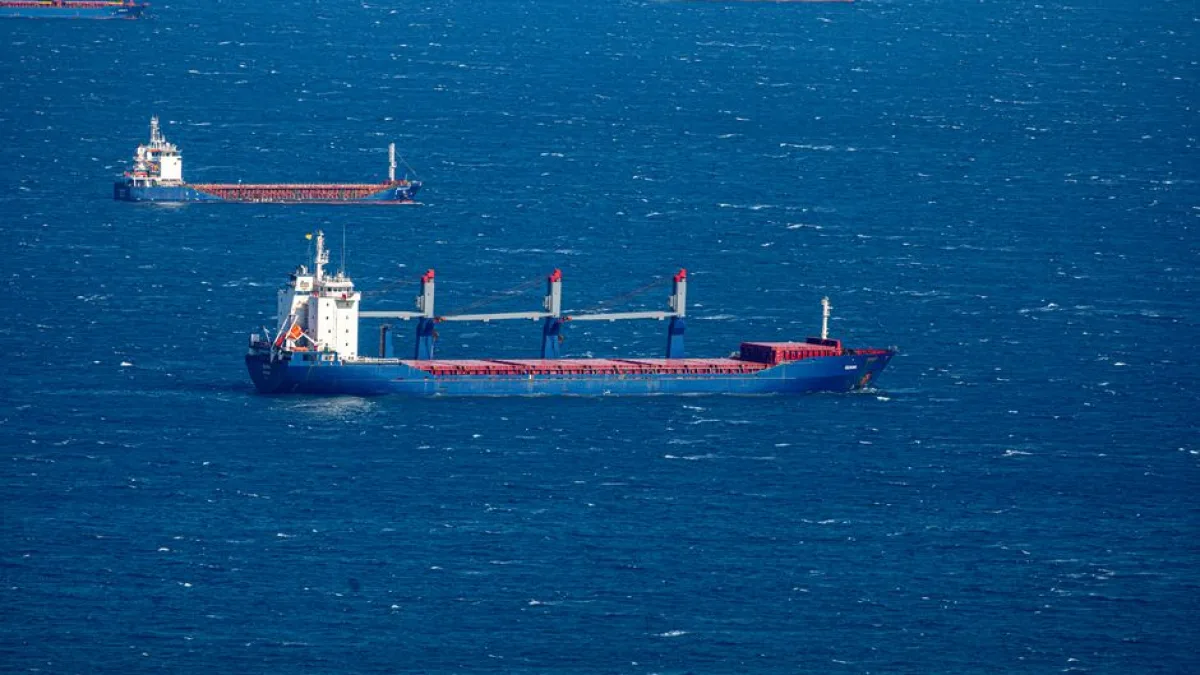
Shipment delays are an inevitable part of the freight industry, yet they do not have to result in client frustration. Effective exception handling relies on the speed at which your team identifies a problem and communicates a concrete solution to the stakeholder.
- Proactive delay alerts: Intelligent monitoring algorithms detect discrepancies in schedules, allowing your operations team to intervene and notify affected clients before they even notice the potential delay.
- Scenario planning tools: Having access to alternative routing options within your software helps your team quickly reroute cargo when primary transit paths face unexpected port congestion or shutdowns.
- Collaborative resolution boards: Dedicated messaging features allow you to coordinate with trucking partners and customs brokers to resolve documentation issues without losing valuable time in long threads.
- Transparent client updates: Communicating bad news early with supporting evidence from your tracking dashboard keeps the relationship professional and prevents the panic that often stems from silence.
Managing exceptions successfully is the hallmark of a premier freight forwarding partner. Instead of hiding behind generic status updates, top-tier firms use data to provide transparency and potential solutions. By maintaining a structured workflow for handling disruptions, you prove your value to shippers who rely on your expertise to navigate the inevitable complexities of global trade, ensuring loyalty and repeat business.
Data Driven Decision Making

Utilizing the vast amounts of data captured during shipping and tracking provides forwarders with a distinct competitive advantage. Analytical tools turn static tracking records into strategic intelligence that guides your company toward greater profitability and operational stability over time.
- Carrier performance analysis: Identifying trends in transit times helps you negotiate better rates and choose carriers that prioritize reliability over low cost for your most important clients.
- Cost optimization strategies: Analyzing the true landed costs of various routes empowers your team to advise shippers on more efficient supply chain patterns that save both money and time.
- Predictive demand forecasting: Historical shipping volume data allows you to prepare for seasonal surges in activity, ensuring you have the capacity and staff ready to handle increased load.
- Service level benchmarks: Comparing your performance against industry standards helps identify areas for internal improvement and validates the quality of service you are providing to your customer base.
Data serves as the compass for your business growth. When you track every aspect of the shipping lifecycle, you gather the insights required to refine your processes and scale effectively. Transitioning to a data-led strategy ensures that your firm remains resilient, responsive, and ready to meet the evolving demands of the global market. Invest in your digital future by prioritizing accurate, actionable information today.
Conclusion
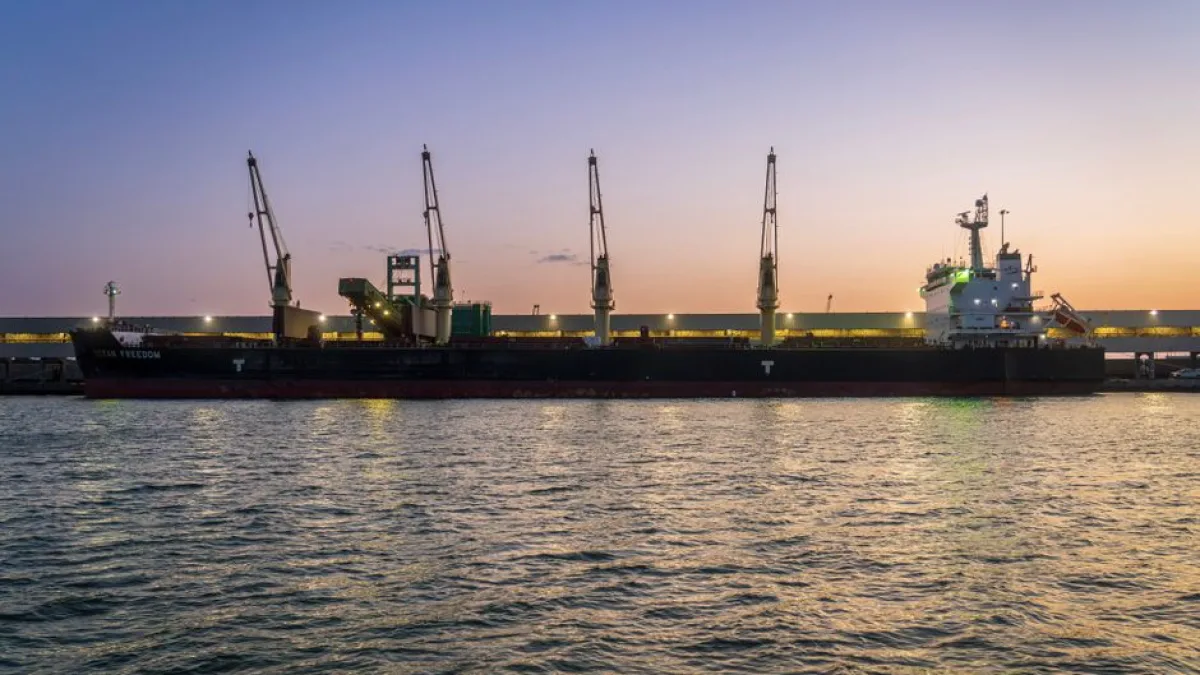
Advancing your tracking capabilities is a critical step in modernizing your freight forwarding firm. By integrating real-time visibility, warehouse efficiency, exception management, and data-driven insights into your daily operations, you deliver superior value to your shippers. MakeCargo offers the robust platform necessary to connect these vital functions, ensuring your business remains competitive and profitable. Start optimizing your logistics tracking workflows to drive long-term operational excellence.