Mastering Global Logistics Tracking for Freight Forwarders
Tuesday, September 15 2026
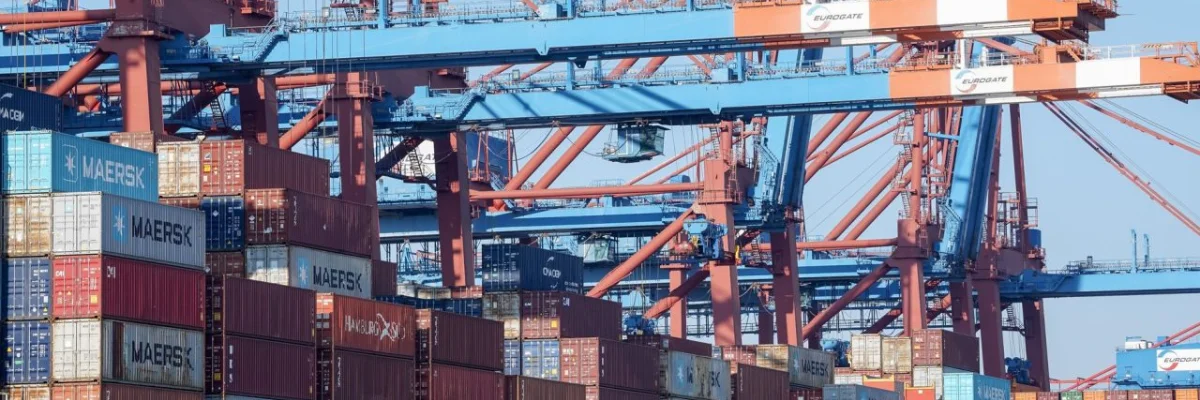
Modern logistics environments demand unprecedented levels of visibility as clients expect real-time updates on every move across the supply chain. For freight forwarders, the ability to manage complex tracking requirements is no longer a luxury but a fundamental necessity for operational survival. As global markets fluctuate and delays become more frequent, those who leverage digital tools to maintain transparency gain a significant competitive edge. This article explores how advanced tracking methodologies, when integrated into daily workflows, empower forwarders to solve complex delivery problems proactively, ultimately building long-term trust with shippers who value accuracy above everything else in their global transport operations.
Optimizing Real Time Visibility
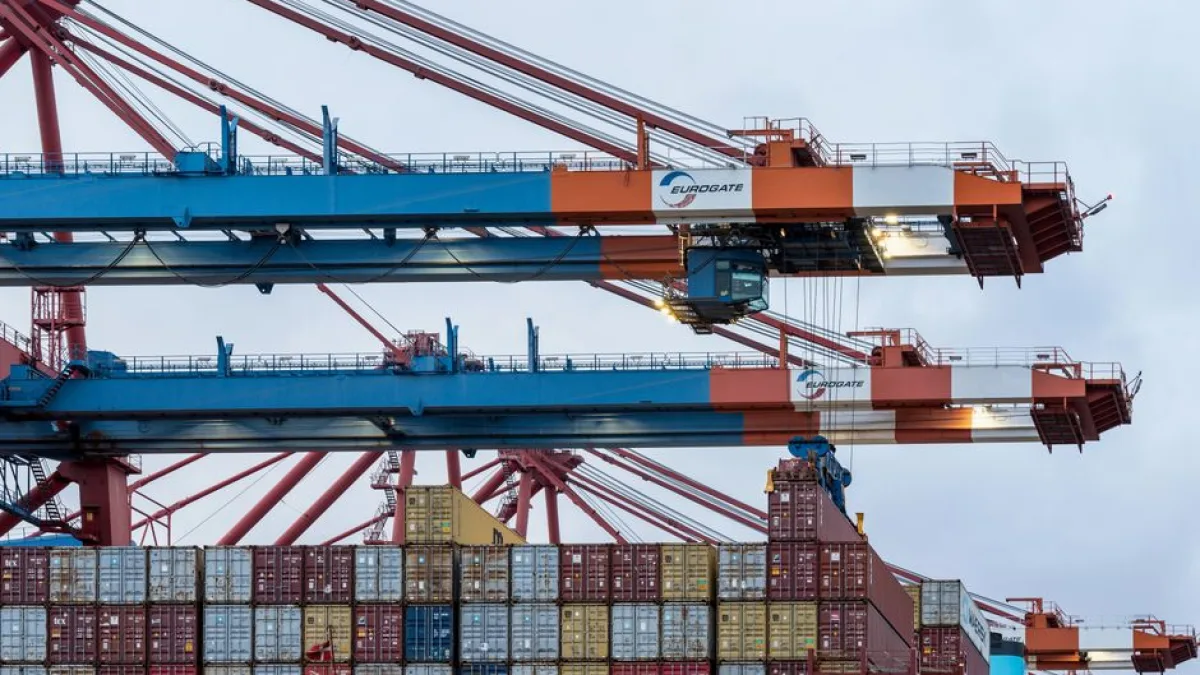
Maintaining constant surveillance over assets moving through busy international terminals requires robust digital integration. Real-time data streams provide a granular view of every container, ensuring that forwarders can identify potential disruptions early and provide accurate delivery timelines to their waiting clients.
- Automated Tracking Updates: Integration with ocean carrier APIs ensures that status changes are pushed directly into your platform without manual data entry, saving hours of administrative time each week.
- Predictive Delay Alerts: Advanced algorithms analyze historical weather patterns and port congestion data to warn your team about potential delays before they impact your cargo schedules significantly.
- Consolidated Shipment Views: Modern software dashboards pull data from multiple carriers into one central portal, allowing your team to monitor global shipments from a single unified screen.
- Enhanced Client Portals: Providing your shippers with access to a branded tracking page improves transparency, reduces inbound inquiry volume, and builds higher levels of customer satisfaction overall.
- Exception Management Tools: Workflow triggers alert your logistics coordinators immediately when a milestone is missed, enabling rapid resolution and keeping stakeholders informed during unexpected transit variations throughout the journey.
By streamlining how information flows between carriers and your internal systems, you transform the logistics experience from reactive to proactive. Reducing the time spent manually checking container status allows your staff to focus on higher value tasks, such as solving logistical bottlenecks or negotiating better rates with carriers. Reliability in data reporting ultimately serves as the backbone for sustainable growth in today's digital freight landscape.
Integrating Digital Logistics Platforms

Connecting fragmented data sources into a cohesive digital ecosystem is essential for modern freight operations. Cloud-based platforms allow forwarders to synchronize communication across departments and external partners, ensuring that everyone involved has access to the most accurate information regarding every active shipment.
- Seamless Cloud Integration: Connecting your existing accounting and warehouse software to your freight management system creates a single source of truth for all operational and financial documentation.
- API Driven Workflows: Custom connections allow your platform to talk directly to port authority systems and customs databases, accelerating clearance processes and reducing paperwork errors for shippers.
- Secure Data Sharing: Encrypted cloud storage ensures that sensitive shipping documentation remains protected while still being accessible to authorized stakeholders and remote team members during transit.
- Scalable System Infrastructure: Growing your forwarding business becomes easier when your software stack can handle increasing shipment volumes without sacrificing speed or reliability for your internal users.
- Unified Communication Hubs: Centralizing messages within the platform ensures that every stakeholder can review relevant updates, which minimizes confusion during complex multi-modal freight movements across borders.
Digital integration eliminates the siloed approach that often hinders progress in traditional shipping companies. When your data ecosystem works as a unified whole, productivity increases and operational costs decline. Investing in scalable cloud infrastructure prepares your agency to handle the demands of international trade with confidence, positioning your team to outperform competitors who rely on slower, manual data management practices daily.
Enhancing Customer Communication Standards

Consistent communication remains the primary indicator of quality in the eyes of most shippers. Providing clear, timely updates regarding status changes reinforces your commitment to service excellence, making your forwarding agency the preferred partner for clients who require absolute transparency and reliability.
- Automated Status Notifications: Configure your platform to send personalized email or SMS updates to clients whenever a significant milestone occurs during the international shipping or trucking process.
- Proactive Problem Solving: Communicating potential disruptions to clients before they ask shows a high level of professional care, which helps maintain strong relationships even during shipping delays.
- Branded Reporting Tools: Generate professional shipment reports that feature your company logo, providing a polished look that differentiates your brand from smaller, less tech-focused freight forwarding firms.
- Transparent Milestone Tracking: Displaying detailed milestone history allows your clients to track the progress of their goods through every leg of the trip with complete clarity.
- Feedback Collection Loops: Incorporating survey tools into your tracking portal allows you to gather instant client feedback on communication effectiveness, enabling continuous service improvements and refined protocols.
Clear communication builds trust faster than any marketing campaign ever could. By automating the delivery of critical information, you ensure that shippers feel in control of their cargo even when it is thousands of miles away. This commitment to transparency turns one-time customers into loyal, long-term partners who rely on your expertise to navigate the complexities of global logistics successfully.
Leveraging Analytics for Performance
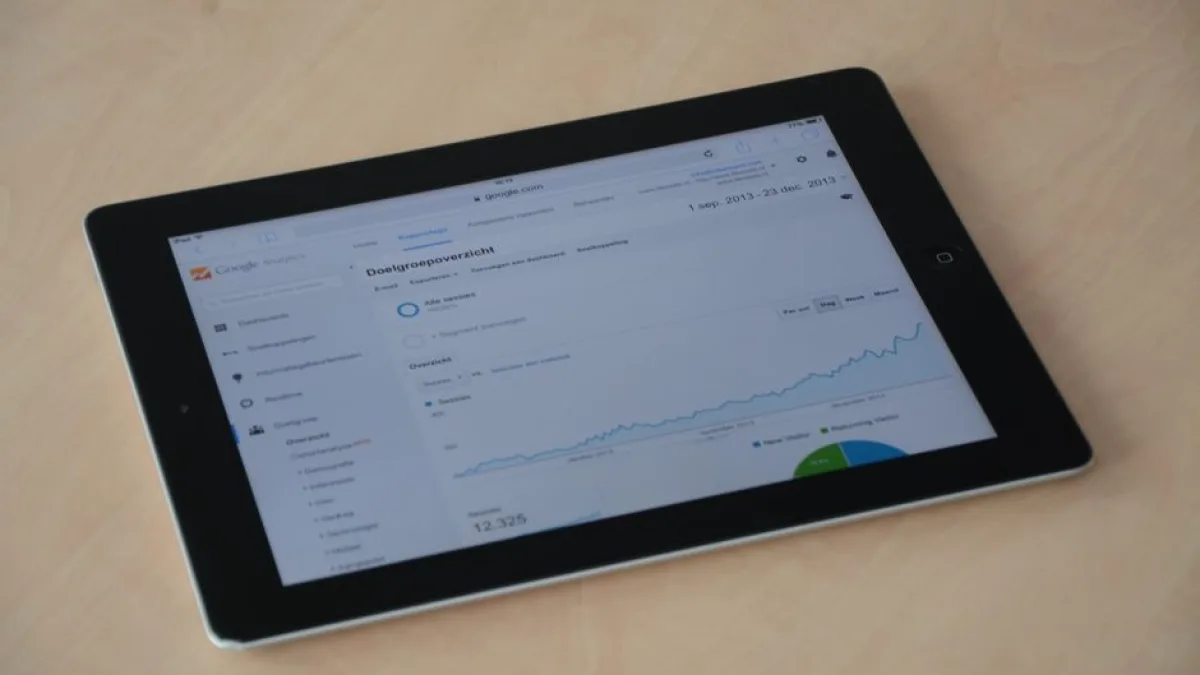
Data is the most valuable asset in modern logistics management when properly analyzed. By reviewing historical performance data, forwarders can identify trends, optimize routes, and improve the overall efficiency of their shipping operations while reducing unnecessary costs across their supply chains.
- Route Efficiency Analysis: Evaluating transit times across different carriers helps your team choose the most efficient shipping lanes for future bookings, reducing delays and optimizing cargo delivery.
- Carrier Performance Scoring: Tracking the reliability of your service partners allows you to rank them based on speed and accuracy, ensuring you always select the best vendors.
- Cost Trend Monitoring: Visualizing shipping expenses over time highlights opportunities to consolidate loads or negotiate better terms with carriers based on your actual volume data patterns.
- Operational Bottleneck Identification: Statistical reporting identifies the stages in your workflow where delays occur most frequently, giving you a clear roadmap for necessary process improvements and changes.
- Custom Dashboard Reporting: Tailor your analytics view to display metrics that matter most to your business, such as cargo dwell time or average document clearance speed monthly.
Data-driven decision making removes the guesswork from logistics management, allowing your company to operate with precision. When you understand the underlying mechanics of your shipping network, you can make strategic adjustments that significantly lower operational overhead. Empowering your team with actionable insights transforms raw information into a competitive advantage, ensuring that your agency stays ahead of industry trends and evolving client expectations.
Conclusion
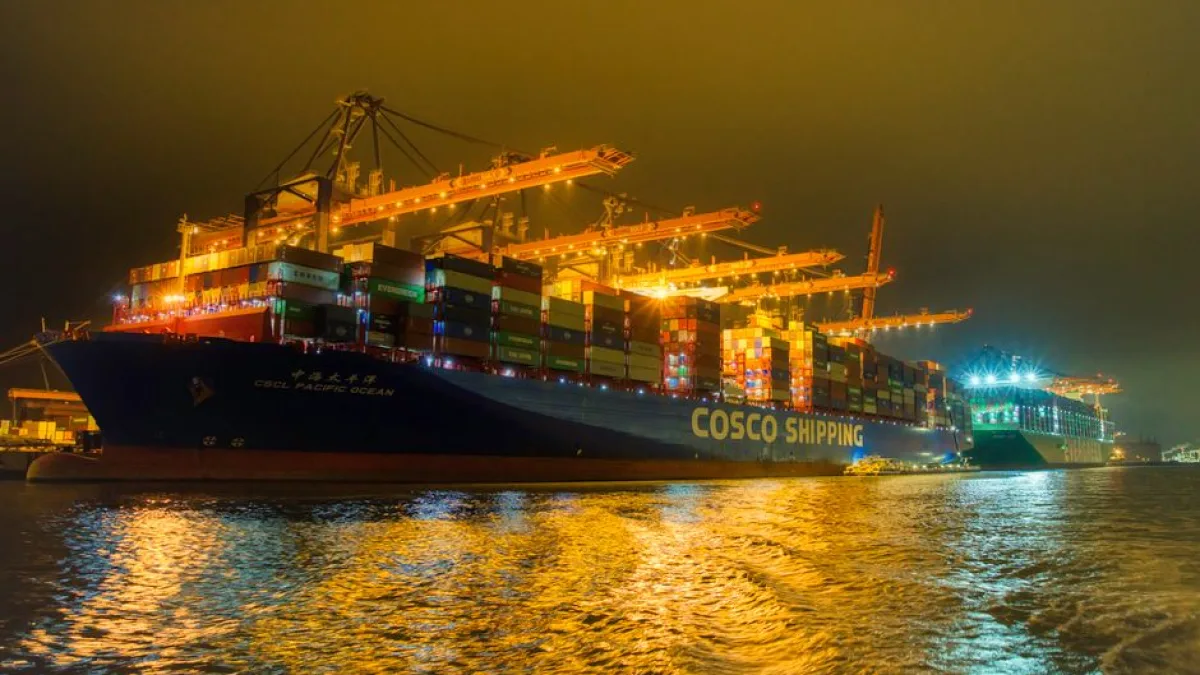
Mastering logistics tracking requires a balance between advanced software and strategic communication. By embracing digital tools, you can ensure transparency, optimize internal workflows, and deliver a superior experience to your clients. As global trade continues to evolve, staying updated with the latest technological advancements remains essential. Start your journey toward improved efficiency today by auditing your current systems and selecting the right cloud-based solutions.