Mastering Global Logistics Tracking for Freight Forwarders
Friday, September 18 2026

In the fast-paced world of international trade, the ability to monitor shipments in real time has transitioned from a luxury to an absolute necessity for freight forwarders. Clients today demand total transparency, requiring logistics providers to deliver precise status updates across complex global supply chains. By leveraging cloud-based platforms like MakeCargo, forwarders can aggregate siloed data into a single source of truth, effectively reducing communication overhead and minimizing manual errors. Mastering tracking processes not only enhances operational efficiency but also builds long-term trust with shippers who rely on your expertise to navigate the inherent volatility of modern maritime logistics.
The Importance of Real-Time Visibility

Digital visibility transforms how forwarders handle daily operations by providing immediate insights into vessel locations and port congestion. This clarity allows teams to proactively resolve bottlenecks before they escalate, ensuring that every shipment arrives at its destination within the expected delivery window.
- Automated status updates: Real-time API connections pull shipment data directly from carriers to your dashboard, ensuring that your clients receive the latest information without manual intervention or phone calls.
- Proactive delay management: Early detection of weather disruptions or port strikes allows forwarders to adjust routing strategies quickly, protecting cargo integrity and maintaining your reputation for reliable shipping services.
- Centralized data access: Consolidating tracking information into one cloud platform prevents document loss and confusion while providing your team with the analytical tools needed for better decision making.
- Increased operational transparency: Providing your customers with a branded portal encourages self-service tracking, which significantly lowers administrative costs and allows your staff to focus on high-value logistics tasks.
Adopting automated visibility tools is a critical step for forwarders aiming to stay competitive in an increasingly digital industry. By removing the guesswork from global transport, you empower your team to handle larger volumes with greater ease. This approach reduces the burden of repetitive updates, enabling a more strategic focus on growth, client satisfaction, and the long-term success of your forwarding business operations.
Integrating Data for Seamless Operations
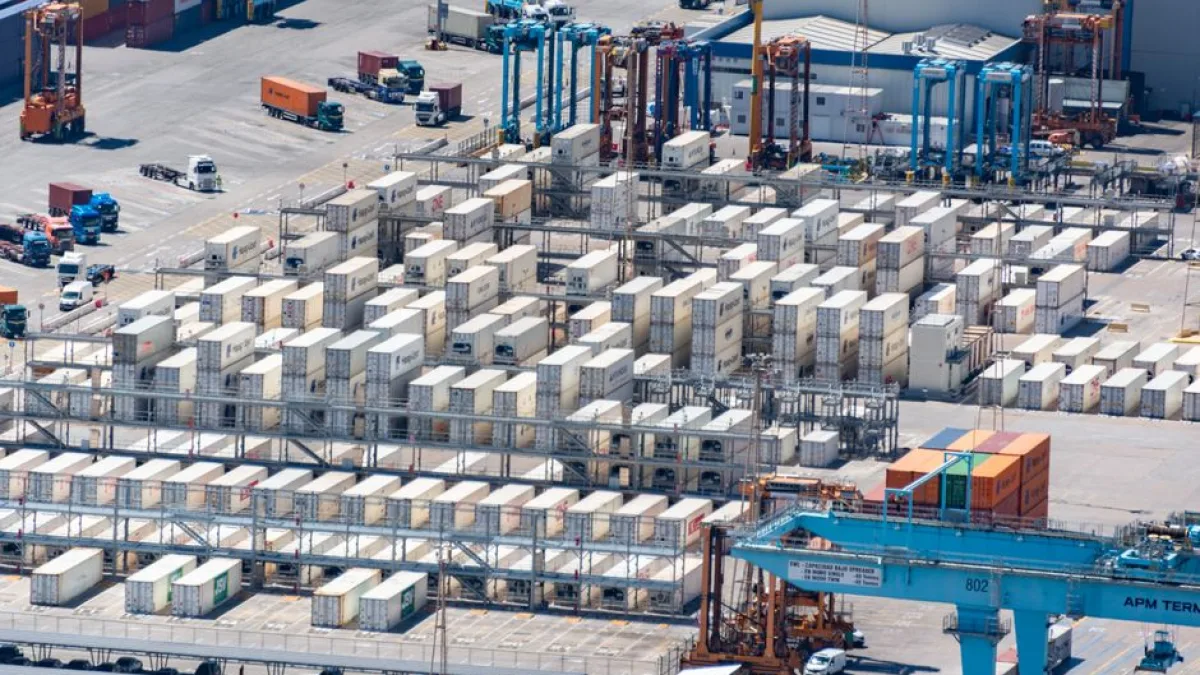
Successful integration requires connecting your existing freight software with carrier portals and customs systems to ensure a continuous flow of data. When your systems communicate effectively, manual data entry vanishes, allowing for a frictionless transition between different transport modes and nodes.
- API-driven connectivity: Modern platforms utilize powerful APIs to link disparate systems together, creating a unified flow of information that updates automatically across your entire logistics management infrastructure daily.
- Eliminating manual errors: Automating the transfer of tracking data from shipping lines removes the human element from status updates, which minimizes typos and reduces the risk of incorrect information.
- Standardized reporting formats: Using unified data structures ensures that all stakeholders, from warehouse managers to end customers, interpret shipment status updates in the exact same consistent manner today.
- Scalable system architecture: Cloud-based integration allows your operations to expand effortlessly, supporting higher shipment volumes without the need for additional headcount or complex manual tracking processes every day.
Seamless data integration serves as the backbone of an efficient freight forwarding business, acting as a catalyst for growth and improved service quality. As you build a more connected ecosystem, you gain deeper insights into your operational performance. This connectivity is essential for forwarders who want to provide a modern, reliable customer experience that stands out in a crowded global logistics market.
Enhancing Customer Communication Standards

Effective communication goes beyond basic notifications; it involves delivering actionable information that adds value to the client experience. By leveraging automated communication tools, forwarders can keep stakeholders informed through every stage of the shipment cycle, building credibility through consistent and accurate updates.
- Automated event notifications: Trigger instant alerts based on specific milestones, such as cargo arrival or customs clearance, so your customers remain fully informed throughout the entire transit process.
- Branded client portals: Providing a professional, branded interface for customers enhances your company image and reinforces the professional nature of your partnership with each individual shipper client.
- Customized alert preferences: Allowing clients to select how and when they receive updates puts them in control, fostering a sense of partnership and reducing unnecessary emails for everyone.
- Streamlined inquiry resolution: Shared access to tracking information reduces the volume of repetitive 'where is my cargo' emails, freeing your team to resolve more complex logistics challenges.
Improving your communication strategy is vital for maintaining high levels of client retention and satisfaction in the logistics sector. When customers feel empowered with accurate and timely data, they are more likely to trust your expertise and choose your services for future shipments. By focusing on clarity and accessibility, you turn routine tracking into a significant competitive advantage for your firm.
Leveraging Analytics for Future Planning
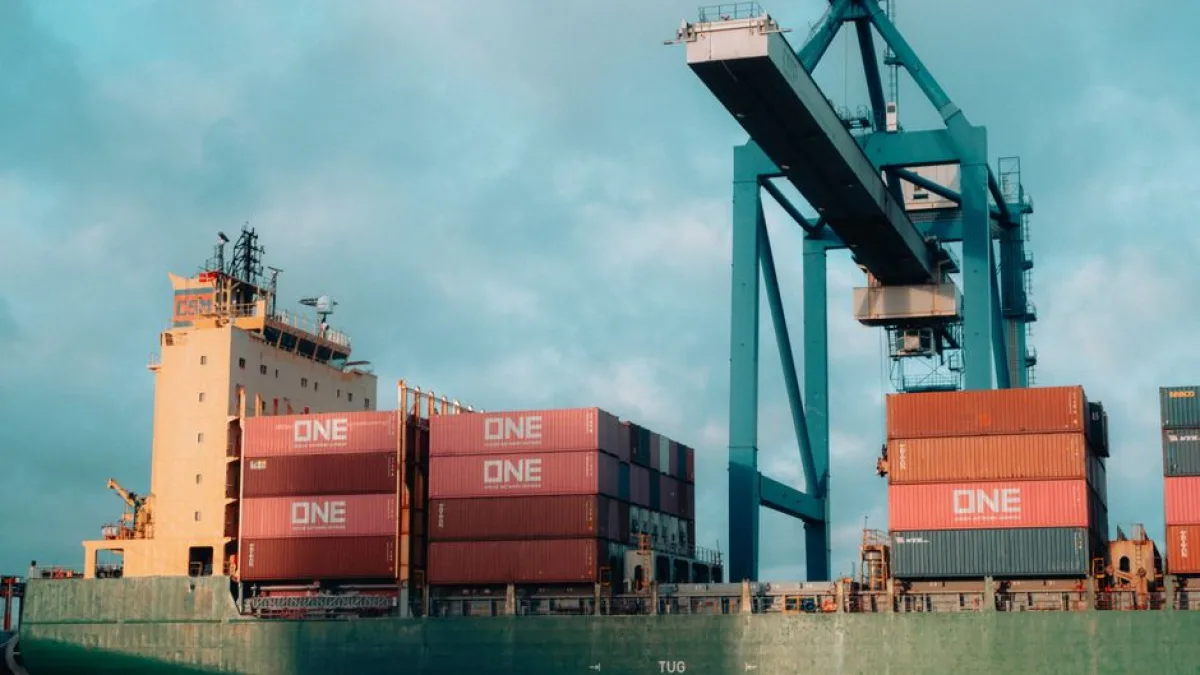
Data-driven insights allow forwarders to look beyond individual shipments and identify broader trends in carrier performance and lane reliability. By analyzing historical tracking data, you can make smarter decisions regarding carrier selection, route optimization, and seasonal capacity planning for your clients.
- Carrier performance reviews: Evaluate which shipping lines consistently meet deadlines versus those that frequently delay, allowing you to choose better partners for your future import and export operations.
- Lane reliability analysis: Review historical data to identify which trade routes are prone to disruptions, enabling you to recommend safer alternatives to customers during periods of high instability.
- Identifying seasonal patterns: Use past shipment volumes and transit times to predict capacity needs, which helps in negotiating better rates and space allocations with your shipping partners.
- Optimizing internal workflows: Analyze the time spent on tracking tasks to identify bottlenecks in your own internal processes, driving continuous improvement and higher team efficiency across the board.
Data analytics transforms tracking from a reactive task into a proactive strategic weapon for any forwarder. By consistently reviewing performance metrics, you gain a clearer picture of your business strengths and areas for potential improvement. This objective approach ensures that your operations remain lean and responsive, positioning your firm as a data-driven leader capable of navigating the future complexities of global shipping.
Conclusion

Mastering shipping and tracking is essential for modern freight forwarders who want to thrive in a digital-first economy. By focusing on real-time visibility, system integration, clear communication, and deep data analytics, you provide a superior experience that secures long-term client loyalty. Implement these practices today using MakeCargo to streamline your operations and ensure that your logistics services remain reliable, efficient, and highly profitable.