Mastering Global Logistics Tracking for Modern Freight Forwarders
Sunday, September 20 2026
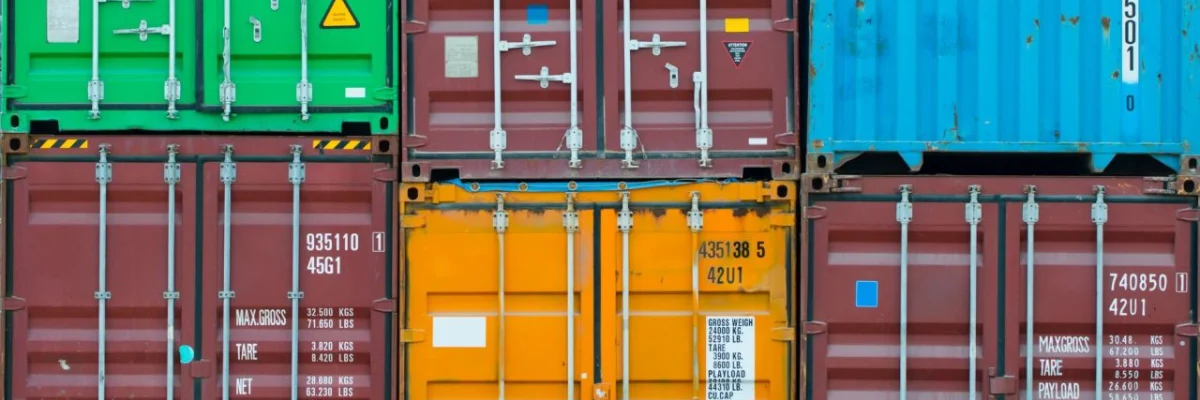
Modern global logistics require unprecedented levels of transparency and speed to maintain a competitive edge in an increasingly volatile market. Freight forwarders are currently facing pressure to provide real-time updates while managing complex supply chain disruptions that threaten delivery schedules. Adopting digital solutions that integrate live tracking capabilities is no longer a luxury but a fundamental necessity for business growth. By centralizing data from carriers and ports into a single cloud-based dashboard, professionals can reduce manual workload and offer their clients the reliability they demand. This shift toward total visibility transforms the customer experience and improves overall operational efficiency significantly.
Optimizing Real-Time Visibility

Real-time visibility allows forwarders to monitor shipments across multiple transit legs with complete clarity. By reducing blind spots during ocean transit, teams can proactively manage potential delays, keeping stakeholders informed without needing to rely on time-consuming manual status requests or emails.
- Carrier API Integration: Connecting directly with shipping lines ensures that status updates flow automatically into your management system, eliminating the need for manual data entry or repetitive portal checking.
- Automated Exception Alerts: Intelligent systems trigger immediate notifications when a vessel is delayed or deviates from its planned route, enabling your team to resolve issues before they escalate.
- Client Portal Access: Providing your customers with a secure, white-labeled dashboard allows them to track their own cargo, which significantly reduces the volume of support tickets your team handles.
- Standardized Data Formatting: Consolidating disparate data streams into a unified interface provides a consistent view of every shipment regardless of the carrier or transport mode used for transit.
Achieving true visibility requires a robust software foundation that consolidates carrier feeds into a coherent narrative. When your team spends less time hunting for information, they focus more on high-value tasks that drive revenue and improve service quality. Modern freight forwarding software ensures that every stakeholder remains on the same page, ultimately fostering long-term trust and professional credibility within the global shipping ecosystem.
Streamlining Document Management

Documentation is often the most significant bottleneck in international shipping. Digitizing documents and attaching them directly to specific tracking records ensures that all compliance requirements are met swiftly while minimizing the risk of administrative errors during the customs clearance process.
- Cloud Document Storage: Keeping all bills of lading, commercial invoices, and certificates in one centralized location makes audit trails accessible, secure, and ready for instant retrieval during inspections.
- Automated Filing Systems: Smart software automatically maps uploaded documents to relevant shipment files, saving your operations team from hours of manual sorting and file organization every single week.
- Digital Signature Integration: Secure e-signature tools accelerate the approval process for essential transport documentation, ensuring that shipments move through checkpoints without unnecessary delays or physical paperwork handling hurdles.
- Version Control Protocols: Maintaining a single source of truth for all shipment documents prevents errors caused by using outdated files, ensuring everyone works with the most accurate information.
Efficient document handling is the backbone of seamless international trade. By moving away from physical paperwork and scattered digital folders, forwarders can significantly enhance their processing speed. This transition reduces overhead costs and minimizes the human errors that often lead to expensive customs hold-ups. Integrating document workflows into your tracking software creates a streamlined environment where compliance and logistics performance go hand in hand.
Leveraging Predictive Analytics
Predictive analytics uses historical data and current shipping patterns to forecast potential bottlenecks before they occur. Forwarders who utilize these insights can suggest better routing alternatives, helping their clients avoid congested ports and seasonal delays that frequently disrupt standard supply chains.
- Route Performance Analysis: Reviewing historical transit times helps you select the most efficient carriers and paths for future shipments, optimizing costs while ensuring high reliability for your customers.
- Predictive Delay Forecasting: Algorithms analyze weather patterns and port congestion data to estimate potential arrival dates more accurately, allowing you to manage client expectations with a high degree.
- Capacity Trend Monitoring: Identifying seasonal shipping volume spikes enables your team to secure space in advance, ensuring that your clients enjoy priority handling even during peak industry seasons.
- Cost Optimization Insights: Analyzing spending patterns across different shipping lanes helps identify opportunities to consolidate shipments or renegotiate carrier rates for improved profit margins on every load.
Data-driven decision making separates industry leaders from those struggling with reactive manual processes. By understanding trends and forecasting potential obstacles, you provide a level of consultative service that clients truly value. This strategic approach transforms you from a simple service provider into an indispensable supply chain partner, ensuring that your clients remain competitive while you maintain a lean and highly profitable operation.
Enhancing Communication Efficiency

Effective communication is essential for managing the complex web of relationships involved in global freight. Integrated messaging tools within tracking software keep all shipment-related conversations organized, ensuring that context is never lost and that every update is recorded for future reference purposes.
- Internal Collaboration Tools: Team members can comment directly on specific shipment records, which keeps all internal discussions focused, productive, and accessible to anyone involved in that particular logistics case.
- Integrated Notification Engines: Automating shipment milestone updates ensures that every stakeholder receives timely, accurate information regarding cargo progress without requiring any additional effort from your operations staff members.
- Contextual Message Logging: Linking emails and chat messages to specific tracking IDs preserves a comprehensive history of interactions, which is invaluable for resolving disputes or improving future services.
- Customer Response Speed: Rapid access to live status updates allows your team to answer customer inquiries immediately, projecting an image of professionalism and extreme efficiency to every partner.
Unified communication channels prevent the common pitfalls of siloed information and fragmented message threads. By keeping the conversation tied directly to the shipment record, you eliminate confusion and reduce the time spent searching for past updates. This seamless approach to information sharing improves your team culture and ensures that every customer touchpoint is informative, professional, and consistent across your entire shipping network.
Conclusion
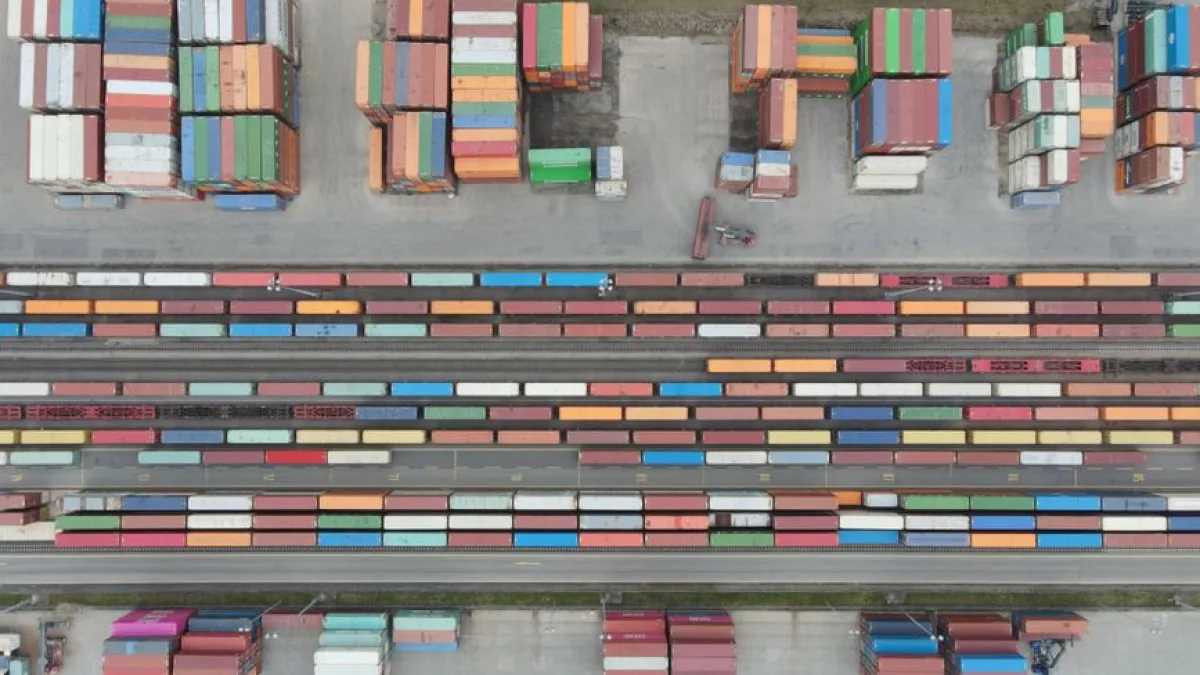
Mastering freight tracking and documentation is essential for any forwarder aiming to succeed in a digital-first economy. By leveraging real-time data, predictive analytics, and centralized communication, you create a scalable operation that delights clients and maximizes efficiency. Start optimizing your logistics workflows today with the right cloud-based technology to future-proof your business and stay ahead of the evolving global supply chain demands.