Mastering Global Logistics Tracking for Modern Freight Forwarders
Sunday, September 20 2026
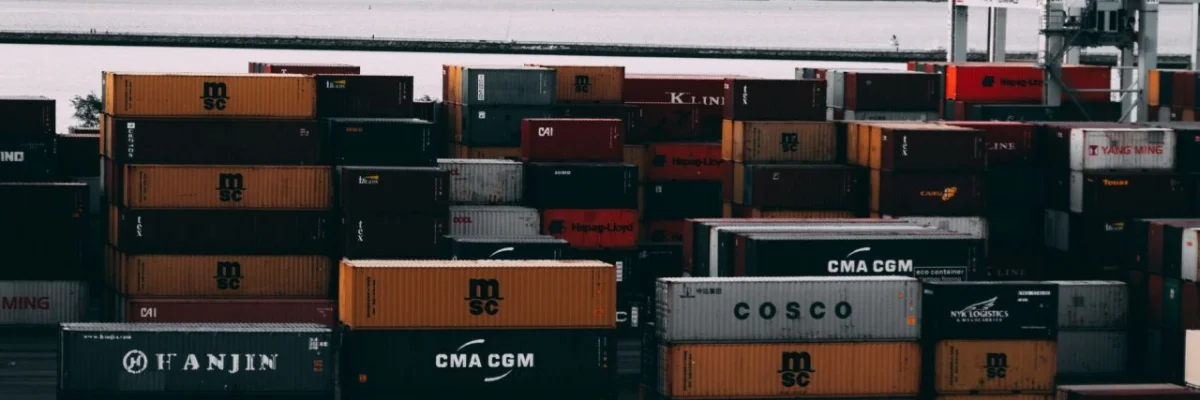
In the fast-paced world of international logistics, the ability to provide real-time visibility is no longer a luxury but a fundamental requirement for success. Freight forwarders often struggle with fragmented data sources, leading to communication gaps and operational inefficiencies that frustrate shippers. By integrating advanced tracking technologies into your daily workflows, you can eliminate manual updates and gain a comprehensive view of cargo movement across every touchpoint. This strategic shift not only builds deep trust with your clients but also empowers your team to manage exceptions proactively, ensuring that shipments reach their destinations smoothly and on time.
The Evolution of Visibility
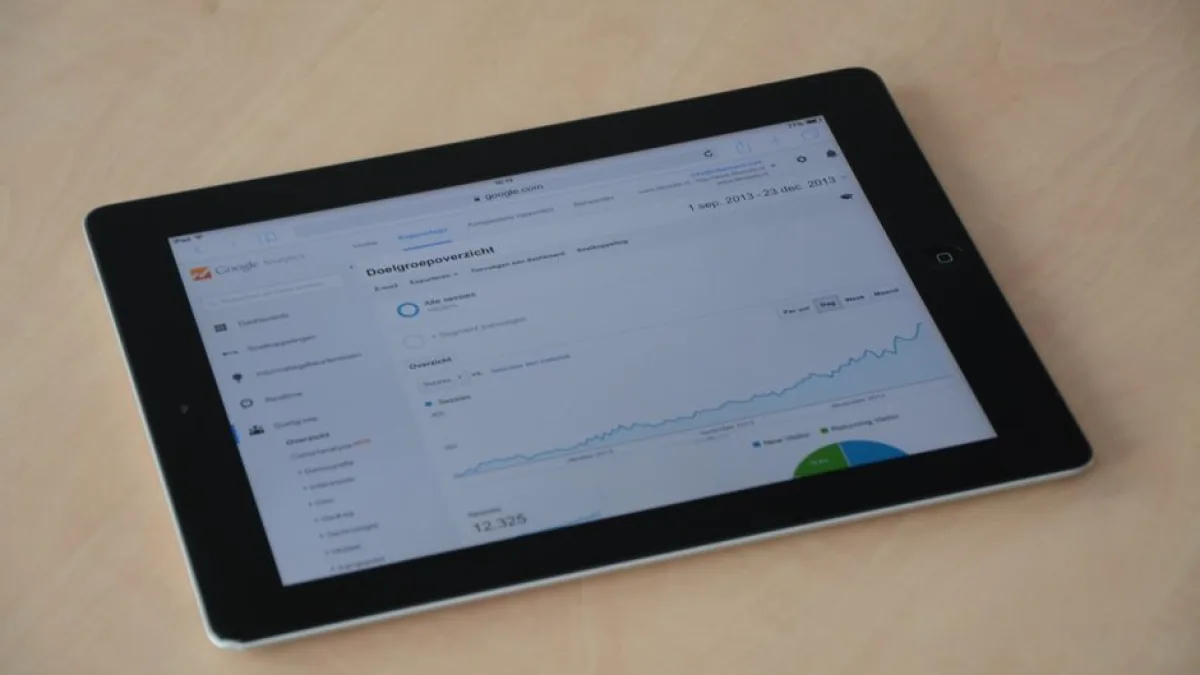
Modern visibility platforms have moved beyond simple vessel tracking by incorporating predictive analytics and real-time connectivity. These digital systems pull data directly from carriers, ports, and terminals to create a unified source of truth for every active shipment in your network.
- Automated Data Feeds: Eliminate manual entry by connecting your logistics software directly to global carrier APIs for instantaneous updates that keep your internal teams aligned with the reality.
- Predictive Arrival Forecasting: Leverage sophisticated machine learning algorithms that analyze historical vessel performance and current port congestion levels to provide highly accurate estimated arrival dates for your clients.
- Exception Management Alerts: Receive instant notifications when a shipment deviates from its planned route or faces unexpected delays, allowing you to intervene before the problem impacts your customer.
- Centralized Documentation Access: Store all relevant shipping documents within the tracking portal to ensure that customs brokers and warehouse staff have immediate access to necessary compliance information.
Adopting these advanced tools transforms your service offering from basic transport to high-value supply chain management. By centralizing information, you reduce administrative overhead and free up your staff to focus on solving complex logistical problems rather than chasing status updates. Clients appreciate this level of transparency, which positions your firm as a forward thinking partner rather than just another traditional vendor in the market.
Optimizing Port Operations
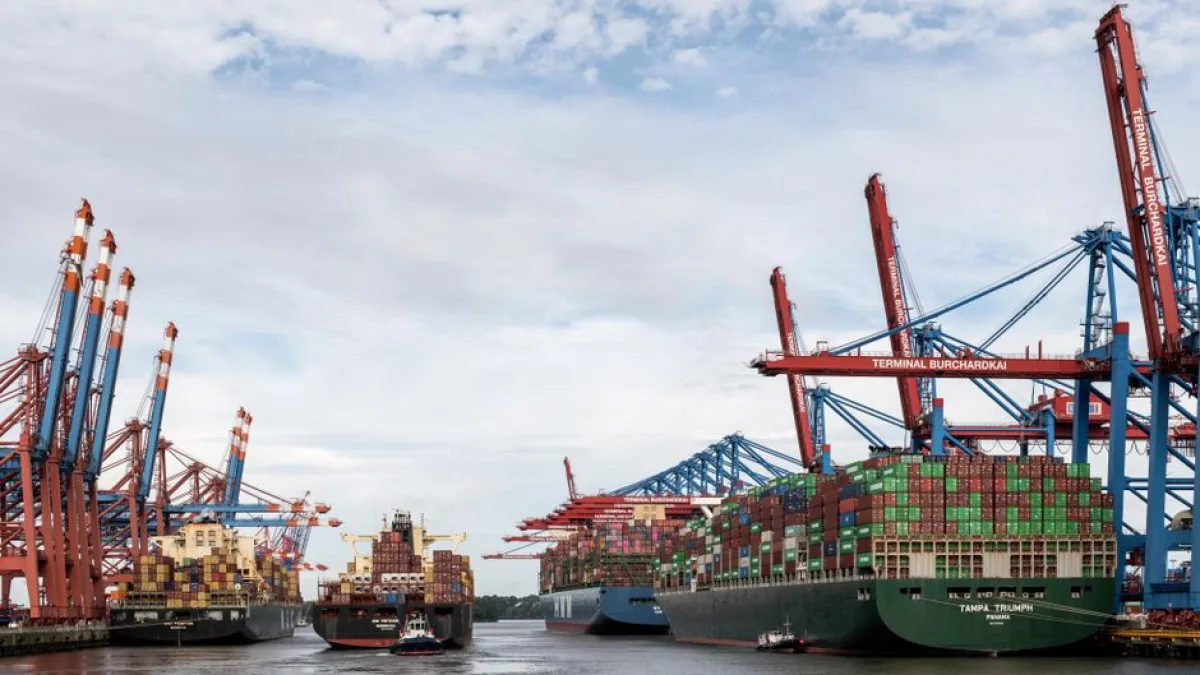
Congestion at major shipping hubs remains a critical bottleneck for forwarders worldwide. Utilizing granular tracking data allows you to identify which ports are experiencing delays, enabling better route planning and resource allocation to avoid those high-risk areas during peak seasons.
- Dynamic Route Planning: Utilize real-time port activity reports to adjust shipping schedules and choose routes that bypass bottlenecks, ensuring cargo flows efficiently through the global maritime supply network.
- Dwell Time Analysis: Monitor the time spent by containers at specific terminals to identify operational inefficiencies that might require alternative carrier choices or adjusted inland transport scheduling strategies.
- Container Lifecycle Monitoring: Track the full journey of individual units from empty pickup to final return, which minimizes unnecessary detention and demurrage costs that often erode profit margins.
- Intermodal Coordination Efficiency: Sync your ocean tracking with inland rail or trucking schedules to create a seamless handover process that keeps cargo moving without unnecessary waiting periods.
Optimizing how your cargo interacts with port infrastructure requires precise and timely data. When you have full oversight of terminal performance, you gain the leverage needed to negotiate better service levels with carriers and transport partners. This visibility effectively turns potential operational risks into competitive advantages, allowing your freight forwarding business to deliver consistent results even when the global supply chain faces intense pressure.
Enhancing Client Communication

Providing customers with a self-service portal is the most effective way to build long term loyalty. Instead of responding to repetitive emails, you can provide your shippers with the tools they need to check their shipment status independently at any hour.
- Self-Service Tracking Portals: Give your clients a secure login to view current shipment milestones, maps, and document status updates without needing to contact your customer service department directly.
- Customizable Automated Notifications: Configure tailored email or SMS alerts that trigger at specific transit milestones, keeping your shippers informed exactly when they expect updates on their cargo.
- Transparent Performance Reports: Export detailed tracking history to share with clients for monthly reviews, proving your value through measurable reliability and consistent adherence to scheduled arrival windows.
- Proactive Problem Resolution: Use the shared visibility of your platform to collaborate with clients on contingency plans the moment a delay is detected, fostering a partnership approach.
When clients control their own data access, your relationship moves from reactive inquiry management to a strategic partnership. This reduction in administrative communication allows your account managers to focus on high-level growth activities rather than basic tracking queries. By consistently delivering accurate information through a professional interface, you solidify your reputation as a reliable, transparent, and technology-driven forwarder that clients trust completely.
Leveraging Advanced Data Analytics
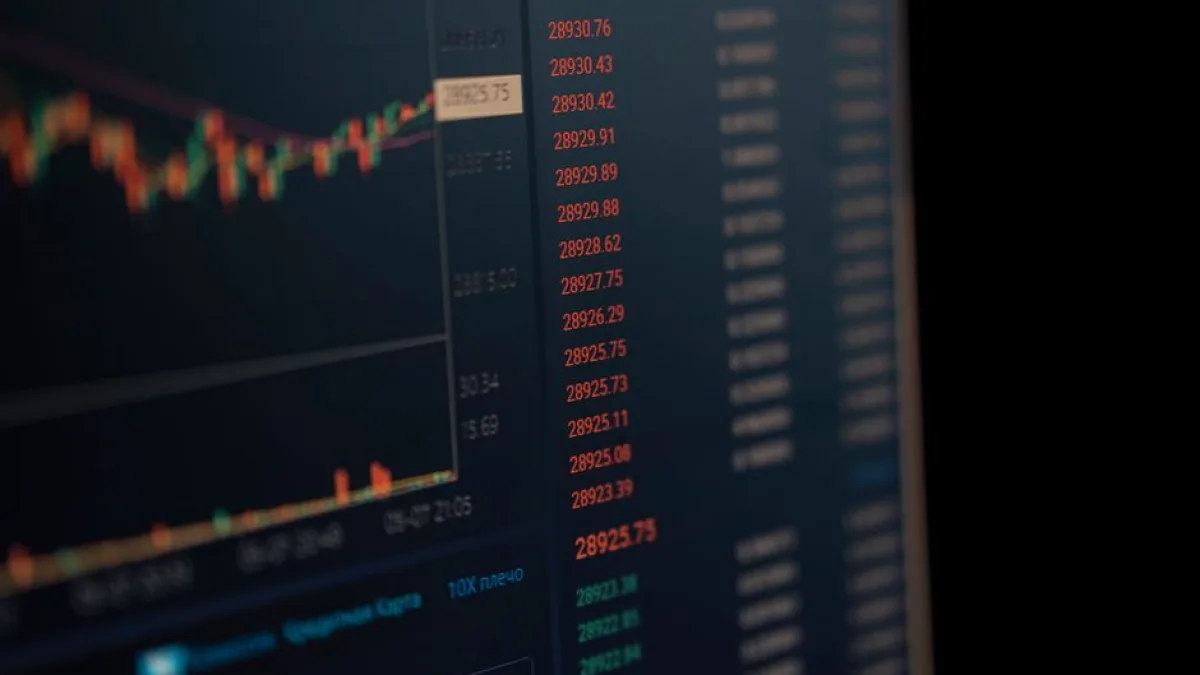
The final step in mastering tracking is using collected data to improve future operations. By auditing your historical tracking logs, you can uncover hidden patterns in carrier performance, port reliability, and transit times to refine your strategy for future shipments.
- Carrier Performance Benchmarking: Analyze long-term tracking data to rank your shipping lines based on their adherence to transit times, helping you make data-backed decisions for future bookings.
- Historical Trend Mapping: Identify recurring bottlenecks or seasonal delays by reviewing multi-year shipment logs, which helps in planning supply chain strategies that mitigate common regional maritime risks.
- Cost Saving Opportunities: Discover inefficiencies in transit routes or carrier combinations that consistently lead to extra costs, allowing you to streamline your shipping spend over the year.
- Continuous Process Improvement: Use feedback loops from tracking data to refine your internal standard operating procedures, ensuring that your team grows more efficient with every successful delivery.
Data-driven insights are the foundation for scaling your freight forwarding operations effectively. By transforming raw tracking logs into actionable intelligence, you optimize your logistical performance and enhance profitability simultaneously. Never settle for static data when you can use advanced analytics to predict future challenges and opportunities. Investing in these analytical capabilities today ensures your business stays resilient and competitive in a changing market.
Conclusion

Embracing a comprehensive tracking strategy is essential for modern freight forwarders aiming to excel in a digital-first global economy. By focusing on automated visibility, optimized operations, clear client communication, and deep data analytics, you provide unmatched value to your shipping partners. Start integrating these advanced tools into your workflow today to improve your operational efficiency and strengthen your position as a trusted industry leader.