Mastering Global Logistics Tracking for Freight Forwarders
Monday, September 21 2026
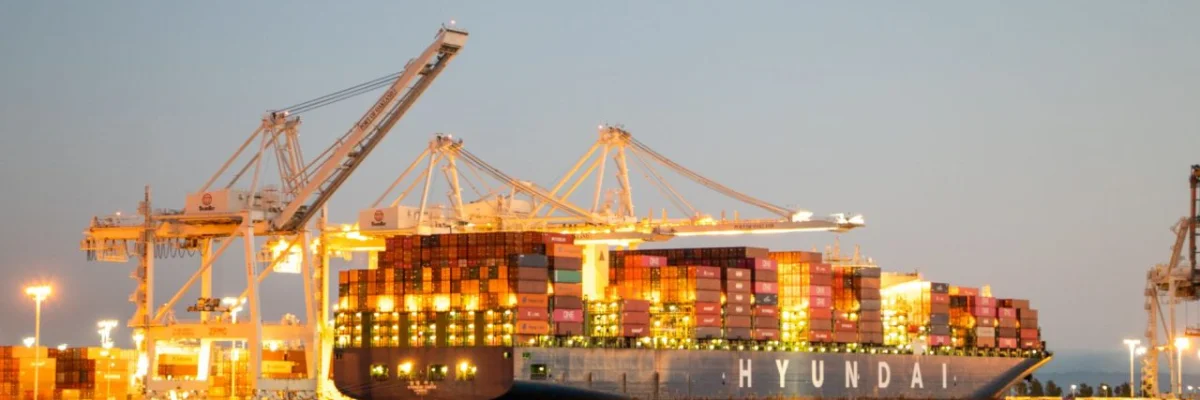
In the rapidly evolving world of international trade, freight forwarders must maintain absolute visibility over every shipment to meet customer expectations. Modern clients demand real time data, accurate delivery estimates, and proactive communication when disruptions occur. By leveraging cloud based platforms, logistics professionals can centralize fragmented data streams into one cohesive view. This shift away from manual entry and email threads reduces administrative errors while increasing operational speed. Efficiency in tracking is no longer just a competitive advantage for forwarders, but a fundamental requirement to ensure transparency and trust in an increasingly complex and interconnected global supply chain ecosystem.
Real Time Shipment Visibility

Technology allows forwarders to monitor cargo from origin to destination through sophisticated tracking systems. By integrating live data feeds, logistics companies can visualize entire routes, identify bottlenecks before they escalate, and provide clients with the peace of mind they deserve.
- Automated Status Updates: Eliminate manual entry by using digital integration tools that automatically pull carrier milestones directly into your dashboard for immediate visibility across all active client shipments.
- Proactive Exception Management: Identify potential transit delays early by receiving instant notifications, allowing your team to inform clients and find alternative solutions before the shipment is severely impacted.
- Unified Carrier Portals: Consolidate data from multiple ocean, air, and road carriers into a single interface to reduce the time spent switching between various external partner websites.
- Live Location Tracking: Utilize advanced telematics and API connections to pinpoint the exact geographical location of your freight during its journey across international land and sea.
Adopting automated tracking solutions fundamentally changes how forwarders manage their daily operations. By removing the burden of manual data gathering, your staff can focus on high value tasks like strategic planning and account management. This transition creates a more resilient business model capable of handling sudden market fluctuations while keeping your clients satisfied with consistent, accurate information regarding their precious global cargo movements.
Optimizing Warehouse Inventory Cycles
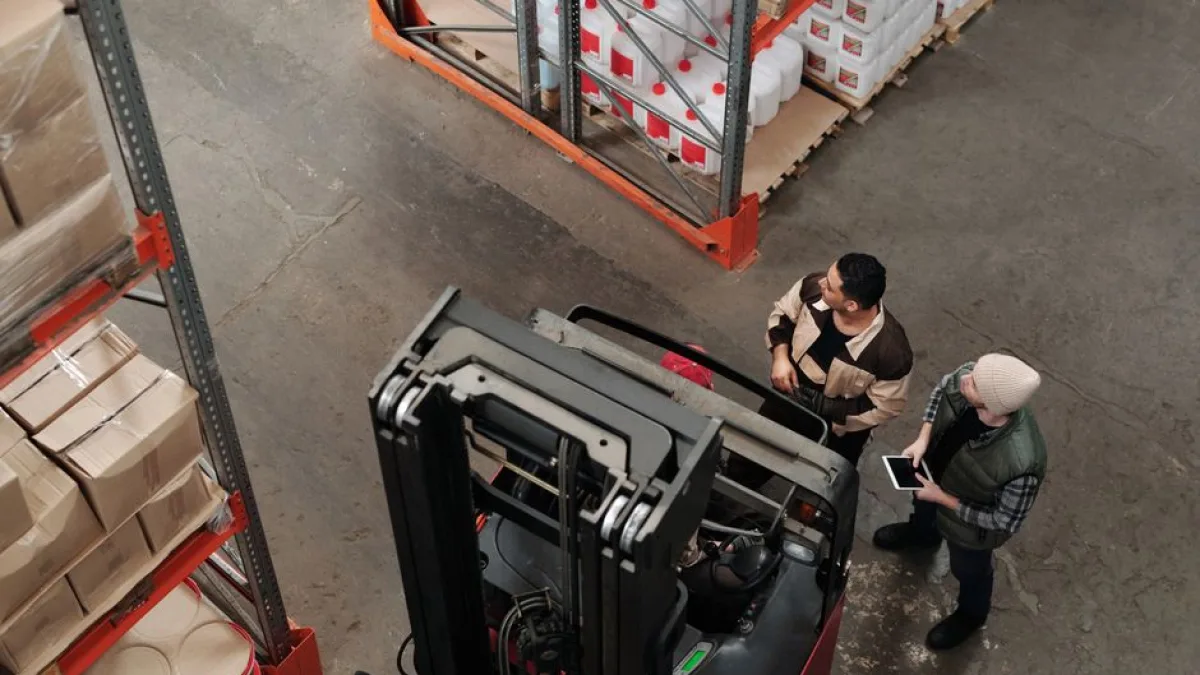
Effective inventory management within the warehouse environment is critical for seamless supply chain execution. When forwarders track goods precisely from the moment they arrive at the loading dock, they reduce storage costs and optimize the throughput of every container.
- Barcode Scanning Integration: Implement mobile scanning solutions to log inventory movements instantly, ensuring that your records remain perfectly synced with the actual physical state of the cargo.
- Inventory Level Analytics: Utilize intelligent software to track stock velocity and identify slow moving goods, which helps you provide better consultancy services to your warehouse clients.
- Optimized Staging Areas: Create digital maps of your floor space to organize goods according to departure priority, reducing the time required to retrieve items for loading.
- Automated Stock Alerts: Receive proactive notifications when inventory levels drop below pre-defined thresholds, enabling timely replenishment orders that prevent supply chain gaps for your key partners.
Optimizing warehouse operations requires a meticulous approach to data accuracy and spatial awareness. When forwarders invest in digital inventory tools, they gain total control over the flow of goods within their facilities. This level of precision leads to shorter transit times and happier clients. By streamlining these internal cycles, you position your logistics business as an indispensable partner in the global trade network.
Streamlining Documentation Workflows

The flow of documentation often dictates the speed of global trade. Digital platforms allow freight forwarders to manage bills of lading, customs declarations, and commercial invoices within a single secure environment, ensuring compliance and rapid processing for all shipments.
- Cloud Based Storage: Maintain a centralized and secure repository for all shipping documents, ensuring that your team can access vital records from any location at any time.
- Automated Document Verification: Use smart software to cross check information between manifests and invoices, which helps to identify inconsistencies that could lead to costly customs penalties.
- Client Portal Access: Grant your customers secure login credentials so they can download their own invoices and shipping paperwork, reducing administrative workloads for your customer service team.
- Digital Signatures Integration: Simplify the authorization process by using electronic signature tools that accelerate the approval of critical documents without the need for physical courier deliveries.
By digitizing documentation workflows, you remove significant friction from the shipping process. Instead of managing heavy paper stacks, your team spends their time solving complex logistics challenges. This modern approach not only improves accuracy but also significantly speeds up the clearance process. Forwarders who embrace these paperless habits are better equipped to handle higher shipment volumes while maintaining a high standard of accuracy.
Enhancing Customer Communication Standards

Clear and frequent communication remains the hallmark of a successful freight forwarding company. By using integrated messaging tools within your tracking platform, you can ensure that your clients are always informed about their cargo without needing extra emails.
- Automated Email Notifications: Send triggered alerts to your customers whenever their shipment hits a key milestone, keeping them updated throughout the entire lifecycle of the transport.
- Centralized Chat History: Store all communications related to a specific shipment within the platform, ensuring that every team member can provide consistent support to the client.
- Self Service Tracking Links: Provide your customers with private web links where they can monitor their shipments, reducing the volume of inbound status inquiry phone calls.
- Professional Status Reports: Generate branded PDF reports at the touch of a button, providing your clients with a polished overview of their shipment progress and history.
Customer satisfaction relies on proactive and transparent communication. When you empower your clients with self service tools and automated updates, you build lasting trust. These digital connections save time for your support team while making your clients feel valued and informed. Investing in communication technology ensures that your brand remains the preferred choice in a competitive and demanding global logistics marketplace.
Conclusion

Improving your tracking capabilities is essential for modern freight forwarders aiming to scale. By leveraging digital tools for visibility, inventory, documentation, and communication, you build a foundation for long term growth. Focus on integrating these solutions into your existing workflows to maximize efficiency and client retention. Start your digital transformation journey today to ensure your logistics business remains competitive in this evolving global market.