Mastering Global Logistics Tracking for Modern Freight Forwarders
Monday, September 21 2026

In the fast-paced world of international logistics, the ability to provide real-time visibility is the primary differentiator between successful freight forwarders and their competitors. As supply chains grow more complex, customers demand instant access to shipment status updates and proactive notifications. Leveraging sophisticated cloud-based technology allows forwarders to replace outdated manual tracking processes with automated data streams. This digital transformation not only reduces the administrative burden on your operations team but also significantly enhances the trust your clients place in your services. By prioritizing transparency and accuracy, you can build lasting relationships that weather the volatility of global shipping markets.
Real-Time Cargo Visibility
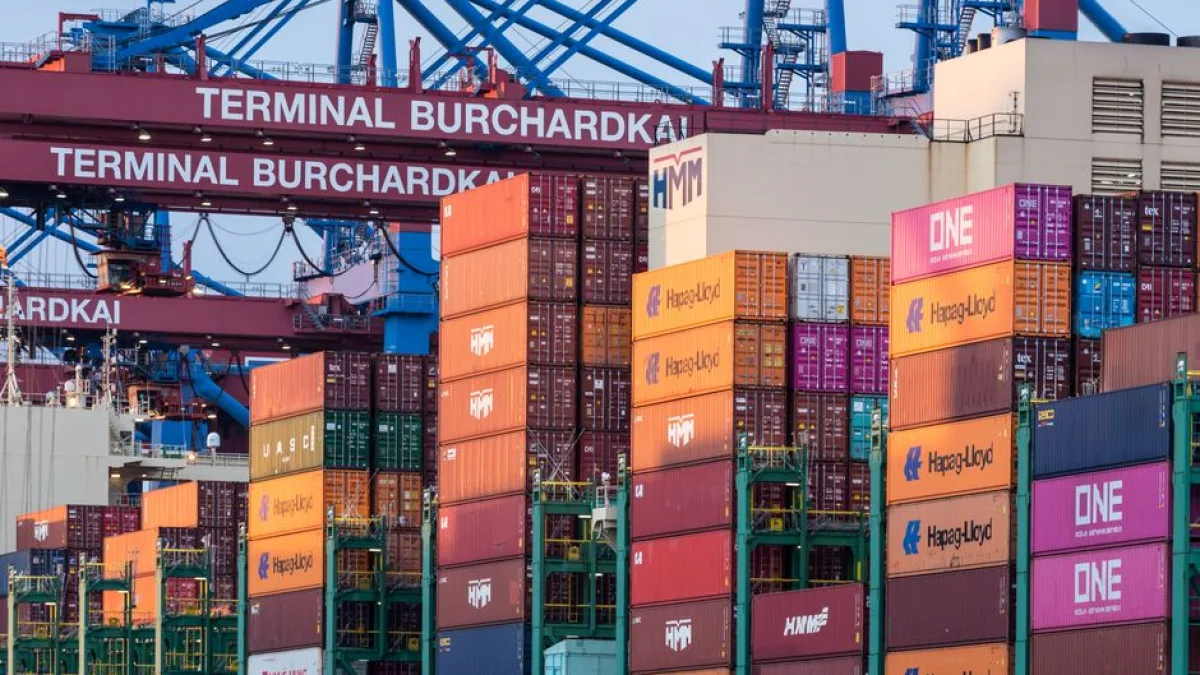
Integrating live tracking systems provides a comprehensive view of your global supply chain movements. This visibility is essential for maintaining operational efficiency when managing hundreds of active shipments across various international borders and unpredictable transit routes during peak seasons.
- Automated status updates: Real-time notifications ensure your clients receive instant alerts regarding their shipment progress, reducing the volume of manual inquiry emails sent to your dedicated customer service team daily.
- Predictive delay warnings: Advanced software tools analyze weather patterns and port congestion data to forecast potential delays before they impact the final delivery timeline of your clients precious cargo.
- Digital documentation access: Secure portals allow authorized parties to view essential shipping papers like bills of lading and commercial invoices, ensuring full compliance and transparency throughout the entire journey.
- Integrated vessel tracking: Connection to global AIS databases provides accurate location data for ocean freight, allowing for precise arrivals and optimized logistics planning for your warehouse operations teams.
Achieving total visibility requires robust digital infrastructure that connects disparate systems into one unified interface. When you consolidate carrier data into a single platform, you eliminate the risks associated with information silos and manual data entry errors. This level of precision empowers your staff to focus on strategic decision-making rather than repetitive administrative tasks, ultimately leading to higher productivity and improved profitability for your entire forwarding agency.
Optimizing Warehouse Throughput

Effective inventory management within your warehouse facilities directly impacts how quickly freight moves from arrival to final dispatch. Optimizing these internal processes ensures that your storage space remains fluid and your outbound shipping deadlines are met without unnecessary bottlenecks.
- Barcode scanning technology: Deploying modern scanning hardware speeds up the intake process, ensuring every single unit is logged accurately into your system the moment it arrives at the dock.
- Dynamic slotting strategies: Software algorithms suggest the most efficient storage locations based on turnover frequency, helping your warehouse staff reduce travel time when picking items for outbound shipments.
- Real-time inventory alerts: Automated systems notify you when stock levels reach pre-defined thresholds, preventing shortages and ensuring your fulfillment capabilities remain uninterrupted even during high demand periods today.
- Labor productivity tracking: Detailed analytics help identify bottlenecks in your manual handling processes, enabling management to adjust staffing levels dynamically to match current workflow requirements and operational goals.
Refining warehouse efficiency is a continuous process that relies on accurate data reporting and proactive management oversight. By investing in modern software solutions, you gain the clarity needed to identify inefficiencies and implement immediate improvements. These optimizations save precious time, reduce operational overhead costs, and elevate the quality of service provided to your clients, which directly supports the overall growth of your logistics enterprise.
Data-Driven Decision Making

Modern freight forwarding is no longer driven by intuition alone but by the rigorous analysis of shipment data. Harnessing powerful analytics tools allows your company to identify trends and improve performance through data-backed strategic planning and smarter resource allocation.
- Carrier performance metrics: Analyze historical data to evaluate which shipping lines consistently meet deadlines, helping you negotiate better service contracts and improve the reliability of your service offerings.
- Cost trend analysis: Tracking fluctuations in freight rates and fuel surcharges allows you to forecast pricing changes and provide your clients with transparent, highly competitive shipping quotes.
- Route optimization insights: Reviewing historical transit times helps you identify the most efficient routes between specific ports, saving money and time while reducing the environmental impact of freight.
- Resource allocation planning: Detailed reports on workflow volume help management distribute team workloads evenly, preventing staff burnout and ensuring that every shipment receives the attention required for success.
Transitioning to a data-driven model allows your logistics firm to pivot quickly when market conditions shift unexpectedly. By reviewing key performance indicators on a regular basis, you ensure that your business remains agile and responsive to client needs. This analytical approach fosters a culture of constant improvement where every decision is grounded in evidence, leading to sustained competitive advantage in global shipping.
Enhancing Client Communication

Clear and proactive communication is the foundation of every strong partnership in the freight industry. Keeping your customers informed through every stage of the shipment lifecycle builds long-term loyalty and reduces friction during the complex international logistics process.
- Automated client notifications: Proactive email or SMS updates regarding milestone achievements keep clients informed without requiring them to contact your office for status reports on their active shipments.
- Customizable reporting dashboards: Provide your top-tier clients with bespoke views of their logistics activity, demonstrating your commitment to their unique business needs and fostering deeper professional trust.
- Centralized communication logs: Keeping all correspondence within your software platform ensures that every team member has full context, preventing misunderstandings and ensuring seamless service continuity for all accounts.
- Feedback collection loops: Automated survey tools sent after project completion help you gather actionable insights, allowing you to refine your service standards based on direct client experiences.
Strong communication strategies transform simple transactional relationships into strategic partnerships that span many years. By providing your clients with the information they need before they even ask for it, you position your firm as an indispensable asset to their supply chain. This proactive service style builds a reputation for reliability that attracts new business and helps you retain existing clients for years.
Conclusion

Embracing digital transformation is essential for forwarders who want to thrive in the modern logistics landscape. By adopting advanced tracking software, you gain the visibility, efficiency, and data-driven insights necessary to excel. Prioritize these technological investments today to streamline your operations and deliver superior service to your global clients. Start your journey toward smarter logistics management by optimizing your digital workflow right now.