Mastering Global Logistics Tracking for Modern Freight Forwarders
Tuesday, September 22 2026

In the fast-paced world of international logistics, the ability to provide real-time visibility is no longer a luxury but a fundamental necessity for freight forwarders. Clients demand instant updates on cargo status, location, and potential arrival delays across complex global supply chains. By leveraging cloud-based platforms like MakeCargo, forwarders can transition from manual tracking methods to automated systems that enhance accuracy and build long-term customer trust. Mastering these digital tools is essential for maintaining a competitive edge and ensuring that operations remain efficient while scaling to meet the growing demands of modern global trade partners worldwide.
The Evolution of Real-time Visibility

Advanced tracking technology enables forwarders to monitor shipments across multiple transit points simultaneously. By visualizing the entire journey through intuitive digital interfaces, logistics professionals can proactively address bottlenecks and provide precise data to clients before problems even impact their bottom line.
- Data accuracy importance: High-quality data feeds ensure that your tracking information remains reliable and minimizes the need for manual customer service inquiries regarding the status of pending shipments.
- Automated status updates: Implementing automated notification systems allows your team to send proactive alerts to clients, which significantly improves satisfaction levels and reduces operational communication overhead costs daily.
- Cloud integration benefits: Storing logistics data in the cloud provides remote access for your entire global team while ensuring that security protocols protect sensitive cargo information efficiently.
- Client portal access: Providing secure self-service portals empowers your clients to check shipment milestones independently, allowing your staff to focus on solving complex logistical challenges instead.
Adopting these sophisticated tracking technologies creates a transparent workflow that benefits every stakeholder in the supply chain. When information is centralized and accurate, the friction associated with international shipping decreases substantially. Forwarders who prioritize visibility are better positioned to handle unexpected disruptions, as they gain the agility required to reroute shipments or adjust timelines based on reliable, up-to-the-minute data retrieved from carrier networks.
Optimizing Ocean Freight Tracking
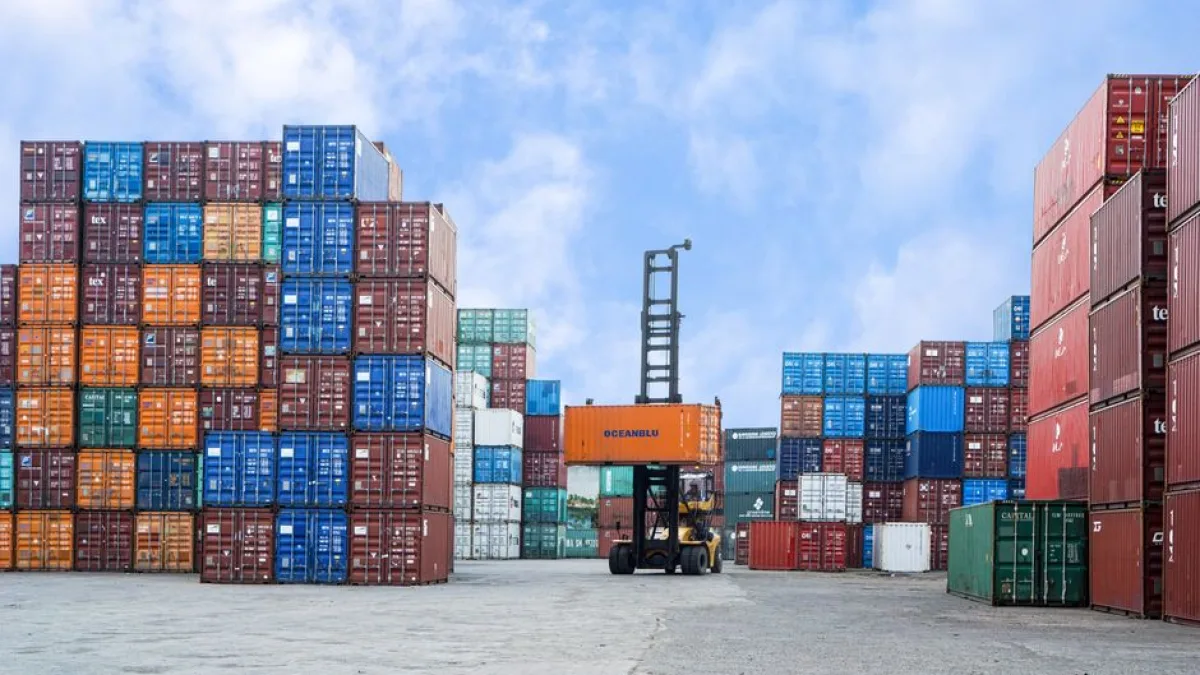
Ocean freight remains the backbone of international trade, yet its complexity often leads to tracking gaps. Efficiently managing large volumes of containers requires robust software that integrates directly with carrier systems to provide seamless updates during long transoceanic voyages.
- Carrier API integration: Connecting your platform directly to steamship line data streams allows for the automatic synchronization of container movements and estimated times of arrival without manual entry.
- Port congestion alerts: Monitoring local port traffic and labor conditions helps you anticipate delays early, providing enough lead time to inform clients about potential cargo release changes.
- Milestone tracking precision: Tracking specific events like vessel berthing and gate-out movements ensures that your documentation processes remain aligned with physical container movements at every major terminal.
- Multi-carrier visibility tools: Centralizing data from various shipping lines into one single dashboard eliminates the need to switch between dozens of individual carrier websites during work.
Managing ocean freight effectively means moving beyond basic vessel locations to understand the finer details of port operations. By focusing on granular milestone tracking, you can maintain control even when shipments face transit obstacles. This level of oversight ensures that your clients stay informed throughout the entire ocean journey, preventing confusion and allowing for better planning regarding final inland drayage schedules.
Reducing Manual Errors in Documentation

Documentation errors are a primary cause of shipment delays and financial penalties in global trade. Automating the flow of paperwork between tracking events and customs clearance reduces human error and keeps the supply chain moving toward its intended destination.
- Automated document generation: Creating standardized bills of lading and commercial invoices through software reduces the risk of typos that often lead to customs rejection or holding.
- Digital audit trails: Maintaining a comprehensive digital history of all changes made to your documents provides accountability and helps in resolving disputes quickly with overseas agents.
- Template standardization benefits: Using pre-set templates for common shipping lanes ensures that your documentation remains consistent and compliant with international shipping regulations and local customs requirements.
- Cloud file storage: Keeping all relevant shipping documents in a centralized cloud folder ensures your team can access necessary paperwork instantly during any stage of transit.
By streamlining documentation, freight forwarders save valuable time that would otherwise be spent fixing repetitive errors. Integrating document management with your tracking software creates a cohesive operation where data flows naturally from booking to final delivery. This harmony reduces stress on your operations staff and ensures that shipments cross borders without unnecessary bureaucratic friction, fostering a professional reputation that attracts more international business.
Leveraging Predictive Analytics for Logistics
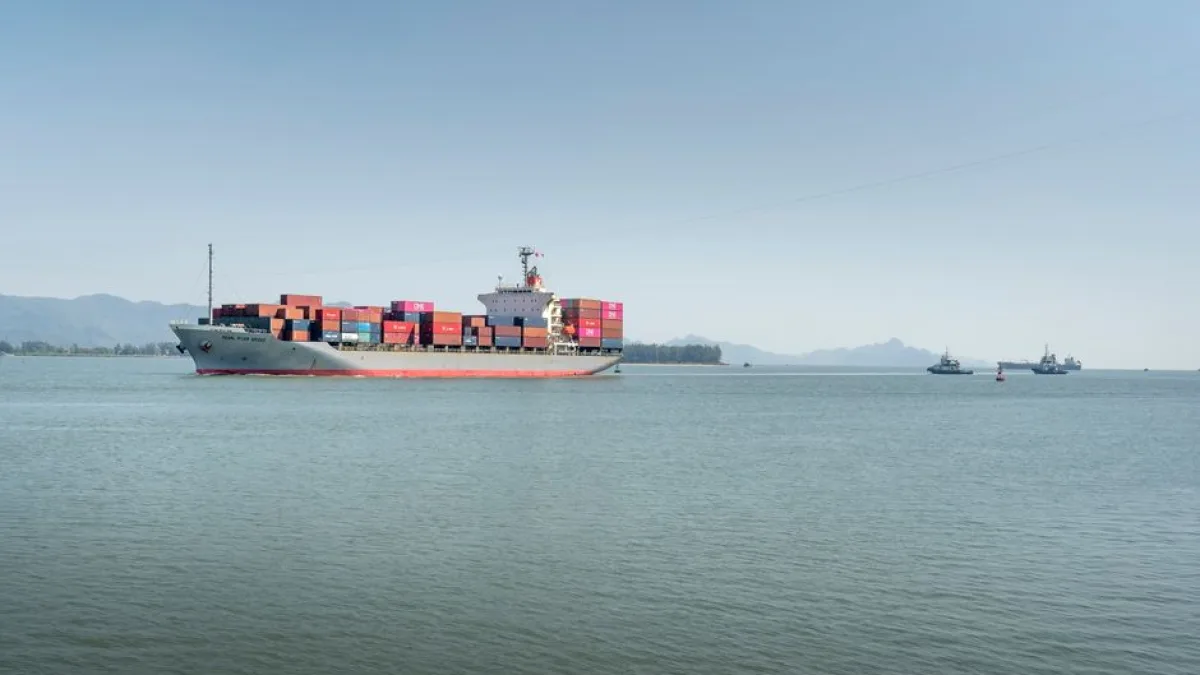
Predictive analytics uses historical data to forecast future trends and potential issues within your supply chain. By utilizing these insights, freight forwarders can transition from a reactive stance to a strategic model that anticipates market fluctuations effectively.
- Historical performance trends: Analyzing past shipment data helps you identify seasonal patterns or carrier performance issues, enabling smarter planning for your clients during peak holiday shipping seasons.
- Proactive delay mitigation: Using predictive models allows you to see potential transit delays before they occur, giving your team time to find alternative routes or carriers.
- Capacity planning insights: Understanding your historical volume helps in negotiating better freight rates with carriers, as you can provide accurate forecasts of your seasonal space requirements.
- Market trend forecasting: Monitoring shifts in global trade patterns keeps your firm ahead of competitors by allowing you to offer niche services for emerging logistics markets.
Integrating predictive intelligence into your daily operations turns raw tracking data into a powerful business asset. By anticipating challenges before they manifest, your firm adds significant value to every client partnership. This forward-looking strategy not only optimizes your current service delivery but also positions your brand as an industry leader that consistently uses modern technology to overcome traditional logistics hurdles with grace.
Conclusion

Harnessing modern tracking software is the key to scaling your freight forwarding business in a competitive global market. By focusing on visibility, automation, and predictive analytics, you can deliver exceptional value while reducing operational stress. Invest in robust platforms today to streamline your workflows, satisfy your clients, and secure your place at the forefront of the evolving international logistics industry moving forward.