Mastering Global Logistics Tracking for Modern Freight Forwarders
Thursday, September 24 2026
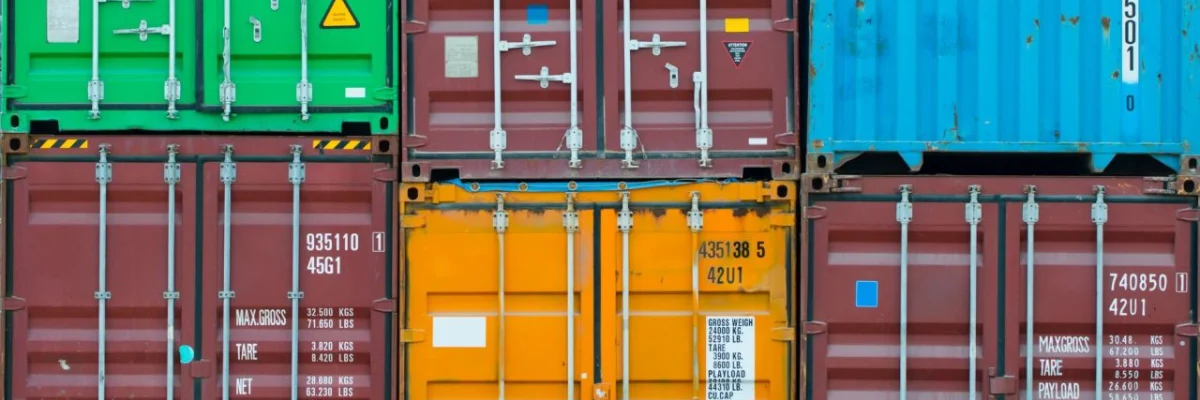
In the fast-paced world of international trade, the ability to monitor cargo in real-time has become the definitive benchmark for success. Freight forwarders often struggle with fragmented data sources, leading to communication gaps and operational inefficiencies that frustrate clients. By leveraging cloud-based platforms, professionals can now integrate multi-modal tracking data into a single pane of glass view. This shift not only enhances transparency but also allows teams to proactively resolve transit bottlenecks before they escalate into costly delays. Embracing modern technology is no longer optional for firms aiming to maintain a competitive advantage in global shipping markets.
Optimizing Shipment Visibility
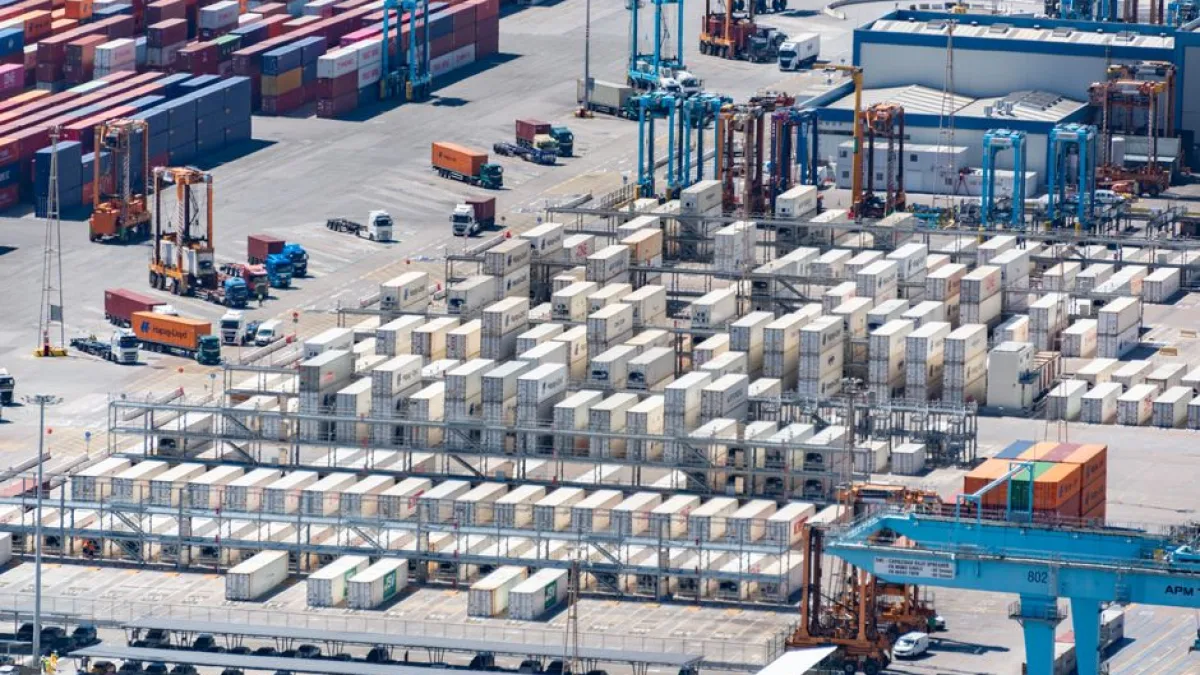
Real-time visibility transforms how forwarders interact with their clients by providing accurate location data for every movement. When logistics teams utilize advanced tracking features, they minimize the need for manual status updates, freeing up valuable time for strategic growth tasks.
- Automated status updates: Cloud systems automatically push notifications to stakeholders whenever a shipment reaches a milestone, ensuring that everyone remains informed without constant manual intervention or lengthy email chains.
- Centralized data access: By consolidating information from various carriers and ports into one platform, forwarders eliminate the risk of errors caused by disparate spreadsheets or outdated legacy software systems.
- Reduced client inquiries: Providing customers with a direct portal for tracking reduces the volume of status request calls, allowing your staff to focus on solving complex logistical challenges.
- Enhanced operational speed: Faster access to accurate location information enables teams to make rapid adjustments to routing, ensuring that deadlines are met despite potential congestion at sea terminals.
Adopting a centralized tracking approach changes your company culture from reactive to proactive. By giving clients the tools they need to see their cargo status anytime, you build trust and professional reliability. This level of transparency creates a seamless experience that encourages long-term retention and referrals. Investing in high-quality software solutions is the smartest way to modernize your shipping operations for maximum efficiency.
Leveraging Predictive Analytics

Predictive analytics allows freight forwarders to anticipate arrival times with much higher precision than traditional methods. By analyzing historical data and current port trends, software systems can forecast potential delays and suggest alternative routes to keep supply chains moving.
- Accurate arrival forecasting: Machine learning algorithms process historical transit patterns to provide more reliable estimated arrival times, reducing the uncertainty often associated with long ocean freight journeys.
- Proactive delay management: Systems identify potential disruptions at major ports early on, giving forwarders the necessary lead time to reroute shipments before they become permanently stuck in congestion.
- Performance benchmarking: Tracking data provides insights into carrier performance over time, allowing managers to identify which routes or partners consistently deliver the best results for their clients.
- Resource allocation planning: Managers use predictive insights to better manage warehouse space and trucking capacity, ensuring that resources are ready exactly when shipments are scheduled to arrive.
Harnessing the power of predictive analytics helps your firm move beyond basic monitoring. By anticipating problems before they manifest, you provide a level of service that most competitors cannot match. This foresight is a key differentiator in a crowded market where time equals money for every client. Start using these advanced metrics today to turn raw data into actionable shipping intelligence.
Integrating Multi-modal Systems
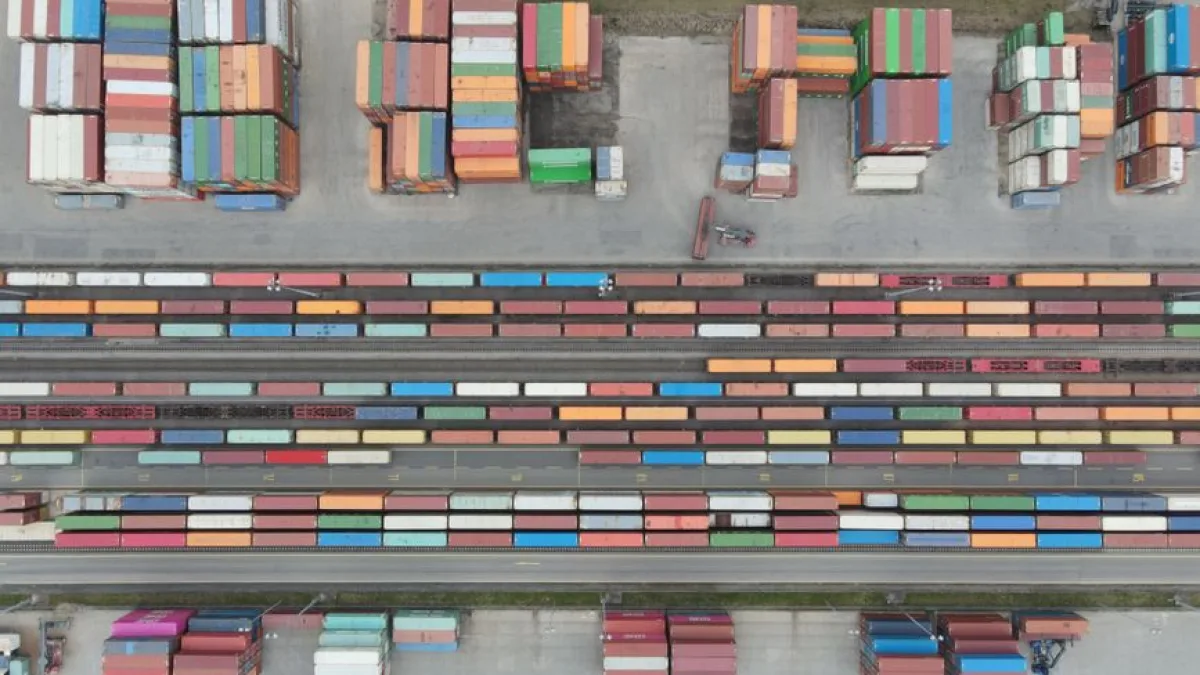
Managing diverse transport modes such as ocean, air, and rail requires a unified tracking architecture. Modern software bridges these different environments by translating varied carrier updates into a standardized format that your entire team can easily understand and use.
- Seamless data translation: Advanced platforms automatically convert carrier-specific tracking codes into standardized updates, removing the confusion that arises when managing multiple shipping lines with different terminology protocols.
- Cross-modal tracking consistency: Whether cargo moves via air or ocean, users maintain a consistent view of the shipment journey, ensuring no blind spots exist during transit handoffs.
- Unified reporting tools: Generate comprehensive reports that combine data from all transit modes, providing a holistic view of your company performance and individual shipment lifecycle stages.
- Enhanced partner collaboration: Share tracking information securely with overseas agents and trucking partners, ensuring that every player in the supply chain operates from the exact same data.
Interconnected logistics are the foundation of global trade success. When you integrate your ocean, air, and ground tracking into one cloud platform, you remove the silos that slow down operations. This alignment ensures that your internal workflows are as smooth as the cargo movement itself. Future-proof your business by implementing systems that handle the complexity of multi-modal freight without sacrificing ease of use.
Enhancing Customer Communication

Proactive communication remains the cornerstone of professional freight forwarding. By automating the delivery of tracking information, forwarders ensure that clients receive timely updates without the constant back and forth, ultimately strengthening the relationship through consistent and reliable information sharing.
- Customizable alert templates: Create branded email or SMS notifications that reflect your company voice, ensuring that client communications feel professional and personalized rather than like automated system noise.
- Direct portal access: Empower clients to log into a secure dashboard where they can track their own shipments, view documents, and access historical data whenever they need.
- Incident response clarity: When disruptions occur, automated updates provide clients with immediate context, helping to manage expectations while your team works to find a quick resolution path.
- Feedback loop creation: Use tracking milestones as natural touchpoints to ask for client feedback, helping your firm refine its service offerings based on real-world shipping experiences.
Exceptional customer service is defined by how well you handle the flow of information during a shipment. By automating the routine updates, you demonstrate that your company values the time of its clients. This consistent communication style builds strong professional partnerships and positions your agency as a reliable expert in the field. Deliver superior experiences by focusing on clarity and rapid information access.
Conclusion

Mastering the art of tracking requires a blend of advanced cloud technology and a customer-centric mindset. By centralizing data and embracing predictive tools, your freight forwarding business can significantly improve its operational efficiency and client satisfaction. Start integrating these strategies today to simplify your complex logistics processes. MakeCargo provides the essential software solutions needed to keep your freight moving forward with complete confidence and visibility.