Mastering Global Logistics Tracking for Freight Forwarders
Friday, September 25 2026
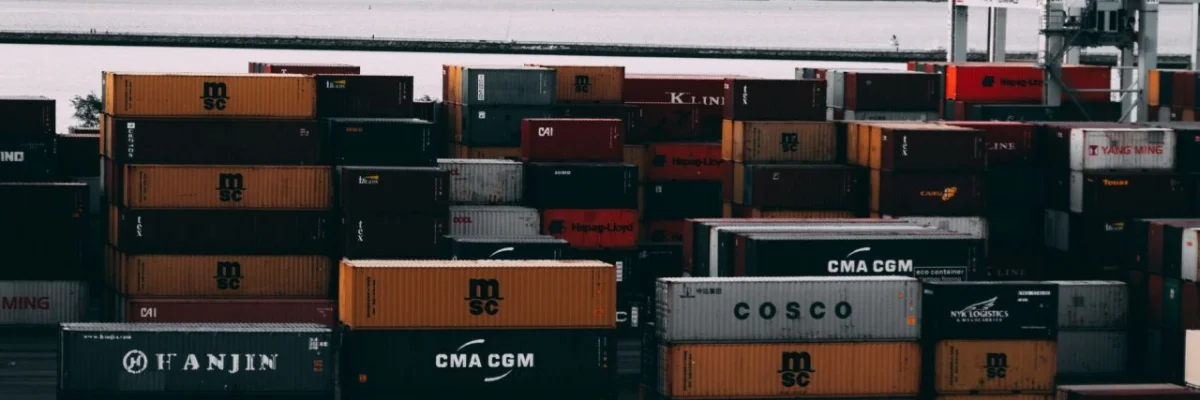
In the modern logistics landscape, freight forwarding professionals face increasing pressure to provide absolute transparency throughout the supply chain. Clients no longer accept vague estimates; they demand real-time data regarding the exact location of their shipments. As global trade becomes more volatile, the ability to monitor cargo across various transit points determines your operational success and client satisfaction. By integrating advanced tracking technologies into your daily workflows, you gain the visibility required to proactively manage exceptions. This guide explores how robust digital infrastructure transforms basic tracking tasks into a strategic advantage that drives long-term growth and strengthens your firm.
The Evolution of Visibility

Modern visibility tools provide deep insights into cargo status by connecting disparate data sources across global networks. Forwarders can now access automated status updates, allowing teams to move away from manual data entry and focus on higher-level decision making and exception resolution.
- Automated status updates: Systems now push real-time notifications directly to your dashboard, ensuring that every stakeholder remains informed about potential delays without the need for constant manual email inquiries.
- Data synchronization tools: Modern platforms integrate seamlessly with carrier APIs to consolidate tracking information from air, sea, and land providers into one single, unified source of truth.
- Predictive arrival modeling: Machine learning algorithms analyze historical transit data to provide more accurate estimated arrival times, helping you manage client expectations with a high degree of precision.
- Customer portal access: Providing clients with a self-service tracking portal reduces the administrative burden on your team while empowering customers to check shipment status at their convenience.
Adopting these advanced tools shifts your operation from reactive to proactive service delivery. By automating the data flow, your staff minimizes the time spent on repetitive tasks while maximizing the accuracy of information shared with partners. This shift not only improves internal efficiency but also builds significant trust with your customers, who appreciate the reliability and transparency provided by your digital freight forwarding platform.
Managing Supply Chain Exceptions
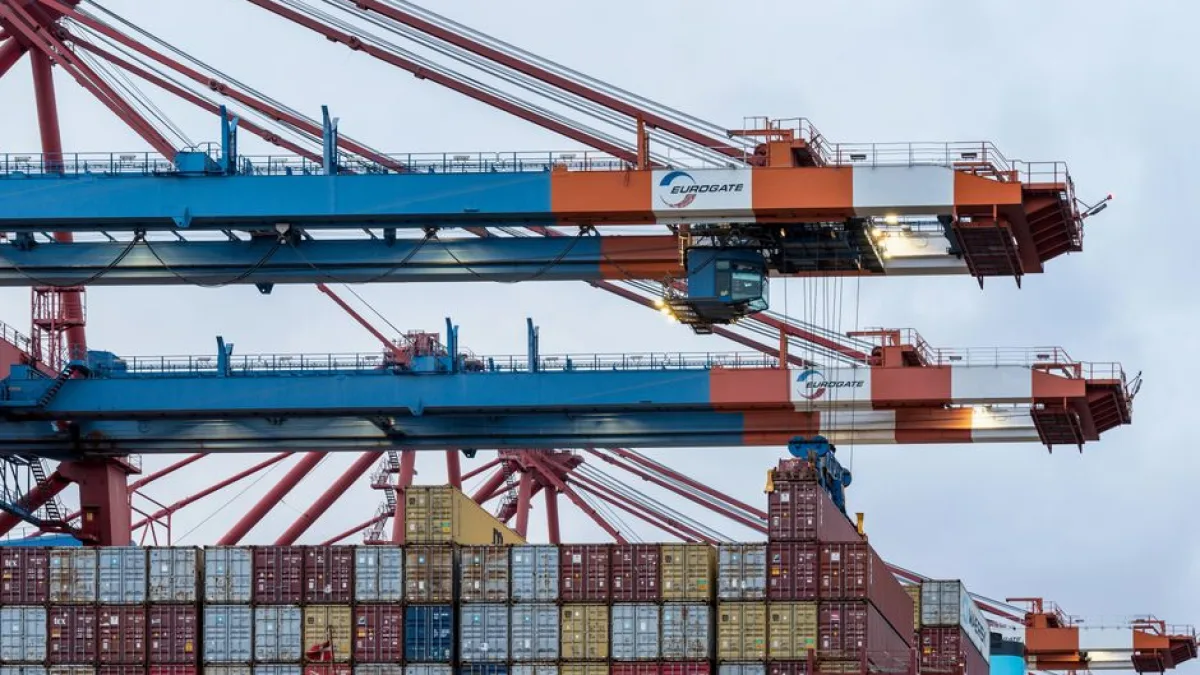
Disruptions are inevitable in international shipping, but effective forwarders manage them through rapid identification and communication. Using digital alerts, professionals can identify bottlenecks early, allowing for quick adjustments to routing or storage plans before they significantly impact the final delivery schedule.
- Early alert systems: Automated monitoring triggers immediate notifications when cargo deviates from the planned route, enabling your logistics team to intervene before a minor issue becomes a crisis.
- Contingency plan execution: Advanced software allows forwarders to store backup routing options, making it easier to reroute shipments quickly when port strikes or weather events block paths.
- Streamlined client communication: Having centralized data allows your account managers to send clear, factual updates during disruptions, which preserves client relationships even when logistical challenges occur unexpectedly.
- Root cause analysis: Modern tracking tools log every delay event, providing the historical data needed to evaluate carrier performance and avoid consistently unreliable transit routes in future.
Handling exceptions effectively distinguishes top-tier logistics firms from their competitors. When you provide clear, actionable information during a crisis, you demonstrate expertise and reliability to your clients. These moments of difficulty are where your software capabilities shine, as they allow you to navigate complex hurdles while maintaining a calm, professional approach that keeps all supply chain partners perfectly aligned throughout the process.
Leveraging Carrier Data Integration

True visibility requires deep integration with global carriers across all modes of transport. By pulling data directly from ocean liners and air carriers, freight forwarders eliminate the gaps in tracking that often lead to confusion during long transit periods at sea.
- Carrier API connectivity: Direct integration with major global shipping lines ensures that tracking data is updated automatically, removing the risk of errors associated with manual data entry.
- Multi-modal tracking visibility: Comprehensive platforms map the entire journey from factory floor to final destination, covering road, rail, air, and sea segments within one single interface.
- Error reduction measures: Removing the human element from tracking updates ensures that the information received by your clients is always current and derived directly from carrier systems.
- Scalable data management: Modern software handles thousands of tracking requests simultaneously, allowing your business to grow without requiring a proportional increase in administrative staff or manual overhead.
Integrating carrier data creates a solid foundation for every shipment you manage. It removes uncertainty and ensures that your internal data remains consistent with the status provided by the physical carriers. As you continue to scale your logistics operations, this technical integration acts as the engine that powers reliable service. It creates a seamless flow of information that keeps your entire operation functioning smoothly.
Building Client Trust Through Transparency

Transparency serves as the cornerstone of client retention in the competitive freight forwarding market. When clients feel they have complete visibility into their logistics spend and shipment progress, they are far more likely to maintain long-term partnerships with your forwarding firm.
- Customizable reporting features: Provide your clients with bespoke reports that highlight the metrics most important to their business goals, such as transit reliability or total cost analysis.
- Branded tracking experiences: Customize the tracking interface with your company logo and colors, reinforcing your brand identity while clients check the progress of their valuable commercial cargo.
- Proactive issue resolution: Demonstrating that you are aware of a shipment delay before the client notices builds massive credibility and shows that you are actively managing.
- Data security protocols: Ensure your tracking portal uses industry-standard encryption, protecting sensitive client supply chain information from unauthorized access while maintaining full compliance with international data regulations.
Transparency is not just about showing a status code; it is about providing peace of mind to your clients. By prioritizing clear communication and reliable digital updates, you establish your company as a trusted partner rather than a mere service provider. Investing in these transparency initiatives yields high dividends in client loyalty and creates a distinct competitive advantage for your freight forwarding business.
Conclusion

Mastering shipping and tracking is essential for the modern freight forwarder aiming to achieve sustainable growth. By leveraging automation, integrating carrier data, and prioritizing transparency, you build a resilient operation capable of overcoming any global supply chain challenge. Use these digital tools to elevate your service quality, satisfy your clients, and secure your place as a leading professional in the logistics industry.