Mastering Global Logistics Tracking for Freight Forwarders
Friday, September 25 2026

In the high-stakes world of international trade, the ability to provide real-time visibility is no longer a luxury but a fundamental necessity for every freight forwarder. As supply chain complexities increase, stakeholders demand instant access to shipment status, carrier updates, and milestone alerts. Modern cloud-based platforms now empower logistics providers to consolidate fragmented data sources into a single, unified interface. By adopting sophisticated digital tracking tools, forwarders can proactively address potential delays and enhance the overall experience for their clients. This evolution in shipment management builds long-term trust and drives operational efficiency throughout the entire international transportation lifecycle.
The Evolution of Visibility

Advanced tracking dashboards represent the modern standard for global logistics visibility by integrating live data feeds directly from carriers. These platforms eliminate manual entry errors while providing a clear overview of cargo status across all transit modes for logistics experts.
- Real-time data integration: Automated systems pull live status updates from shipping lines and airlines directly into your platform to ensure that every stakeholder has the latest information instantly.
- Automated milestone alerts: Configure custom triggers that send email or text notifications to clients whenever a container reaches a key transit point or faces an unexpected delay.
- Centralized document access: Upload bills of lading and commercial invoices directly to the tracking record so that your clients can retrieve essential paperwork without constant email communication.
- Customized client portals: Provide a branded experience for your customers where they can view their specific shipping history and current inventory levels with just a few clicks.
Adopting a centralized dashboard transforms the way your agency communicates with global partners. By reducing the reliance on phone calls and scattered emails, your team gains more time to focus on complex logistical challenges. Digital visibility fosters a culture of transparency that strengthens client relationships, ensuring your firm remains the preferred choice in a competitive market that demands instant, accurate data.
Mitigating Transit Delays
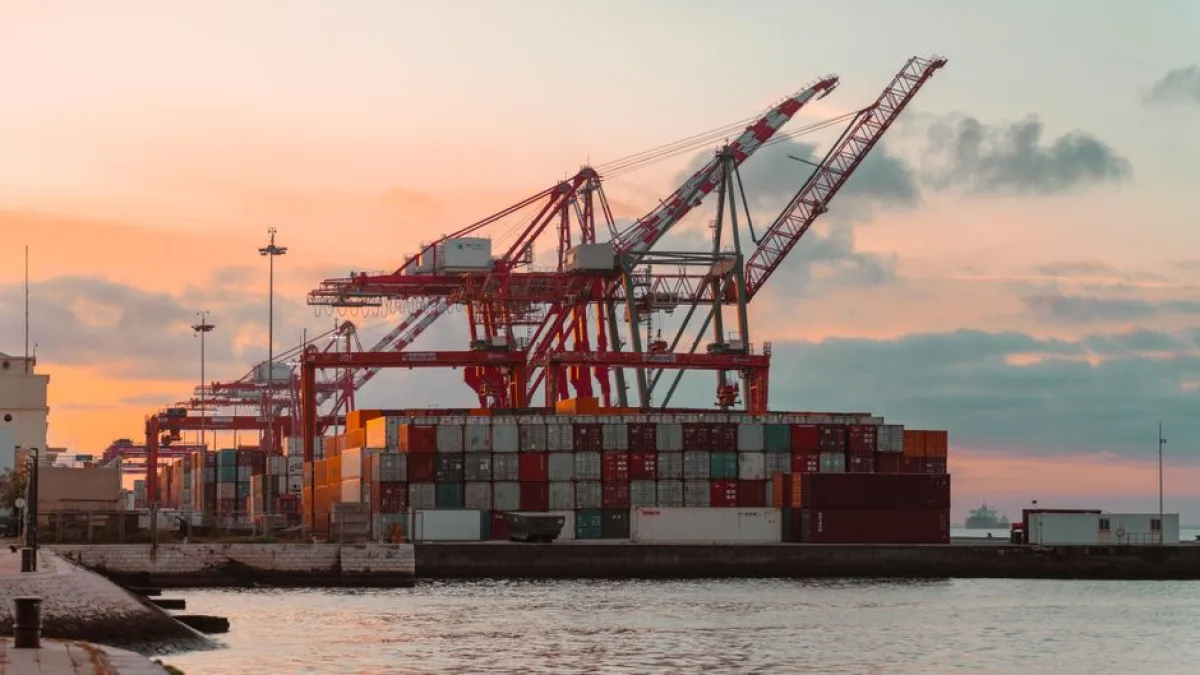
Proactive delay management is the hallmark of a high-performing freight forwarder. When systems identify bottlenecks early, teams can communicate alternative routes and solutions to customers before the impact on the final delivery schedule becomes severe and unmanageable for them.
- Proactive disruption alerts: Advanced algorithms monitor weather patterns and port congestion data to warn your team about potential disruptions before they start affecting your current shipping schedules.
- Dynamic routing adjustments: Utilize intelligent software tools to recalculate delivery timelines and suggest alternative transit options when a primary route faces significant strikes or unforeseen operational shutdowns.
- Exception management workflows: Create standardized internal processes for your team to follow when a shipment misses a connection to ensure rapid resolution and minimal cargo dwell.
- Direct carrier communication: Integrated messaging tools allow your operations staff to query shipping lines directly from within the tracking file to resolve clearance issues very quickly.
Effective delay mitigation relies on the quality of the information available to your logistics coordinators. By using cloud tools to anticipate problems, you shift from a reactive state to a strategic partnership model. Clients value providers who identify risks and present viable solutions early, ultimately protecting their supply chains and reinforcing the professional reliability that defines your firm's reputation today.
Enhancing Customer Communication

Effective communication strategies rely on consistent information flows that keep your clients informed at every single stage of their shipment. Modern logistics requires a blend of automation and personalized human oversight to manage customer expectations with consistent precision.
- Automated status reporting: Set up scheduled reports that provide clients with a summary of their cargo movements, ensuring consistent contact without requiring manual effort from your staff.
- Integrated communication history: Maintain a clear record of all internal and external messages attached to specific shipments to keep every team member fully aligned throughout.
- Personalized client dashboards: Customize the interface to display specific metrics and data fields that matter most to your individual clients based on their unique operational requirements.
- Instant feedback loops: Include quick survey links within tracking updates to gather valuable insights into how your services meet client expectations for speed and transparency.
When you prioritize clear and constant communication, you significantly reduce the volume of status inquiries handled by your operations desk. Providing clients with self-service tools empowers them to manage their own schedules while keeping them informed of progress. This approach frees up your staff to handle high-value tasks, ensuring that your firm remains efficient, responsive, and highly trusted by partners.
Data Analytics for Efficiency

Data analytics enable freight forwarders to identify trends and optimize their operations for maximum long-term profitability. By studying historical transit data, your team can refine vendor selections and improve service levels across the board for all global shipping lanes.
- Performance metric tracking: Analyze transit times and carrier reliability scores to identify which shipping lines provide the best value and performance for your specific cargo lanes.
- Operational cost optimization: Review historical data to uncover hidden expenses in your shipping processes, allowing you to negotiate better rates or choose more efficient transit routes.
- Strategic business forecasting: Use accumulated data to predict seasonal capacity crunches, helping you book space in advance and avoid the high costs of last-minute spot bookings.
- Service quality monitoring: Compare customer satisfaction ratings against your operational performance data to pinpoint exactly where you need to improve your service delivery processes and procedures.
Turning raw logistics data into actionable intelligence is a major competitive advantage for growing freight forwarding businesses. By continuously analyzing your performance, you can make informed decisions that reduce costs and improve the customer experience simultaneously. Investing in tools that provide deep analytical insights will ensure your firm stays ahead of the industry curve and maintains a strong, sustainable growth trajectory.
Conclusion

Leveraging advanced technology for shipping and tracking is essential for modern freight forwarders aiming to scale. By integrating live visibility, proactive delay management, and robust data analytics, your firm can elevate service standards significantly. Embrace these digital tools today to optimize your logistics operations, strengthen client trust, and secure a sustainable competitive advantage in the global market. Your journey toward smarter shipping begins now.