Mastering Global Logistics Tracking for Modern Freight Forwarders
Wednesday, September 30 2026
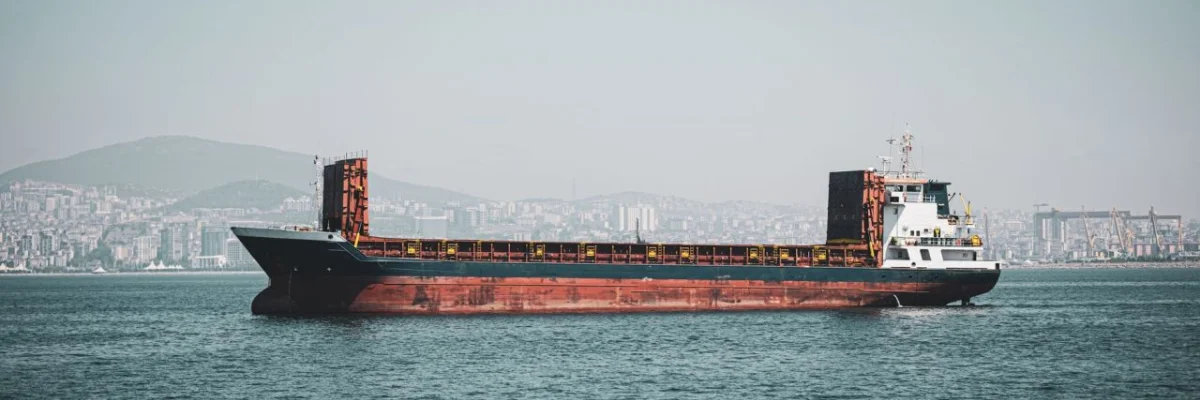
In the modern logistics landscape, the ability to track shipments with precision is the defining factor for success. Freight forwarders often grapple with fragmented data, manual updates, and communication gaps that threaten operational efficiency and customer trust. Transitioning to a centralized, cloud-based platform allows teams to aggregate real-time milestones into a single pane of glass. By prioritizing transparency and digital connectivity, forwarders can proactively manage exceptions rather than reacting to delays. This shift not only strengthens client relationships but also optimizes resource allocation, ensuring that cargo moves seamlessly through complex supply chains while maintaining strict operational standards globally.
Optimizing Real-Time Visibility
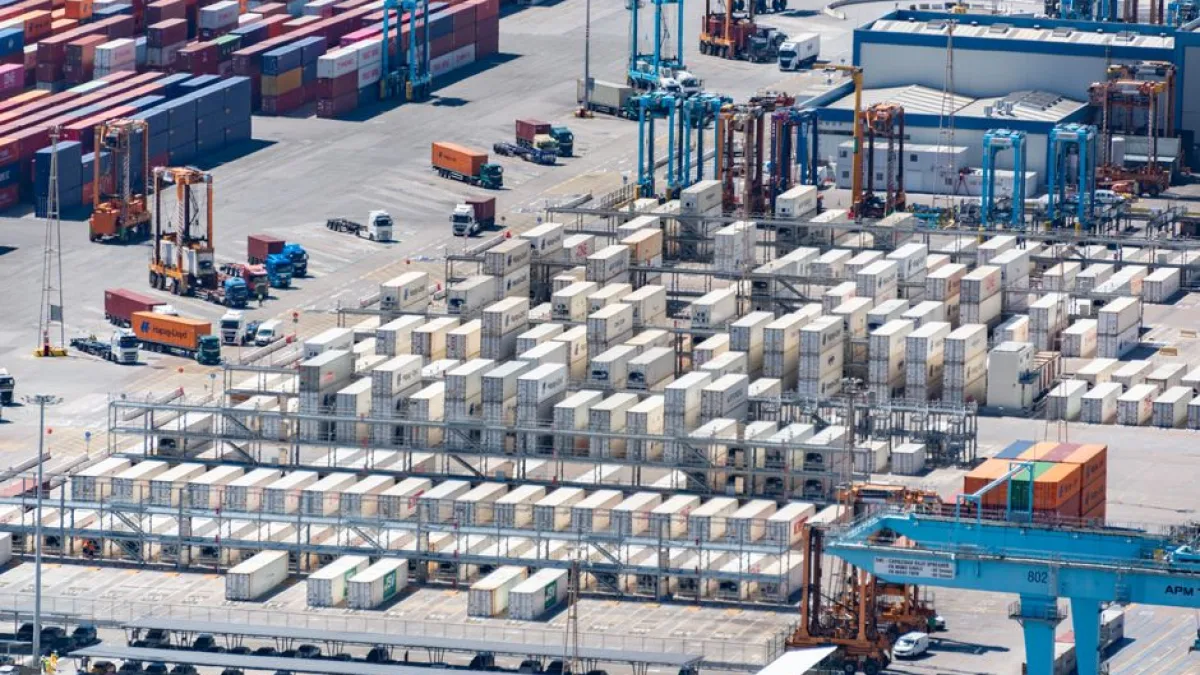
Digital visibility tools provide a clear window into port activities and vessel movements. By utilizing cloud technology, forwarders can monitor every stage of the journey, ensuring that stakeholders receive accurate status updates without relying on outdated email chains or fragmented manual spreadsheets.
- Automated status updates: Implementing automated triggers keeps clients informed whenever a container hits a terminal gate, reducing the time your staff spends answering manual inquiry emails every single day.
- Integrated vessel tracking: Modern software platforms leverage satellite data to provide precise vessel positions, allowing you to predict arrival times with greater accuracy than traditional carrier schedules allow.
- Centralized data dashboards: Consolidating shipment records into a single interface prevents information silos, enabling your team to access critical documentation and location updates from any location or device.
- Proactive exception management: Advanced alerts notify your logistics team immediately when a shipment deviates from the planned route, allowing for faster problem solving before significant delays affect customers.
Achieving total visibility is not merely about tracking hardware but about empowering your staff with actionable intelligence. When every team member sees the same data, the speed of decision making increases significantly. This operational consistency allows you to offer premium service levels that distinguish your freight forwarding business from competitors who still rely on legacy communication methods and slower, disconnected manual reporting processes.
Streamlining Carrier Communication

Effective communication between forwarders and carriers is essential for seamless logistics. Advanced platforms digitize these exchanges, replacing error prone manual entries with synchronized data streams that ensure all parties work from the same reliable, real-time logistics information at all times.
- Unified messaging portals: Dedicated portals allow for structured communication, ensuring that all correspondence regarding specific bills of lading or container issues is stored directly within the shipment file.
- Standardized data exchange: Utilizing standardized formats for electronic data interchange reduces misunderstandings between carriers and forwarders, leading to fewer clerical errors throughout the entire booking and shipping lifecycle.
- Real time chat features: Integrated messaging tools allow your team to resolve documentation queries instantly, eliminating the long delays often caused by traditional phone calls or fragmented email threads.
- Automated carrier notifications: Triggering instant notifications to carriers ensures they are always aware of your specific documentation requirements or pickup time changes, minimizing bottlenecks at busy port terminals.
Digital connectivity bridges the gap between your office and the carrier network. By automating the flow of information, you minimize the risk of miscommunication that often leads to costly demurrage or detention charges. These streamlined communication channels allow your operations team to focus on strategic tasks rather than chasing status updates, ultimately improving the overall quality and reliability of your service delivery.
Leveraging Predictive Analytics

Predictive analytics turn historical shipping data into powerful foresight. By analyzing previous performance metrics, forwarders can anticipate potential congestion, identify the most efficient routes, and provide clients with accurate forecasts that enhance their supply chain planning and overall logistics strategy.
- Route performance analysis: Reviewing historical data helps identify which shipping lanes are prone to congestion, allowing your team to offer better routing recommendations to your logistics clients annually.
- Carrier reliability scoring: Tracking on time performance metrics allows you to evaluate your shipping partners objectively, ensuring that you select the most dependable carriers for your clients.
- Predictive delay modeling: Sophisticated algorithms can forecast potential port delays based on historical patterns, giving you a head start in adjusting schedules before issues become critical incidents.
- Operational efficiency reporting: Analyzing the time spent on specific tasks helps managers identify bottlenecks in their internal processes, leading to better resource allocation and higher staff productivity.
Data driven insights are the backbone of modern freight forwarding success. When you understand the underlying patterns of your global shipments, you stop guessing and start leading with confidence. These analytics allow you to offer advisory services to your clients, positioning your firm as a strategic partner rather than just a service provider, which fosters long term loyalty and consistent business growth.
Enhancing Client Transparency

Providing clients with self service portals builds trust and authority. Empowering customers to view their own shipment statuses and download essential documents directly reduces the administrative burden on your team while providing the transparent service that modern businesses demand.
- Customer facing portals: Giving your clients access to a dedicated dashboard allows them to track their freight independently, creating a high degree of transparency and professional trust.
- Instant document access: Uploading bills of lading and invoices to a secure client portal ensures that your customers have 24/7 access to the paperwork they need immediately.
- Customized alert preferences: Allowing clients to choose which tracking milestones they want to follow ensures they receive relevant notifications without being overwhelmed by excessive, unnecessary email status reports.
- Visual tracking maps: Displaying shipment locations on interactive maps provides a clear and intuitive way for clients to visualize the progress of their cargo across global routes.
Building a transparent relationship with your clients is the most effective way to ensure repeat business. By offering self service tools, you respect the client's need for information while freeing your own staff to focus on high value tasks. This balance of automation and personal service creates a superior experience that defines the modern freight forwarding standard and ensures your market competitiveness.
Conclusion

Mastering logistics tracking is a continuous process that demands the right digital tools and a commitment to data transparency. By implementing cloud based platforms, freight forwarders can successfully automate communication, leverage analytics, and provide clients with the clarity they deserve. Adopting these modern technologies will ensure your logistics operations remain agile and resilient while fostering stronger, long-term partnerships across your global supply chain network.