Mastering Global Logistics Tracking for Modern Freight Forwarders
Wednesday, September 30 2026

In the fast-paced world of international trade, the ability to provide real-time visibility is no longer a luxury but a fundamental requirement for freight forwarders. Clients demand instant updates on cargo status, location, and potential arrival delays across complex global supply chains. By leveraging cloud-based platforms like MakeCargo, logistics professionals can transition from reactive communication to proactive management. This evolution enhances operational efficiency, reduces manual tracking tasks, and builds long-term trust with shippers. Achieving total transparency requires mastering digital tools that unify disparate data streams into a single, cohesive view for your entire logistics network.
Optimizing Data Visibility
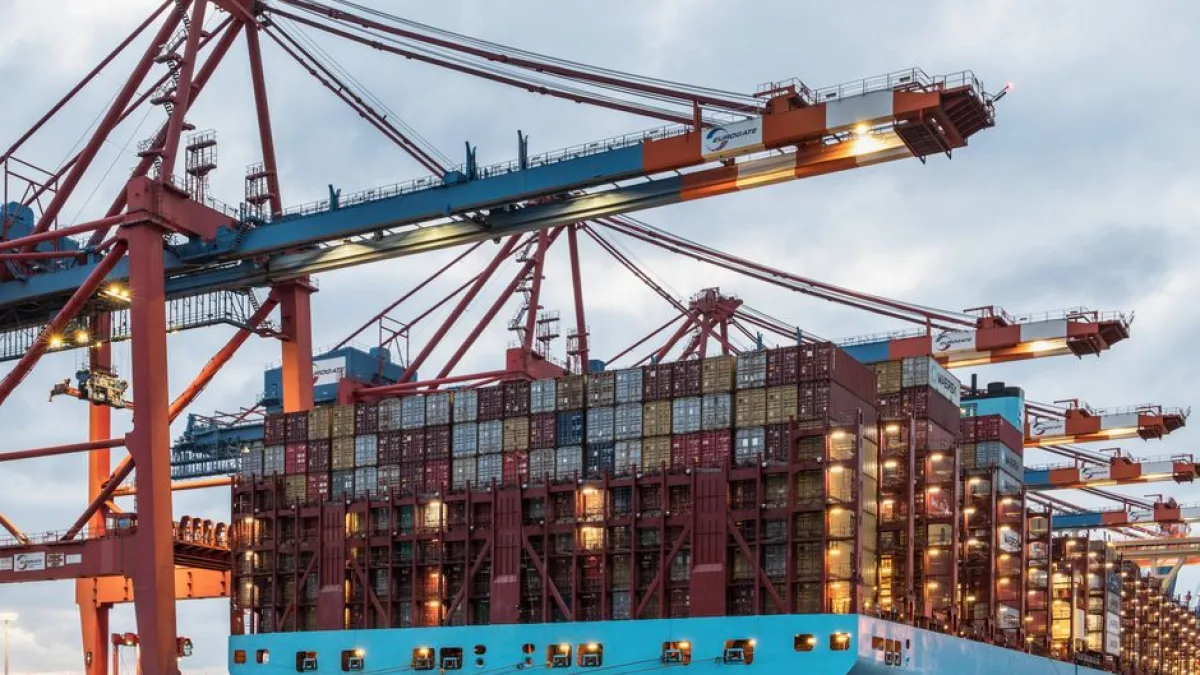
Digital visibility transforms how forwarders handle cargo monitoring. By integrating automated tracking solutions, companies can capture critical events directly from carriers. This unified approach eliminates manual data entry, reduces human error, and ensures that stakeholders always access the most current shipment data available.
- Automated status updates: Real-time information flows directly into your software platform, removing the need for manual check-ins with carriers and saving your team hours of tedious administrative work daily.
- Centralized shipment dashboard: All your critical transit data is stored in one secure digital location, allowing your staff to oversee thousands of concurrent shipments with total operational clarity.
- Proactive anomaly alerts: Smart notification systems identify potential bottlenecks or customs delays immediately, allowing your operations team to resolve issues before they escalate into costly logistics service failures.
- Enhanced client reporting: Generate professional, branded reports for your customers instantly, demonstrating high-level transparency that strengthens your professional reputation and secures long-term business partnerships with major global shippers.
Adopting an integrated data strategy enables freight forwarders to minimize communication gaps effectively. When every stakeholder operates using a shared, accurate version of the truth, decision-making speed increases dramatically. This level of digital sophistication allows your team to focus on high-value logistics challenges rather than hunting for basic tracking updates, ultimately resulting in a more resilient and responsive supply chain management ecosystem.
Leveraging Real Time Analytics

Advanced analytics tools provide deep insights into shipment patterns and carrier performance. Forwarders use these metrics to optimize routing decisions, evaluate partner reliability, and refine service levels. Turning raw tracking data into actionable intelligence is essential for maintaining a competitive edge in logistics.
- Carrier performance metrics: Analyze historical data to identify which shipping lines or agents consistently meet deadlines, empowering you to select the most reliable partners for your clients.
- Predictive delay modeling: Sophisticated algorithms assess weather patterns and port congestion to forecast potential arrival changes, helping you proactively manage customer expectations during peak shipping seasons.
- Resource allocation optimization: Review transit time trends to better plan your internal staff workloads, ensuring your logistics operations remain balanced during high-volume periods throughout the busy year.
- Cost trend analysis: Track landed costs versus budget projections to identify unnecessary expenditures, allowing you to provide transparent financial oversight and value-added consulting services to your customers.
Transforming raw logistics data into meaningful insights requires robust software capabilities. By evaluating long-term performance indicators, forwarders move beyond simple tracking toward strategic supply chain optimization. This proactive methodology not only stabilizes your internal operations but also positions your company as a data-driven expert. Utilizing these analytical tools ensures that every shipment decision is backed by clear evidence and historical intelligence.
Enhancing Customer Communication

Proactive communication serves as the backbone of modern freight forwarding success. Keeping customers informed about their cargo status builds immense trust. When forwarders use automated tools to share transparent updates, they significantly reduce the burden of incoming inquiries, allowing staff to focus on complex tasks.
- Self-service customer portals: Empower your clients to log into a secure digital environment where they can track their own shipments whenever they need immediate status updates.
- Automated email notifications: Configure custom triggers that automatically send status alerts to customers whenever a shipment reaches a milestone, ensuring they remain informed throughout the journey.
- Document sharing efficiency: Eliminate email clutter by hosting essential shipping documents directly within the tracking portal, providing clients with instant access to invoices and bills of lading.
- Direct messaging features: Facilitate clear communication within the tracking platform, ensuring that every conversation about a specific shipment is documented and accessible to all team members.
Superior customer service depends on seamless transparency and reliability. By providing clients with direct access to their shipment data, you foster a sense of control and confidence. This reduces frustration and creates a professional atmosphere where logistics challenges are managed openly. Prioritizing clear digital communication paths is essential for maintaining strong client retention rates in an increasingly competitive global freight market.
Securing Supply Chain Integrity

Ensuring the security and integrity of shipment data is paramount for freight forwarders. With the rise of digital threats, protecting sensitive cargo information is just as important as the physical transit itself. A secure, cloud-based platform provides the safety net required for modern trade.
- End-to-end data encryption: Protect your sensitive client information and shipment details with advanced security protocols that ensure unauthorized third parties cannot access or intercept your business data.
- User access controls: Define specific permissions for different staff members and external partners, ensuring that stakeholders only see the information relevant to their specific role or project.
- Automated audit trails: Maintain a complete, tamper-proof history of every change made to shipment records, ensuring full accountability for all actions performed within your logistics software platform.
- Cloud based resilience: Utilize secure server infrastructure that provides consistent uptime and daily backups, protecting your critical business data from physical site failures or local hardware issues.
Investment in robust digital security measures builds professional credibility and safeguards your operational longevity. As global supply chains become more digitized, the importance of maintaining data integrity cannot be overstated. By choosing secure software solutions, your firm demonstrates a commitment to high-level data protection. This ensures peace of mind for your clients while hardening your infrastructure against modern digital logistics threats.
Conclusion

Modernizing your approach to shipping and tracking is essential for success in today's volatile global market. By embracing digital visibility, analytical intelligence, and secure communication platforms, freight forwarders can transform their operational efficiency. MakeCargo helps you consolidate these capabilities, providing the tools necessary to stay ahead. Start optimizing your logistics workflow today to ensure long-term growth and superior client satisfaction for your forwarding business.