Mastering Global Logistics Tracking for Freight Forwarders
Friday, October 2 2026

In the rapidly evolving world of international trade, the ability to provide real-time shipment visibility has become the defining characteristic of a top-tier freight forwarder. Modern supply chains are complex and susceptible to constant disruptions, making robust tracking technology an absolute necessity rather than a luxury. By leveraging digital platforms, forwarders can transform raw data into actionable insights that empower their clients. This transition from manual tracking to automated systems improves operational efficiency, reduces communication overhead, and builds lasting trust. As we explore modern tracking strategies, your agency can secure a competitive edge by mastering these essential digital logistical workflows today.
The Evolution of Visibility
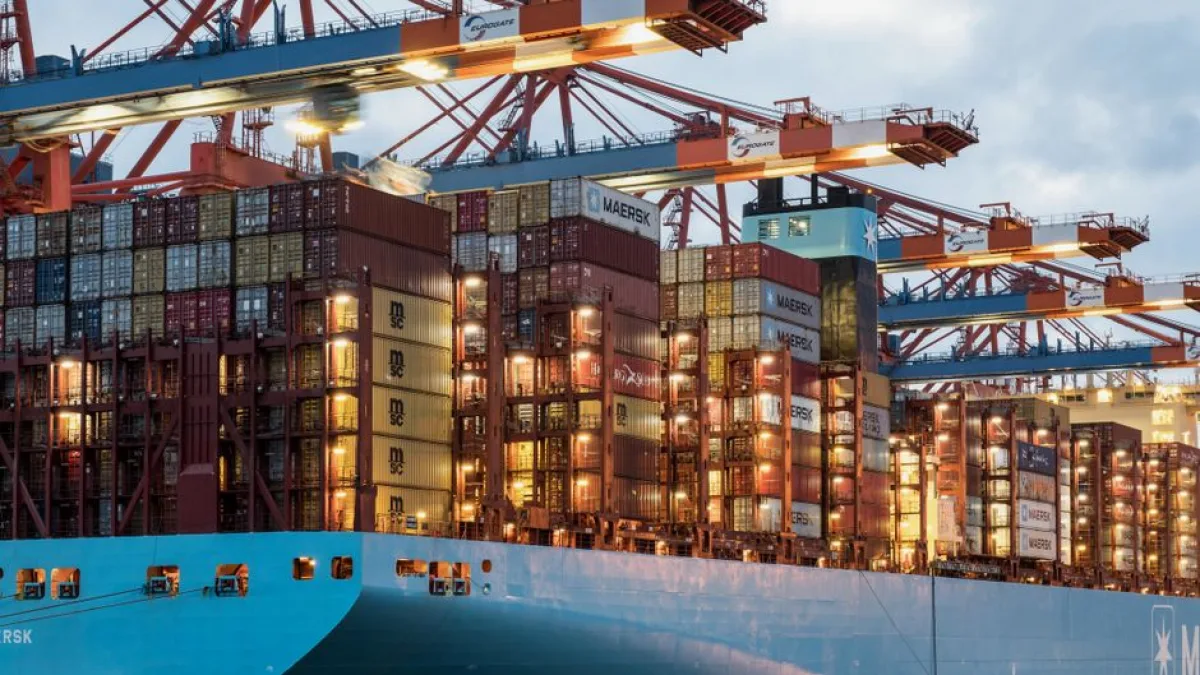
Digital transformation has fundamentally shifted how freight professionals monitor shipments across various oceans and transit hubs. By integrating live tracking interfaces, forwarders move beyond static updates, providing shippers with granular details about container locations, transit milestones, and potential customs delays in real time.
- Automated Data Streams: Seamlessly integrate carrier APIs into your existing software to pull live status updates directly into your client portal without manual intervention or time consuming data entry.
- Proactive Exception Management: Identify potential bottlenecks or transit delays early by setting up automated alerts that notify your team before a minor shipping issue becomes a major crisis.
- Unified Tracking Dashboard: Consolidate data from multiple ocean carriers and local trucking partners into a single view to eliminate the need for checking disparate websites during the day.
- Client Self-Service Portals: Provide your customers with a secure web interface where they can track their own cargo status, which significantly reduces the volume of status inquiry emails.
Adopting these technological advancements allows your team to focus on high-value problem solving rather than administrative tracking tasks. By automating routine visibility updates, you create a more resilient logistics chain that survives modern volatility. Your clients will appreciate the transparency, leading to stronger retention rates and higher profitability. Embrace these digital tools now to ensure your firm remains at the forefront of the industry.
Optimizing Data Accuracy Standards

Reliable tracking is only as good as the underlying data quality, requiring rigorous standards for inputting and verifying information. Freight forwarders must ensure that tracking identifiers, such as container numbers and bill of lading digits, are entered correctly into their cloud management systems.
- Standardized Input Protocols: Implement strict validation rules within your software to prevent common entry errors, ensuring that all tracking identifiers follow the correct formatting for global carrier databases.
- Validation API Integration: Utilize real-time validation tools that automatically check provided container numbers against master lists to verify authenticity before the shipment data enters your primary tracking system.
- Cross-Platform Synchronization: Maintain consistency across all digital touchpoints by syncing your internal records with external carrier systems, preventing discrepancies that often cause confusion for your valued shipping clients.
- Regular Data Audits: Schedule recurring reviews of your digital logs to remove duplicate entries or outdated tracking links, keeping your database clean and efficient for your operations team.
Data integrity acts as the foundation for excellent customer service and operational excellence in logistics. When your tracking information is precise and up-to-date, you reduce friction during the customs clearance process and minimize the risk of costly demurrage fees. Commit to these data standards today to streamline your workflow and demonstrate professional reliability to every stakeholder involved in your international shipping network.
Enhancing Communication Through Technology

Technological integration significantly improves the way forwarders share tracking updates with stakeholders across the global supply chain. By moving away from email chains, you can distribute critical shipment milestones to the right parties automatically, keeping everyone aligned without manual effort or delays.
- Instant Notification Triggers: Configure your software to send automatic email or SMS updates whenever a cargo container reaches a major port, passes customs inspection, or departs for delivery.
- Secure Document Sharing: Attach digital copies of shipping documents like commercial invoices and packing lists directly to the tracking record so that clients have everything they need immediately.
- Collaborative Internal Notes: Use shared digital logs to keep your team informed about specific shipment nuances, ensuring that everyone communicates the same accurate information to your customers.
- Customizable Client Alerts: Allow your clients to choose their preferred frequency for receiving tracking updates, providing a personalized experience that respects their specific communication requirements and business needs.
Improving your communication strategy helps you build deeper professional relationships with shippers and consignees alike. When stakeholders have immediate access to their shipment status, they can plan their inventory and production schedules more effectively. This level of clarity establishes your brand as a proactive partner in their growth. Invest in these communication tools to turn routine updates into a core loyalty asset.
Building Scalable Logistics Infrastructure

Scalability ensures that your tracking operations remain efficient even as your shipment volumes grow. Using cloud-based freight software allows your firm to handle an increasing number of containers while maintaining high-quality visibility, effectively preventing your support team from being overwhelmed by repetitive customer inquiries.
- Cloud Software Scalability: Choose a robust platform that easily handles thousands of tracking requests simultaneously without slowing down, allowing your business to expand into new markets with ease.
- API-Driven Connectivity: Leverage flexible application interfaces to connect with new local agents and international carriers, ensuring that your tracking capabilities scale alongside your expanding global vendor network.
- Modular Software Features: Adopt a system that offers additional plugins as your requirements evolve, ensuring you only pay for the specific logistical tracking features you truly need today.
- Disaster Recovery Planning: Utilize cloud-native backups for all tracking history and shipment data, ensuring your operation remains functional even if local hardware fails or connectivity is interrupted.
Building a scalable foundation is critical for any forwarder aiming to achieve long-term success. By investing in flexible cloud-based infrastructure, you remove technical barriers to growth and prepare your firm for the complexities of tomorrow. Take control of your logistical future by selecting technology that evolves as fast as your business does, keeping your operations lean, efficient, and ready for global challenges.
Conclusion
Modernizing your tracking process is essential for maintaining a competitive edge in today's logistics industry. By implementing these digital tools and data standards, you ensure that your team delivers exceptional value and visibility to every client. Start small by automating your primary communication workflows and watch as your operational efficiency improves significantly. Success in shipping depends on technology, transparency, and a commitment to innovation.