Mastering Global Logistics Tracking for Freight Forwarders
Friday, October 16 2026
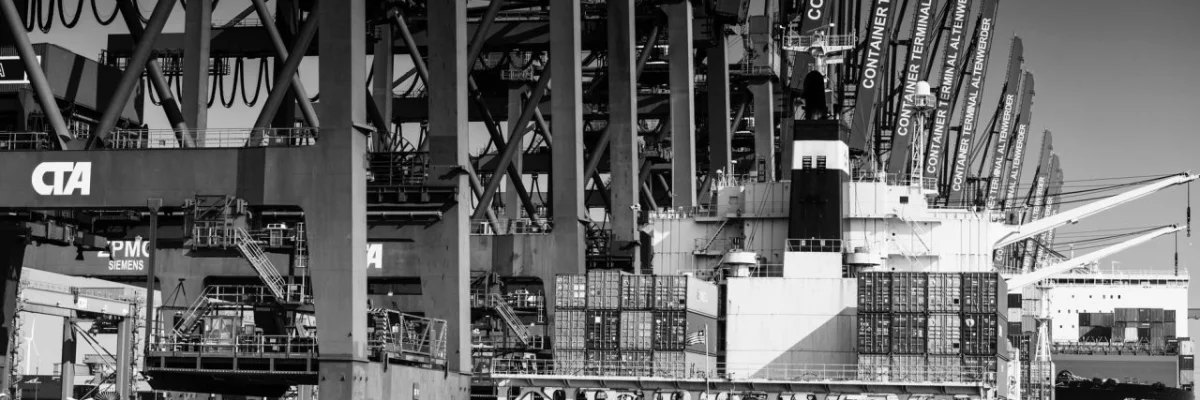
In the fast-paced world of international trade, freight forwarders face constant pressure to provide accurate visibility for every shipment. As supply chain complexities grow, the demand for real-time tracking has shifted from a premium service to a basic expectation. Clients now require instant updates on cargo status, location, and potential delays to maintain their own inventory operations. Leveraging advanced technology platforms like MakeCargo allows forwarders to move beyond manual updates, creating a competitive advantage through transparency. Embracing digital tracking solutions is no longer optional for businesses aiming to thrive in the modern shipping landscape and build lasting client trust.
Optimizing Real-Time Shipment Visibility
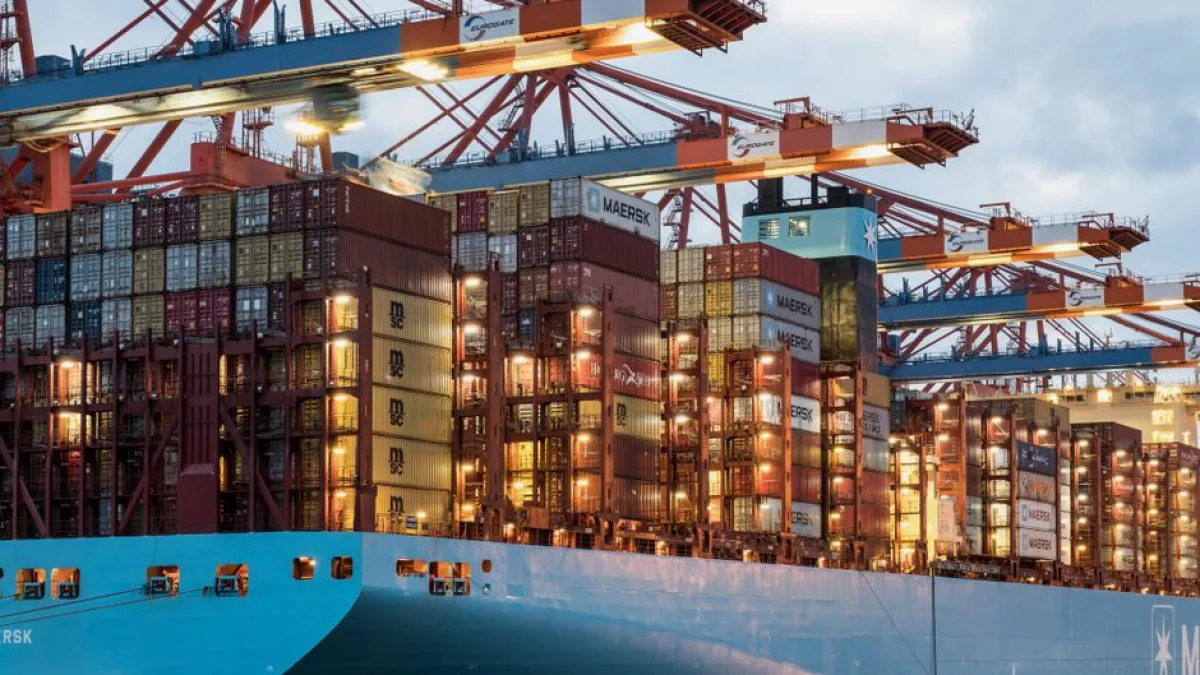
Digital transparency relies on integrating live data streams from carriers and port authorities directly into your operations. By automating the flow of information, freight forwarders can effectively monitor cargo movements without needing to manually query every carrier website or phone contact.
- Live tracking integration: Connect your platform with major ocean and air carriers to pull automated status updates that keep your clients informed without requiring constant manual data entry work.
- Proactive delay alerts: Receive immediate notifications regarding vessel schedule changes or port congestion so you can inform your customers early and suggest alternative routing solutions to maintain delivery.
- Centralized data dashboard: Consolidate all shipping documents and milestone status updates into one unified view to reduce time spent searching for information across multiple disconnected carrier email threads.
- Automated status updates: Configure your software to send trigger-based emails to stakeholders whenever a container hits a key milestone, ensuring they remain updated without your direct intervention.
Achieving total visibility transforms your relationship with clients by shifting the focus from crisis management to proactive service. When you provide reliable data instantly, you reduce the volume of manual inquiries that clutter your inbox every day. This efficiency empowers your team to focus on high-value logistics tasks while your software manages the heavy lifting of routine status updates and information synchronization.
Streamlining Documentation and Compliance Workflows

Managing global shipments involves complex documentation processes that must stay aligned with actual vessel movements. Synchronizing your digital tracking data with customs and trade documents is essential for ensuring that compliance tasks are executed without causing any unnecessary shipping delays.
- Document automation tools: Generate essential shipping paperwork directly from your tracking data to ensure that bills of lading and invoices match the current status of your cargo.
- Compliance monitoring systems: Track regulatory requirements alongside physical transit milestones to ensure that all necessary declarations are submitted well before the cargo reaches the destination port customs.
- Secure digital storage: Keep all shipment related documents in a cloud-based repository that is accessible to authorized stakeholders, reducing the risk of lost files during critical transit.
- Version control features: Implement strict controls to manage document revisions so that every party is always viewing the most current version of a packing list or invoice.
Digital documentation workflows eliminate the typical bottlenecks caused by paper-based record keeping. By linking your tracking platform to document management, you ensure that every change in cargo status is immediately reflected in the required paperwork. This integration minimizes human error, speeds up customs clearance times, and provides a clear audit trail that keeps your operations compliant and highly efficient year round.
Leveraging Advanced Data Analytics Tools

Data is a powerful asset when you use it to identify trends and improve your logistics performance. By analyzing historical shipping patterns, forwarders can make better decisions regarding carrier selection, route planning, and capacity management to boost overall profitability and service quality.
- Performance metric analysis: Evaluate the reliability of different carriers based on their historical transit times and current success rates to guide your future booking decisions and strategies.
- Trend identification reports: Identify seasonal patterns in port congestion or shipping delays to better advise your clients on inventory planning and optimize their overall transit schedules.
- Cost impact studies: Measure how different routing choices affect total landed costs to ensure you are providing the most economical and efficient options to your various customers.
- Predictive shipping modeling: Utilize past tracking data to forecast future cargo availability, helping your logistics team prepare for expected peaks in demand across specific international trade lanes.
Analytical insights turn raw logistics data into actionable business intelligence. Instead of looking only at the present, you can start forecasting future challenges before they impact your margins. By understanding the root causes of previous delays, you can optimize your shipping strategies and deliver superior value to your clients. This data-driven approach positions your firm as a strategic partner rather than just a provider.
Enhancing Client Communication and Trust

Clear communication is the foundation of any successful freight forwarding business. When you provide clients with easy access to their shipment data, you foster a sense of control and reliability that builds long-term loyalty and reduces the stress associated with complex global supply chain logistics.
- Customer portal access: Provide your clients with a secure login to a branded portal where they can monitor their shipments in real time at their convenience.
- Branded status reports: Share professional, automated reports that reflect your brand identity, ensuring that every touchpoint reinforces your commitment to quality and professional logistics service levels.
- Interactive support tools: Enable direct communication channels within your tracking platform so that clients can ask questions specific to a shipment without switching to external email.
- Proactive service updates: Send personalized messages when shipments reach critical points, demonstrating that your team is actively managing their freight even when everything is running smoothly.
Modern clients demand a high level of digital sophistication from their logistics partners. By offering a transparent and professional tracking experience, you differentiate your brand in a crowded market. This consistent communication approach builds deep trust, encourages repeat business, and transforms your client interactions. Investing in these digital touchpoints is a strategic move that strengthens your reputation and supports sustainable business growth.
Conclusion
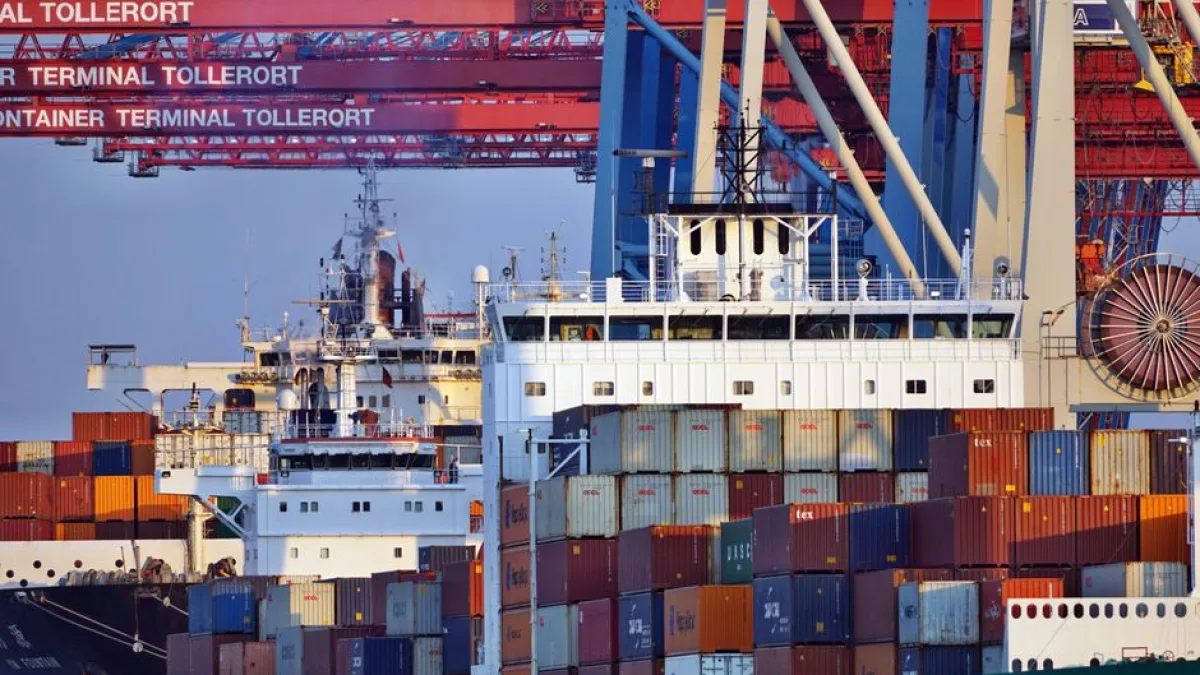
Building a modern freight forwarding practice requires the right tools to manage global complexity. By focusing on real-time tracking, automated documentation, data analytics, and transparent communication, your team can achieve operational excellence. Start by evaluating your current digital workflows and identify areas where technology can replace manual labor. Partnering with a cloud-based platform ensures that your logistics operations remain agile, efficient, and ready for future challenges.