Mastering Global Logistics Tracking for Modern Freight Forwarders
Monday, October 26 2026

In the fast-paced world of international trade, the ability to track shipments with precision defines your operational success and client trust. As global supply chains grow increasingly complex, freight forwarders must transition from manual spreadsheets to intelligent, automated systems. Visibility is no longer a luxury but a core requirement for businesses handling volatile markets. By leveraging cloud-based platforms like MakeCargo, forwarders gain a competitive edge through real-time data synchronization. This shift not only eliminates costly communication gaps but also empowers your team to proactively manage exceptions, ensuring that cargo moves seamlessly from origin to destination without unnecessary delays or hidden expenses.
Optimizing Real-Time Shipment Visibility
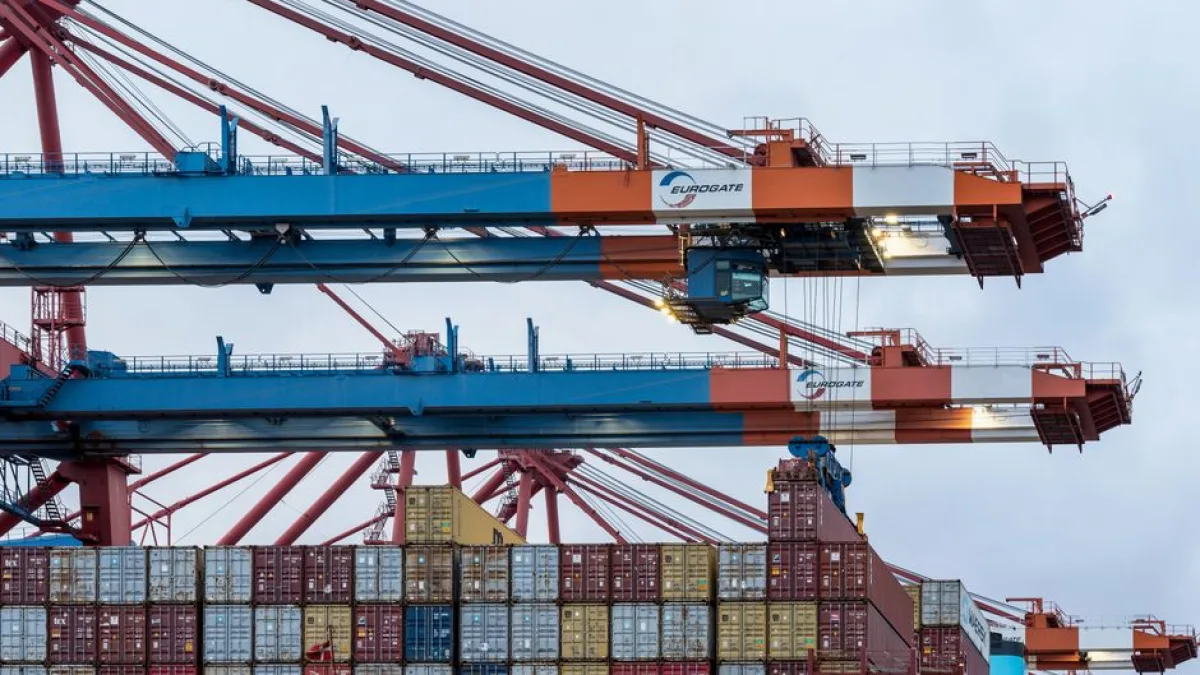
Real-time visibility acts as the heartbeat of modern logistics, providing constant updates on cargo status and location. By integrating automated tracking technologies, forwarders transform uncertainty into actionable insights, allowing them to anticipate potential bottlenecks before they impact the final delivery schedule for clients.
- Automated status updates: Eliminate manual data entry by utilizing direct API integrations with carriers, ensuring that your tracking portal reflects the exact status of every shipment in real-time.
- Proactive exception management: Identify potential transit delays through automated alerts, enabling your operations team to resolve issues rapidly before they escalate into major customer service disputes or complaints.
- Enhanced client communication: Provide your customers with a secure, branded tracking portal that offers 24-7 access to shipment milestones, reducing the need for constant phone calls and emails.
- Unified logistics dashboard: Consolidate data from multiple carriers and shipping lines into a single, cohesive view, which allows your staff to monitor global operations with maximum efficiency.
Adopting a centralized tracking system allows your team to move beyond reactive communication. Instead of spending hours chasing updates, your staff can focus on high-value tasks that drive revenue growth. This digital transformation strengthens your brand reputation, showing clients that you prioritize transparency and precision. Ultimately, investing in real-time visibility tools creates a foundation for long-term partnerships and repeat business in the logistics sector.
Leveraging Predictive Analytics in Shipping

Predictive analytics leverages historical shipment data to forecast future performance and potential transit risks. By applying these insights, forwarders gain a sophisticated understanding of shipping patterns, allowing them to optimize route selection and improve overall transit reliability for their diverse client base.
- Route performance analysis: Evaluate the historical reliability of specific shipping lanes and carriers to make data-driven decisions that minimize transit times and reduce overall operational expenditure risks.
- Volume forecasting accuracy: Utilize advanced software tools to predict seasonal cargo surges, helping you allocate resources effectively while maintaining consistent service levels during periods of peak demand.
- Carrier reliability scores: Assign performance ratings to shipping lines based on their adherence to schedules, which empowers your team to select the most dependable partners available.
- Cost fluctuation predictions: Analyze industry trends and fuel surcharge data to anticipate market shifts, allowing for more accurate pricing models that protect your profit margins effectively.
Data-driven logistics is the key to scaling your freight forwarding business in a crowded market. When you utilize predictive insights, you minimize the guesswork often associated with international trade routes. This strategic approach helps you build resilience against unforeseen market disruptions while maintaining high satisfaction levels. Start integrating analytics into your daily workflow to ensure that every shipment decision is backed by intelligence.
Integrating Automated Documentation Workflows

Documentation remains a critical component of shipping, often serving as the primary cause of customs delays and processing bottlenecks. By integrating automated document management into your tracking software, you ensure that vital paperwork remains accessible, accurate, and compliant throughout the entire lifecycle of any shipment.
- Automated customs filing: Reduce the risk of errors and fines by using integrated document systems that automatically map shipment data to the required customs forms and templates.
- Digital document storage: Maintain a secure, cloud-based repository for all bills of lading, commercial invoices, and packing lists, ensuring that every team member accesses current versions.
- Real-time document access: Allow customs brokers and port authorities to retrieve necessary documentation instantly via shared links, which significantly accelerates the release of cargo at borders.
- Version control consistency: Prevent confusion by using a centralized system that tracks changes, ensuring that all stakeholders operate from the most recent, approved shipment documentation files.
Streamlined documentation processes are essential for maintaining the velocity of global supply chains. By removing the burden of manual filing, your team can accelerate customs clearance and reduce the administrative overhead that often clogs busy freight forwarding operations. When your documentation is perfectly aligned with your tracking data, you create a seamless and professional experience that builds immense trust with your global partners.
Building Stronger Customer Trust

Transparency is the foundation of every strong business relationship within the freight industry. Providing clients with accurate, live tracking data demonstrates a commitment to service excellence, fostering loyalty and encouraging repeat engagement even during periods of global trade volatility or sudden port congestion.
- Transparent milestone tracking: Offer granular updates that detail every stage of the transit process, giving your clients the peace of mind they deserve regarding their valuable cargo.
- Personalized client portals: Customize the tracking experience for each client, allowing them to view shipments relevant to their specific business operations without unnecessary, distracting information displays.
- Automated notification triggers: Configure alerts that update clients exactly when they want to be informed, ensuring that communication is timely, relevant, and never overwhelming for your users.
- Conflict resolution support: Use the audit trail provided by your tracking system to quickly clarify disputes, ensuring that every issue is handled with objective and verifiable facts.
Investing in client-facing technology is a direct investment in your company growth. When customers feel empowered by the visibility you provide, they are far more likely to recommend your services and expand their shipping volumes with you. Make cargo visibility a central pillar of your client service strategy, and you will see your retention rates improve as you define the standard for transparency.
Conclusion
Advancing your logistics capabilities through smarter tracking technology is essential for thriving in today's competitive freight forwarding environment. By implementing the strategies outlined here, you reduce operational friction, build deep client trust, and position your firm for sustainable growth. Embrace digital transformation today to turn tracking into a major competitive advantage, ensuring that your business remains agile, reliable, and prepared for any global challenge ahead.