Mastering Global Logistics Tracking for Freight Forwarders
Tuesday, July 28 2026
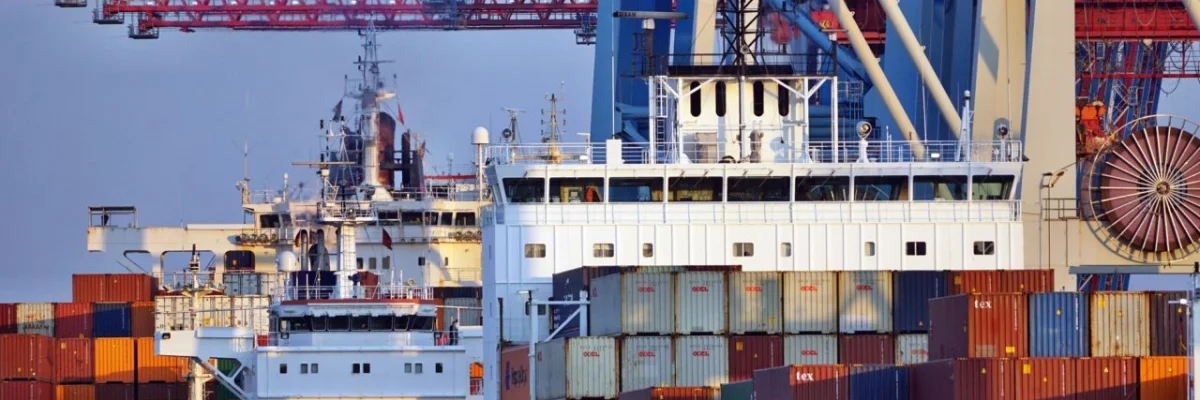
In the fast-paced world of international trade, the ability to monitor shipments in real time has transitioned from a competitive advantage to an operational necessity. Freight forwarders are increasingly tasked with providing instantaneous visibility across complex supply chains that involve multiple carriers, transshipment hubs, and multimodal legs. As global trade volumes expand, traditional methods of manual tracking using emails and spreadsheets are failing to meet client expectations for transparency and speed. Leveraging advanced software platforms allows modern forwarders to consolidate data points into a single source of truth, effectively reducing communication overhead while significantly improving service levels for international shippers.
Optimizing Real Time Visibility

Advanced digital tracking tools act as the central nervous system for your logistics operations, providing live updates on shipment milestones. By integrating automated status feeds, forwarders can proactively manage exceptions before they impact the final delivery schedule for their valuable cargo clients.
- Automated status updates: Real time data flows directly into your dashboard, removing the need for constant manual status checks and preventing costly data entry errors during high volume shipping seasons.
- Centralized data management: Consolidating tracking information from diverse carrier portals into one unified platform ensures that your team always sees the most accurate and current shipment information available today.
- Proactive exception handling: Detecting delays at the earliest possible stage allows your operations team to implement contingency plans, ensuring that cargo flow remains steady despite unexpected global logistics disruptions.
- Client portal access: Empowering your customers with direct access to shipment tracking reduces inbound inquiry volume, allowing your staff to focus on complex logistical challenges rather than routine status updates.
When you transition from reactive tracking to proactive visibility, your operations become more resilient. Implementing a digital ecosystem allows for seamless communication between your partners and clients, effectively eliminating the common bottlenecks that stall cargo movement. By adopting these technological solutions today, you position your freight forwarding business to handle future growth while maintaining high satisfaction scores among your global client base.
Leveraging Carrier Data Integration
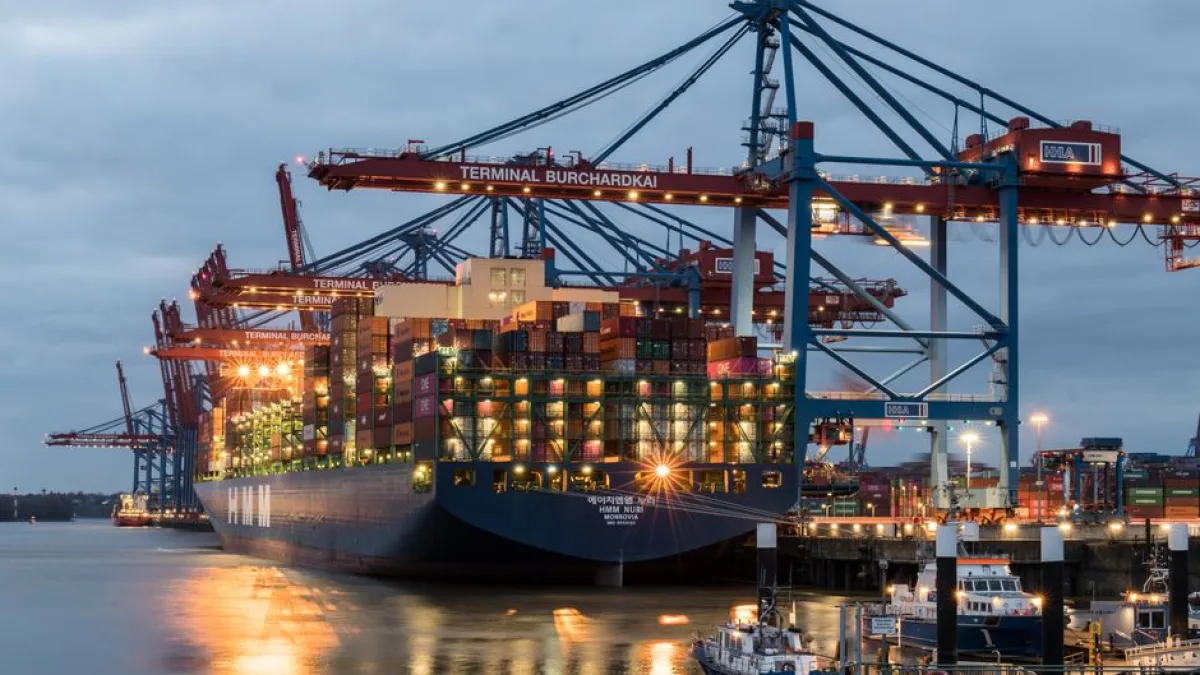
Direct API connections to ocean and air carriers provide the granular data necessary for accurate predictive analytics. By normalizing disparate datasets into a standardized format, your software platform becomes a powerful tool for analyzing carrier performance and long term transit trends.
- Seamless API connectivity: Direct integration with major carriers eliminates fragmented data, providing a synchronized view of every container leg from origin pickup to the final inland destination arrival point.
- Standardized data formatting: Converting various carrier status messages into a consistent internal language ensures that your team and your clients interpret every tracking event in the same way.
- Historical trend analysis: Tracking transit performance over several months allows you to identify which carriers offer the most reliability, helping you make informed decisions for future bookings.
- Automated carrier alerts: Setting up automated triggers for specific status changes ensures that your team receives immediate notification the moment a shipment deviates from the expected delivery schedule.
Optimizing how your company manages carrier data leads to improved operational agility. When information is standardized and easily accessible, team members spend less time gathering facts and more time solving logistical problems. This structural shift is essential for scaling your freight forwarding operations, as it minimizes the dependency on manual efforts and creates a foundation for data driven decision making processes.
Enhancing Customer Communication Standards

The quality of your customer communication defines the long term health of your business relationships. Providing detailed tracking updates through automated notifications creates a sense of reliability and trust that encourages repeat business and improves overall brand reputation across markets.
- Automated email notifications: Triggering personalized status alerts based on key milestones keeps your clients informed without requiring your team to draft repetitive manual updates for every single shipment.
- Customized client dashboards: Providing each of your customers with a unique tracking view allows them to monitor only the shipments relevant to their specific supply chain needs.
- Proactive delay alerts: Notifying customers about potential disruptions before they even ask shows professional dedication, significantly increasing trust and stability in your relationship with your logistics clients.
- Mobile accessible tracking: Enabling mobile friendly interfaces allows your busy clients to monitor their shipments on the go, providing convenience that keeps your freight forwarding services in high demand.
Refining your communication workflow creates a professional image that distinguishes your company from competitors. By automating the routine flow of information, you demonstrate reliability and transparency to every stakeholder involved. This approach fosters loyalty among your customers, as they learn to rely on your platform for accurate, timely information, effectively making your freight forwarding services an indispensable part of their operations.
Improving Operational Efficiency Through Tech

Modern software platforms empower freight forwarders to automate repetitive tracking tasks and focus on high value activities. Efficiency gains derived from cloud technology allow your team to handle larger shipment volumes without needing to increase headcount, driving better margins for the business.
- Automated milestone logging: Removing manual data entry tasks saves hundreds of hours annually, allowing your operations personnel to concentrate on strategy rather than updating repetitive logistical shipment status events.
- Cloud based accessibility: Centralizing tracking data in the cloud allows remote teams to collaborate effectively on complex shipments from anywhere in the world at any given moment today.
- Scalable operational workflows: Implementing standardized tracking templates ensures that your team maintains consistent service levels as your shipment volume grows, preventing common bottlenecks in your internal operations.
- Document management integration: Linking critical shipping documents directly to tracking milestones ensures that your staff always has access to the correct paperwork exactly when they need it most.
Maximizing efficiency is the key to achieving sustainable growth in the competitive logistics industry. By automating tracking and data management, you create a streamlined environment where your team can thrive. Investing in the right technology not only lowers your operating costs but also increases your capacity for expansion, ensuring that your freight forwarding business remains agile in an ever changing global economy.
Conclusion
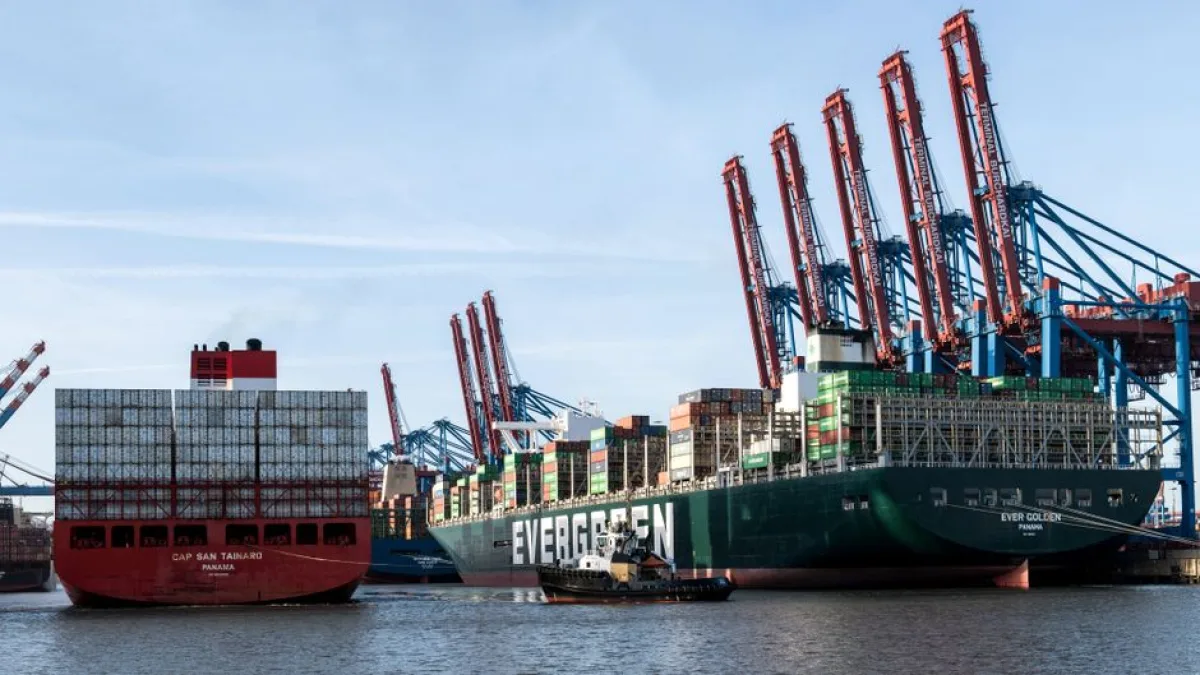
Mastering shipment tracking is a fundamental requirement for any successful freight forwarder. By adopting advanced software to automate updates and centralize communication, your team can deliver exceptional service while significantly reducing operational waste. Embrace these digital tools to transform your workflows and provide the transparency your clients demand. Start optimizing your logistics tracking processes with MakeCargo today to secure a long term competitive advantage.