Mastering Global Logistics Tracking for Freight Forwarders
Sunday, August 2 2026
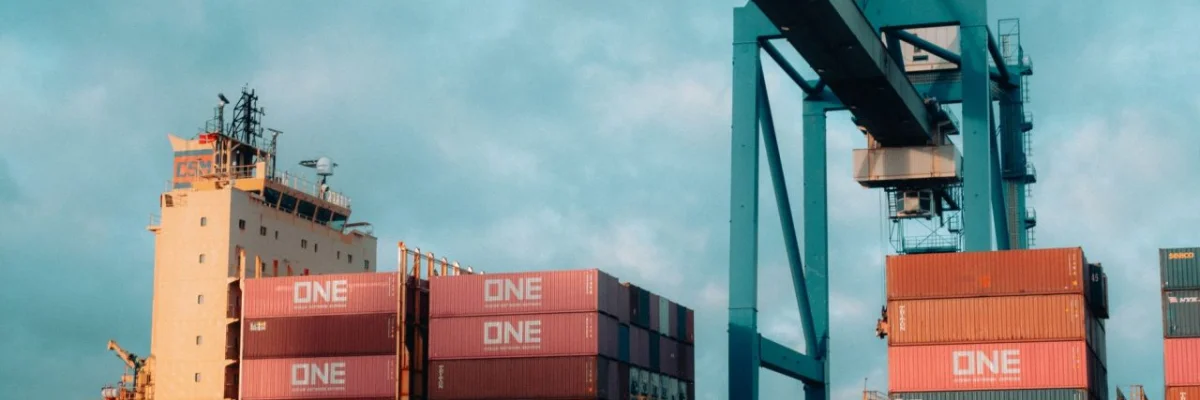
In the modern era of logistics, visibility serves as the primary currency for success. Freight forwarders navigate a complex web of carriers, customs brokers, and last-mile delivery partners that require seamless data integration to maintain operational efficiency. As supply chains grow increasingly volatile, the ability to provide real-time updates to customers is no longer a luxury but a fundamental necessity for competitive survival. By leveraging cloud-based platforms, forwarders can transform fragmented data streams into actionable intelligence. This transition reduces human error and fosters trust, ultimately securing long-term partnerships while driving higher retention rates within your business operations.
Real-Time Cargo Visibility
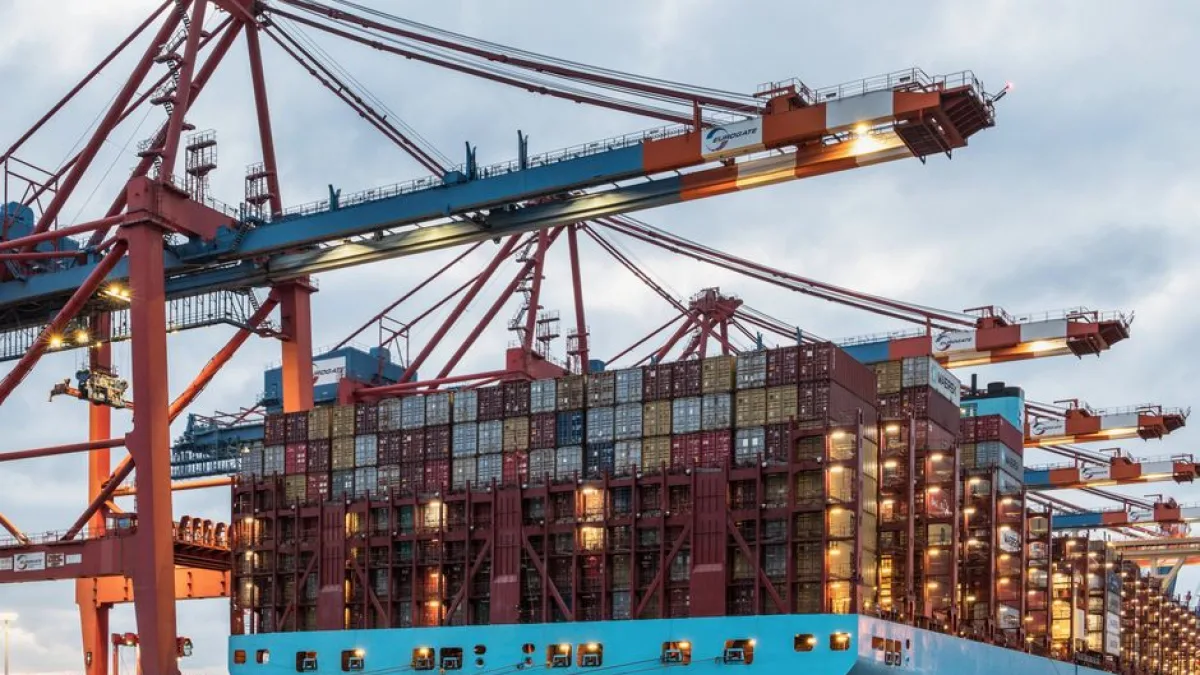
Accurate monitoring of ocean freight involves managing multiple data points across various global shipping lines. By centralizing these updates within one dashboard, logistics professionals can identify delays early and proactively communicate solutions, which preserves client satisfaction even when unforeseen disruptions occur during transit.
- Automatic Status Updates: Receive instant notifications regarding vessel arrival times and terminal departures to keep your team informed without the need for manual status checking or repeated carrier emails.
- Centralized Data Streams: Integrate feeds from multiple shipping lines into one unified interface to eliminate the chaotic experience of logging into dozens of individual carrier web portals daily.
- Proactive Exception Management: Identify potential bottlenecks before they impact your clients by utilizing real-time alerts that highlight delays in port congestion or unexpected vessel rerouting patterns globally.
- Enhanced Client Reporting: Generate customized tracking reports that provide your customers with transparent insights into their supply chain, which builds trust and reinforces your reputation for reliability.
Adopting advanced visibility tools changes how you manage daily exceptions. When you can pinpoint exact vessel locations and status changes in seconds, your team shifts from a reactive stance to a strategic approach. This proactive behavior minimizes stress for your staff while ensuring that stakeholders always receive the precise information they need to make informed decisions regarding their inventory management and financial planning.
Streamlining Customs Documentation

Efficient customs clearance relies on timely information flow and precise digital records. Forwarders who prioritize digitized documentation minimize the risks associated with border delays, ensuring that goods move through checkpoints smoothly while maintaining compliance with international trade regulations and local legal requirements.
- Digital Document Storage: Securely upload and store essential shipping documents like bills of lading and commercial invoices to ensure they are accessible whenever customs authorities request specific data.
- Standardized Filing Processes: Implement uniform filing procedures across your logistics firm to reduce the administrative burden associated with preparing complex documentation packages for various international transit entry points.
- Error Detection Algorithms: Utilize software features that automatically flag missing signatures or incorrect information on customs forms, preventing costly fines and preventing unnecessary shipment holds at borders.
- Improved Communication Channels: Facilitate faster messaging between your team and customs brokers through integrated platforms, ensuring that all parties remain aligned on current regulatory requirements for shipments.
Digital transformation in documentation practices drastically reduces the paperwork burden that often bogs down freight operations. By automating repetitive tasks and maintaining clean digital records, you free your staff to focus on complex logistical challenges. This focus on precision improves your compliance standing and accelerates the movement of goods, leading to a much higher velocity for your overall shipping cycles and operations.
Optimizing Last Mile Delivery

The final leg of the journey represents the most critical interaction with the end customer. Visibility during road transport helps forwarders manage expectations and coordinate warehouse receipts, which is essential for maintaining a positive brand reputation and ensuring efficient local supply chains.
- GPS Tracking Integration: Connect your software with driver mobile applications to track land transit in real time, providing precise arrival estimates for warehouses or local retail distribution centers.
- Automated Proof Delivery: Capture electronic signatures and timestamped photographs upon delivery to provide instant confirmation that goods arrived at their destination in the correct physical condition daily.
- Dynamic Routing Intelligence: Use smart mapping features to suggest the most efficient routes for local transport providers, helping them avoid road construction or known traffic congestion zones.
- Client Delivery Notifications: Automate SMS or email updates sent directly to your end customers, ensuring they remain updated on the status of their freight during the final stage.
Optimizing this segment of the shipping process ensures that the promise made at the origin is kept at the destination. By providing transparency during the last mile, you eliminate the frustration of guesswork for receivers and logistics managers. This level of service separates top-tier forwarders from the rest of the pack, fostering deep customer loyalty and increasing the likelihood of future repeat business.
Leveraging Predictive Analytics
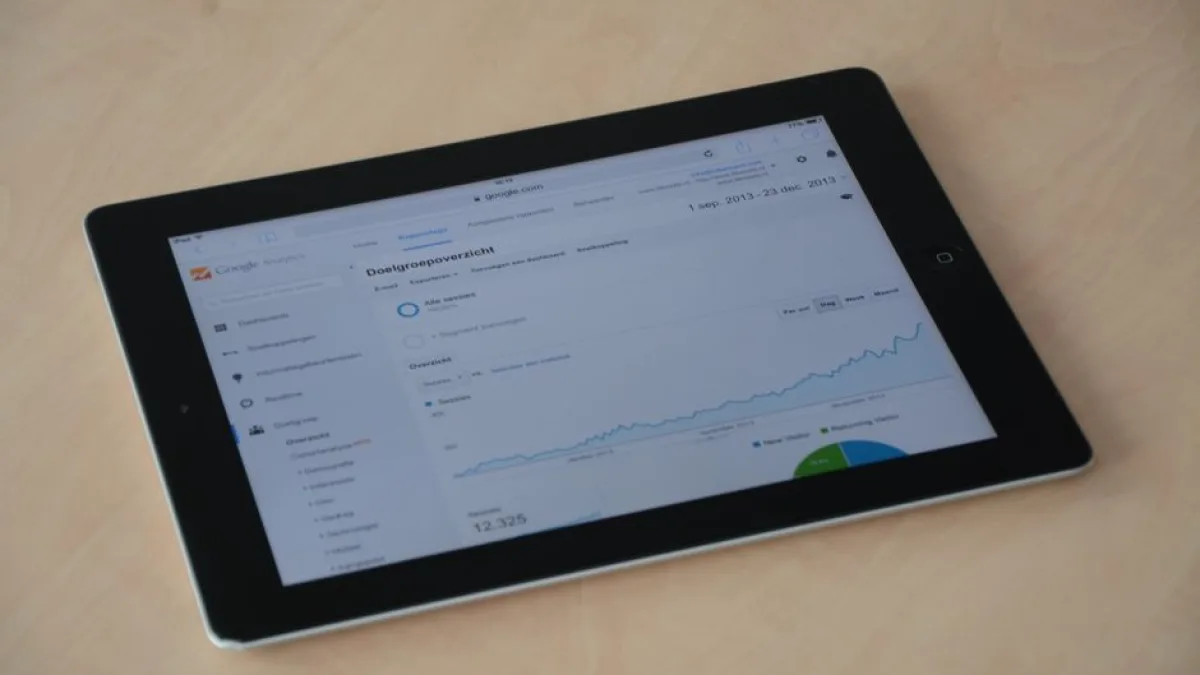
Data is the backbone of future growth for freight forwarders. By analyzing historical shipping patterns and performance metrics, forwarders gain a clear view of where optimizations are possible, allowing for smarter resource allocation and improved profit margins across all your logistics services.
- Trend Analysis Reporting: Review long-term performance data for specific trade lanes or carriers to identify recurring bottlenecks and negotiate better service level agreements with your primary partners.
- Predictive Capacity Planning: Forecast seasonal volume fluctuations based on historical shipping data, allowing you to secure space on vessels well in advance of peak market demand periods.
- Financial Performance Metrics: Track the profitability of every individual shipment through automated cost breakdowns, helping you identify which routes deliver the highest margin for your firm today.
- Carrier Efficiency Scoring: Develop internal scorecards for your shipping partners based on transit time reliability and communication responsiveness to optimize your future carrier selection and strategy.
Harnessing predictive analytics allows you to move beyond simply moving cargo to becoming a strategic advisor for your clients. By understanding the data trends that drive your business, you can offer proactive advice on shipping schedules and cost savings. This consultative approach turns your logistics software from a simple utility into a core asset for long-term growth and sustained profitability.
Conclusion
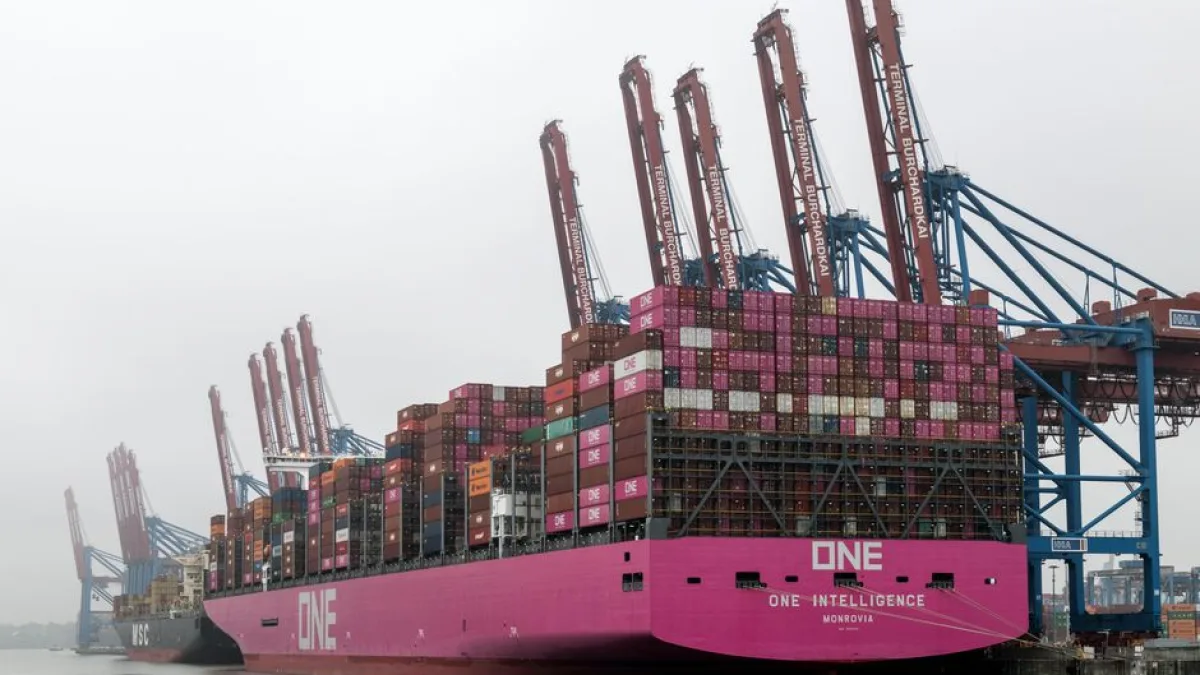
Mastering shipping and tracking is essential for modern freight forwarders who want to excel in a crowded market. By leveraging cloud-based platforms and real-time data, you can streamline operations, enhance client transparency, and optimize your overall logistics efficiency. Start small by implementing one or two automation tools, then scale as your team adapts. Consistent tracking is the foundation of a truly resilient supply chain.