Mastering Global Logistics Tracking for Freight Forwarders
Monday, August 17 2026

Modern freight forwarding relies heavily on the ability to provide real time visibility across complex global supply chains. As global trade volumes fluctuate and logistics networks become increasingly intricate, the demand for precise tracking data has reached an all time high. Clients now expect instant updates regarding their cargo status, forcing forwarders to move beyond legacy manual processes and adopt cloud based software solutions. By centralizing tracking information, businesses can proactively manage disruptions, improve communication with stakeholders, and ultimately build stronger relationships through transparency. Mastering these digital workflows is essential for any forwarder looking to stay competitive in the evolving global market.
The Importance of Real Time Data

Advanced tracking technology provides a comprehensive view of cargo movement by integrating satellite data and carrier feeds directly into your dashboard. This digital oversight is crucial for identifying bottlenecks before they escalate into major operational delays for your global client base.
- Automated status updates: Integrate direct API feeds from carriers to ensure your clients receive the most accurate arrival times and location data without manual intervention or time consuming email chains.
- Proactive delay management: Gain immediate notifications regarding vessel schedule changes or port congestion issues allowing your team to re-route shipments or manage expectations before a customer complains about delays.
- Data driven decision making: Use historical tracking data to analyze carrier performance and select more reliable shipping lanes for future bookings, ultimately reducing overall costs and improving service reliability.
- Unified platform access: Maintain all shipping documentation and tracking status in one centralized cloud environment to streamline operations and ensure your team works from a single source.
By leveraging real time data, forwarders can transform their service model from reactive to proactive. Instead of hunting for status updates, your team can focus on solving complex logistical challenges. This shift not only improves operational efficiency but also provides a superior customer experience that justifies premium rates in a crowded market. Data transparency remains the single biggest driver of long term client loyalty today.
Enhancing Client Communication Portals
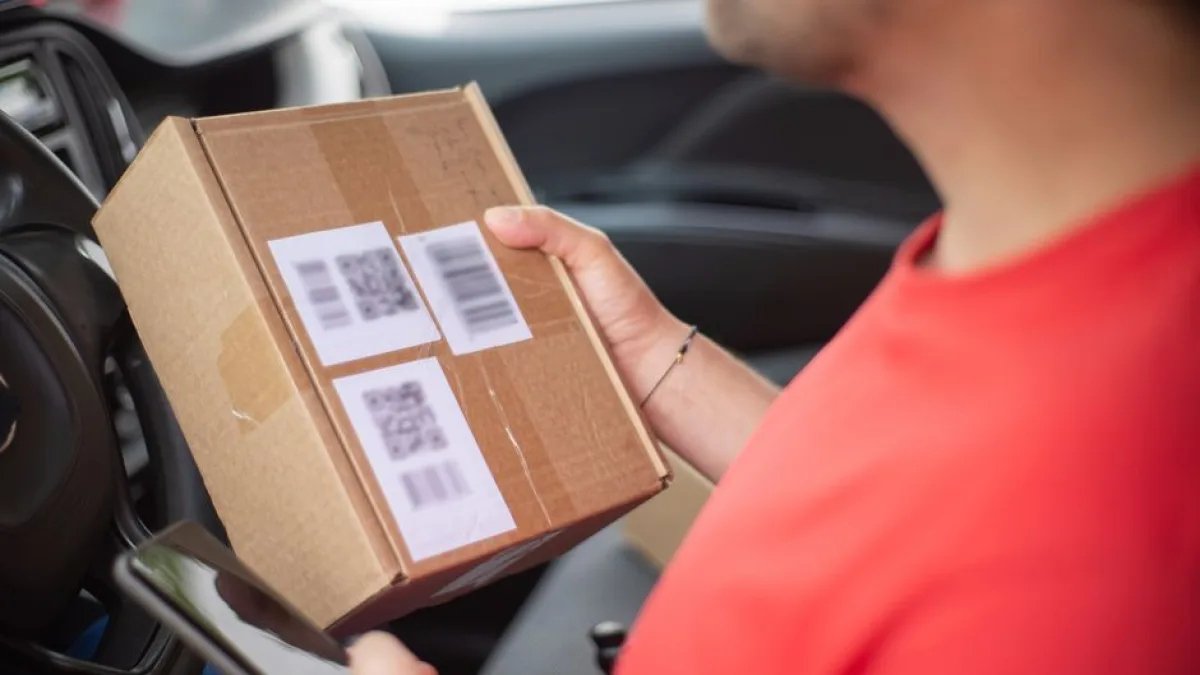
A professional client portal acts as the digital storefront for your logistics business, providing 24/7 access to tracking data. Clients can monitor their cargo progress independently, which significantly reduces the administrative burden on your internal support team for routine inquiries.
- Self service tracking: Empower your customers to check their own shipment status through a branded portal, drastically reducing the number of simple status update phone calls and emails.
- Custom notification triggers: Configure automated alerts that notify specific stakeholders via email or SMS whenever cargo hits a milestone such as departure, customs clearance, or final delivery.
- Document sharing efficiency: Enable clients to download bills of lading or commercial invoices directly from the portal, keeping all essential paperwork linked to the specific shipment tracking entry.
- Branded visual experiences: Ensure your client facing platform reflects your corporate identity to build trust and professional recognition every time a customer logs in to check cargo status.
Investing in intuitive client portals changes the nature of your customer relationship. It demonstrates a commitment to transparency and technical competence, which are critical traits for modern freight forwarders. When clients feel they have total control and visibility, they are more likely to return for repeat business. This digital autonomy creates a scalable growth path that does not require additional headcount to manage.
Optimizing Customs and Compliance Tracking
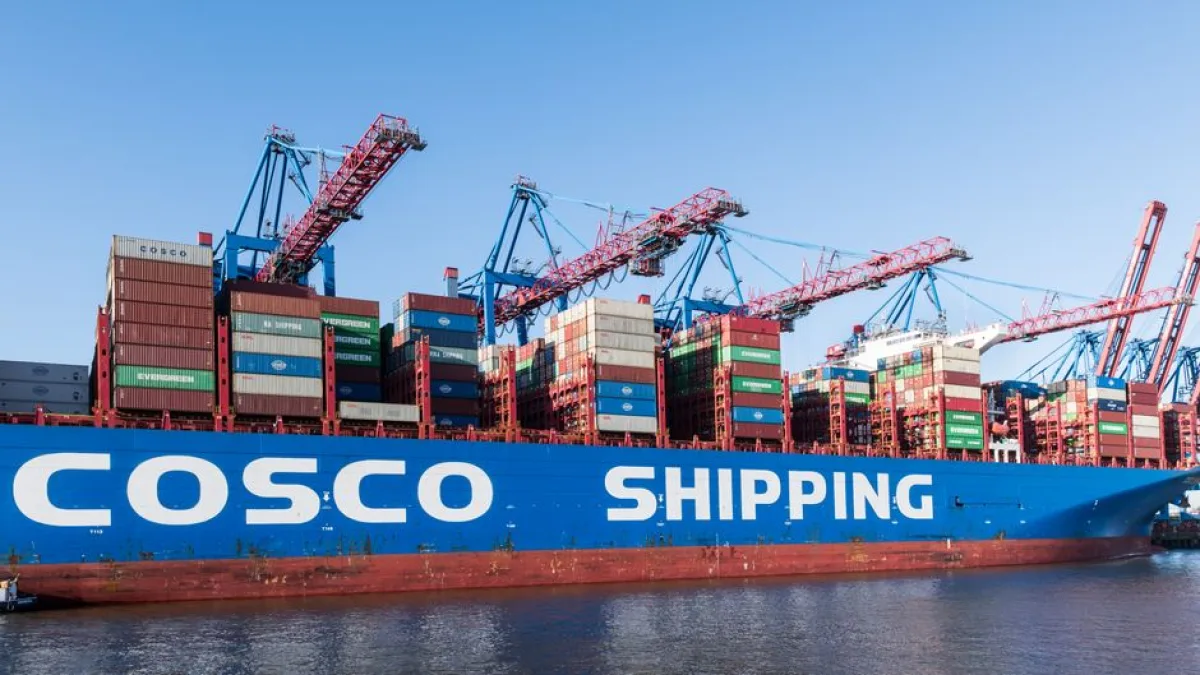
Customs clearance is often the most unpredictable phase of the shipping process. Integrating compliance tracking into your overall logistics workflow ensures that document delays are minimized and regulatory requirements are met, preventing cargo from getting stuck at international borders indefinitely.
- Regulatory milestone alerts: Receive specific notifications when customs authorities initiate an examination, allowing you to provide necessary documentation immediately to speed up the release of the cargo.
- Compliance document storage: Maintain organized digital records of all customs declarations and tax documents within your cloud platform to ensure you remain audit ready at all times.
- Standardized reporting tools: Generate automated reports that detail the time taken for clearance at different ports to identify which border points cause the most friction for clients.
- Integrated tariff management: Sync tracking data with updated tariff information to ensure your clients are aware of potential landed cost adjustments before the cargo reaches its destination.
Streamlined customs tracking reduces the risk of unexpected demurrage and detention charges that frustrate clients. By centralizing the compliance process, forwarders can quickly respond to queries from customs agents and maintain a smooth flow of goods. This level of diligence protects your bottom line while ensuring that shipments move as efficiently as possible through the regulatory checkpoints of global international trade.
Scaling with Cloud Based Technology

Transitioning to cloud based software allows freight forwarders to scale their operations without being hindered by local server limitations. Cloud platforms ensure that your tracking tools remain accessible from anywhere, providing the flexibility needed for hybrid work environments and global team coordination.
- Seamless system integration: Connect your tracking software with accounting and CRM tools to create a cohesive ecosystem that eliminates duplicate data entry and reduces the risk of errors.
- Remote access capabilities: Allow your staff to manage shipments and monitor cargo status from any location with an internet connection, ensuring continuous operational support for global clients.
- High security standards: Rely on enterprise grade encryption and regular data backups to keep sensitive shipping information and client data protected from cyber threats and internal accidents.
- Automatic feature updates: Benefit from constant software improvements without needing manual installations, ensuring you always have access to the latest logistics tracking features as they are released.
Adopting cloud technology is no longer optional for freight forwarders striving to compete internationally. As the industry becomes more digitized, the ability to integrate and scale your operations through cloud infrastructure will determine your success. These platforms provide the agility to pivot during market disruptions while keeping your team unified. Focus on leveraging these digital tools to maximize your operational output and profitability.
Conclusion
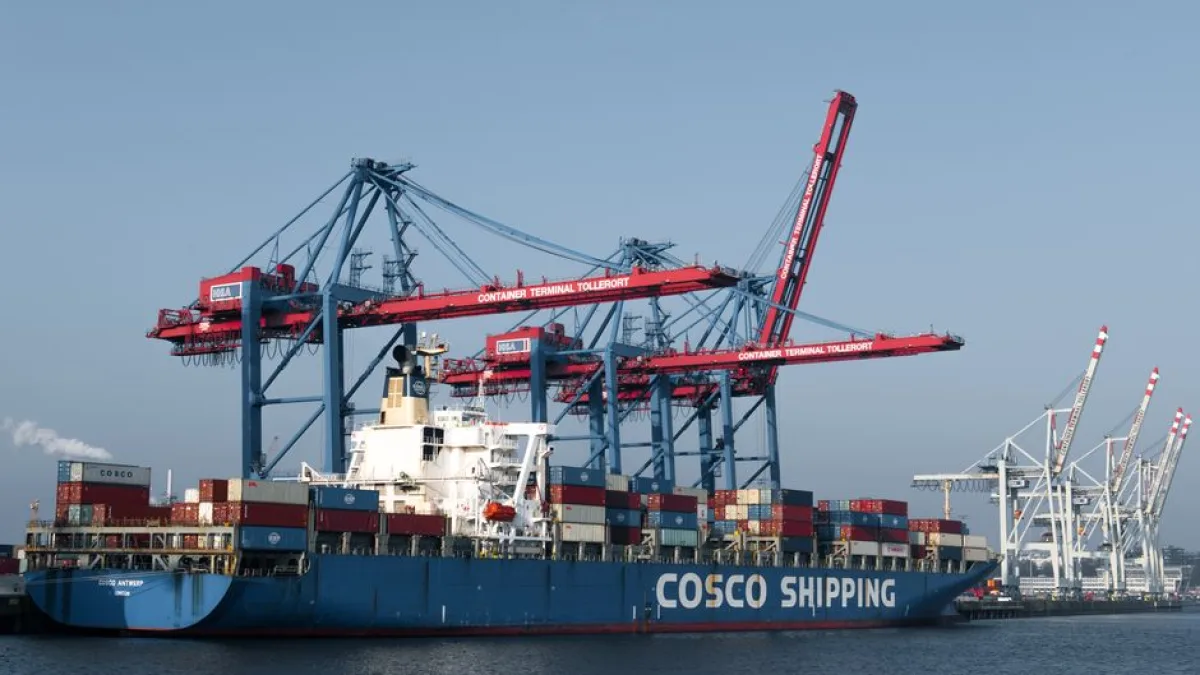
Mastering logistics tracking is the foundation of successful freight forwarding in the modern digital age. By implementing cloud based tools and enhancing transparency for your clients, you can streamline operations, minimize costly delays, and significantly improve customer satisfaction. Embrace these digital strategies to ensure your business remains resilient and efficient. Start your journey toward full supply chain visibility today to secure long term growth.