Mastering Global Logistics Tracking for Freight Forwarders
Saturday, September 12 2026
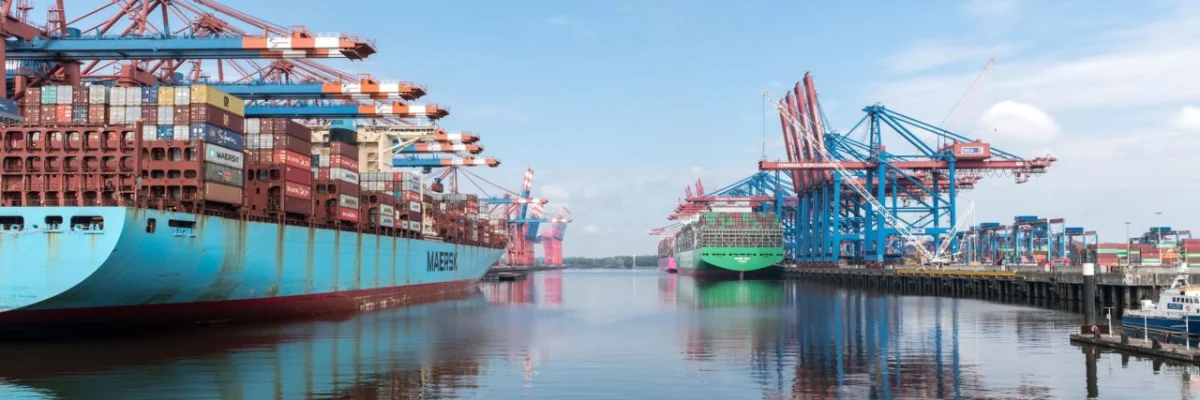
In the modern logistics landscape, the ability to provide real-time visibility is the primary differentiator for successful freight forwarders. Clients no longer accept vague arrival estimates; they demand granular, up-to-the-minute data regarding their cargo locations. As global supply chains face increasing volatility and complex regulatory pressures, leveraging advanced digital tracking tools has transitioned from a competitive advantage to a fundamental operational requirement. By integrating smart software solutions into your daily workflow, you can proactively manage potential disruptions, enhance client communication, and build long-term trust. This guide explores the essential components of modern tracking systems that empower forwarders to stay ahead of industry demands.
Optimizing Shipment Visibility Channels
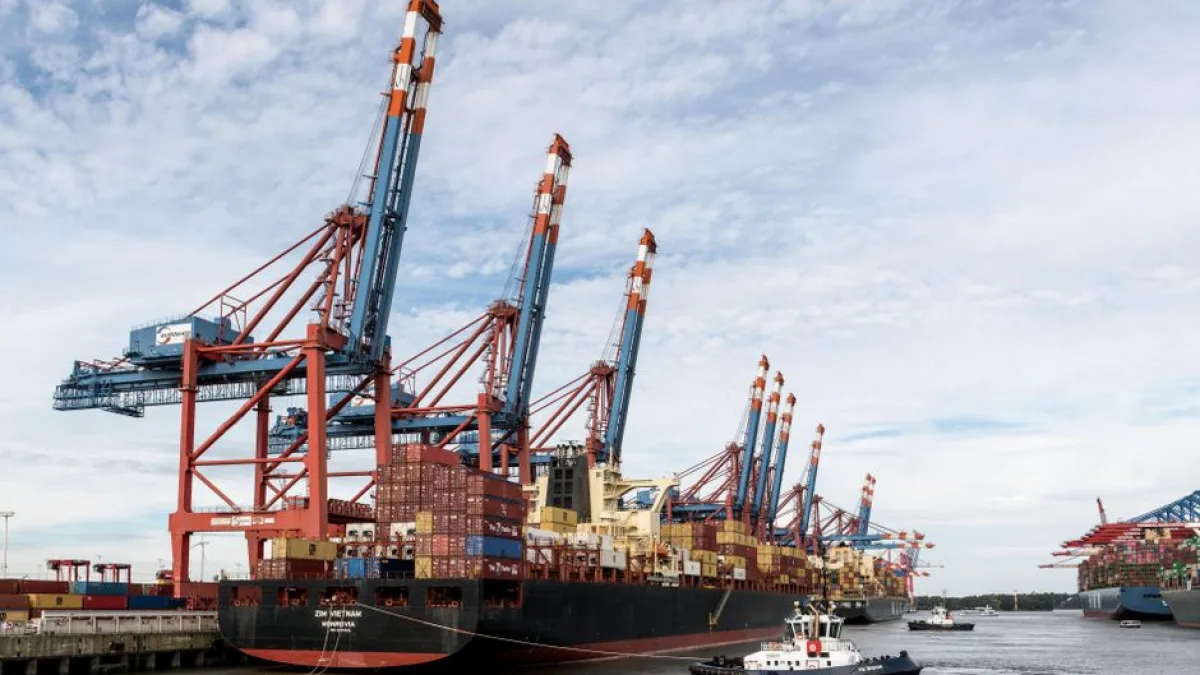
Visibility begins with reliable data ingestion from diverse sources, including ocean carriers, trucking fleets, and warehouse management systems. Consolidating this information into a single interface allows teams to monitor the entire lifecycle of a shipment without manual data entry overhead.
- API Integration Power: Connecting your platform directly to carrier systems ensures that status updates are received in real-time, eliminating the need for manual status checks across multiple different websites.
- Automated Status Alerts: Proactive notification systems send instant updates to your customers the moment a significant milestone is reached, which drastically reduces your team's administrative email volume daily.
- Consolidated Tracking Dashboard: A unified view of all active shipments enables dispatchers to quickly identify delays and reallocate resources before minor bottlenecks evolve into critical supply chain failures.
- Data Accuracy Verification: Automated validation protocols compare incoming carrier data against your internal records to detect discrepancies immediately, ensuring that your clients always receive perfectly accurate logistical information.
By streamlining how information flows across your digital ecosystem, you reduce the risk of human error and improve internal communication. Your team can focus on solving complex logistical problems rather than chasing updates from third parties. This strategic shift towards automated visibility allows your company to handle larger shipment volumes while maintaining high service levels, ultimately improving your bottom line and client satisfaction.
Managing Exception and Delay Alerts

Exceptions are inevitable in global shipping, but how you manage them determines your reputation. Sophisticated monitoring tools allow you to categorize delays and implement automated recovery plans that minimize the impact on your customers' end-to-end supply chain operations.
- Automated Exception Detection: Intelligent software continuously scans your live shipment manifests to detect variances from planned schedules, alerting your operations team before the client even notices the delay.
- Proactive Problem Resolution: Detailed exception logs help you determine the root cause of issues, allowing you to suggest alternative routing options to your clients well ahead of time.
- Customizable Alert Thresholds: You can configure specific notification triggers based on priority levels, ensuring that your most time-sensitive cargo receives the highest level of human intervention and oversight.
- Client Portal Transparency: Granting your customers direct access to delay notifications fosters trust and allows them to adjust their inventory planning based on your realistic arrival projections.
Effective exception management transforms a potential crisis into a demonstration of your operational expertise. When you communicate transparently and offer immediate solutions, you strengthen the relationship with your stakeholders. This level of professional reliability keeps clients loyal in a volatile market where certainty is a premium commodity. Mastering the art of managing delays is what separates high-performing forwarders from standard logistics providers.
Leveraging Real-Time Carrier Data

The quality of your service is directly tied to the quality of the data provided by your carriers. Advanced tracking platforms normalize disparate data formats into a standardized structure, providing your team with actionable insights that drive better decision-making processes.
- Standardized Data Formats: Normalizing information from various global carriers ensures that your dashboard displays consistent terminology, making it easier for staff to interpret complex international shipping milestones.
- Predictive Arrival Estimates: Machine learning algorithms analyze historical port performance data to provide more accurate arrival windows than those typically offered by the carriers themselves for shipments.
- Carrier Performance Analytics: Tracking consistency across different carriers allows you to identify which partners provide the most reliable service, helping you make informed booking decisions for future.
- Document Automation Links: Linking specific tracking milestones to mandatory customs documentation ensures that paperwork is filed at the exact moment a vessel clears customs or arrives port.
When you harness the power of standardized data, you unlock a new level of operational efficiency. Your team no longer wastes time deciphering inconsistent carrier status updates or manual spreadsheets. Instead, they operate from a position of authority, using clear data to negotiate better rates and deliver superior service. This analytical approach to carrier management is essential for sustainable growth in freight.
Enhancing Client Portal Experiences

Modern clients demand self-service options that mimic the consumer e-commerce experience. By providing a branded, secure portal for your customers to monitor their cargo, you position your agency as a high-tech partner capable of meeting modern digital business expectations.
- Branded Tracking Interfaces: Customizing your customer-facing portal with your own logo and color scheme reinforces your brand identity every time a client logs in to check cargo.
- Direct Document Access: Integrating digital document storage allows clients to download bills of lading or commercial invoices directly from the tracking view, saving hours of office time.
- Milestone Event Timelines: Visualizing the shipment journey on a clear timeline helps customers understand the complex steps involved in international transit and customs clearance processes every time.
- Secure Communication Channels: Built-in messaging features within the tracking portal keep all relevant correspondence attached to specific shipments, ensuring that no critical details get lost in threads.
Building a robust client portal is an investment in your brand longevity and customer retention. When clients find all the information they need in one intuitive location, their reliance on your customer service team decreases significantly. This autonomy empowers them to work faster while your staff focuses on high-value tasks, creating a mutually beneficial digital environment that scales with your company.
Conclusion
Mastering shipment tracking is a cornerstone of modern freight forwarding that directly influences client retention and operational efficiency. By adopting integrated software tools, you gain the visibility required to navigate today's complex supply chain environment with total confidence. Start by auditing your current tracking processes and identify where manual intervention can be replaced by automation. Your clients will appreciate the enhanced transparency, and your team will thrive.