Mastering Global Logistics Tracking for Freight Forwarders
Tuesday, October 20 2026
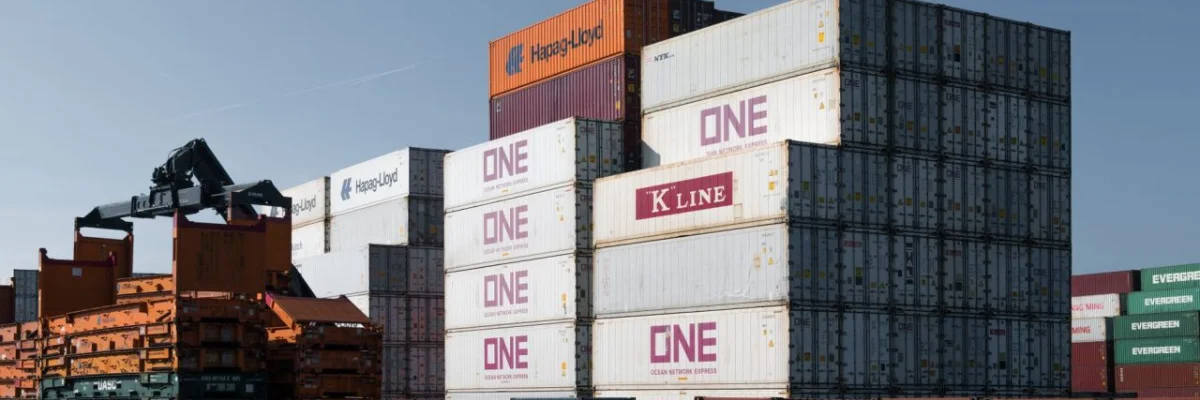
Modern freight forwarding demands unprecedented levels of precision and speed to remain competitive in a volatile global market. Customers no longer settle for basic updates. They require real-time visibility into every stage of their cargo journey from the initial warehouse pickup to final destination delivery. By integrating sophisticated cloud-based software solutions, forwarders can proactively manage exceptions and provide transparent communication. This shift toward digital transparency not only improves client satisfaction but also drastically reduces the manual administrative burden on your operations team. Adopting these advanced tracking tools is no longer a luxury but a fundamental necessity for sustainable growth.
Optimizing Shipment Visibility
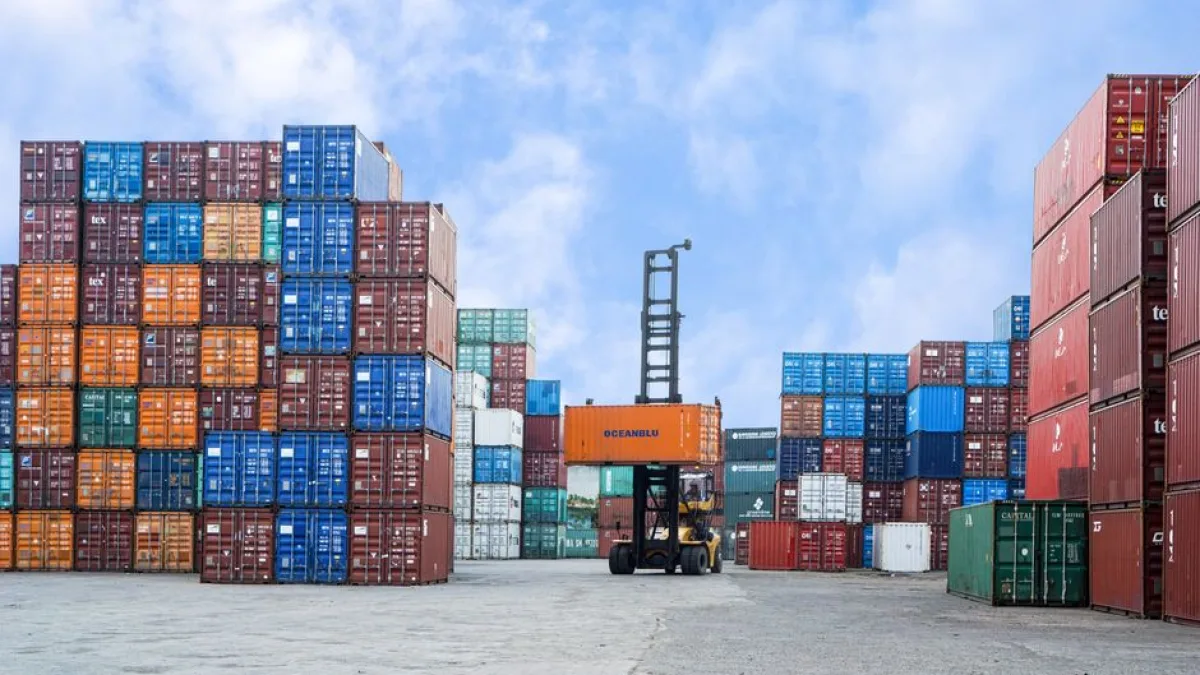
Real-time visibility serves as the backbone of efficient logistics management. By utilizing cloud technology to monitor every container movement, you provide your clients with absolute clarity regarding their freight status, which minimizes uncertainty and builds long-term professional trust.
- Instant Status Updates: Automated notification systems alert your logistics team the moment cargo hits a key milestone, ensuring you stay ahead of potential delays without constant manual database checks.
- Client Portal Access: Providing a dedicated dashboard allows your customers to track shipments independently, which reduces the influx of status requests directed to your customer support staff.
- Integrated Carrier Data: Aggregating information from multiple shipping lines into one unified platform eliminates the need to switch between carrier websites, saving valuable time during busy shifts.
- Geographic Tracking Maps: Interactive visual maps help you identify the precise location of goods, allowing for better planning regarding vessel arrival times and potential inland transit bottlenecks.
Consolidating your tracking data into a single source of truth empowers your team to make faster, data-driven decisions that directly impact the bottom line. By removing information silos, you ensure that every stakeholder views the same accurate metrics simultaneously. This level of synchronization prevents miscommunication and fosters a more responsive environment, ultimately positioning your agency as a high-performing leader within the complex global logistics sector.
Managing Supply Chain Exceptions
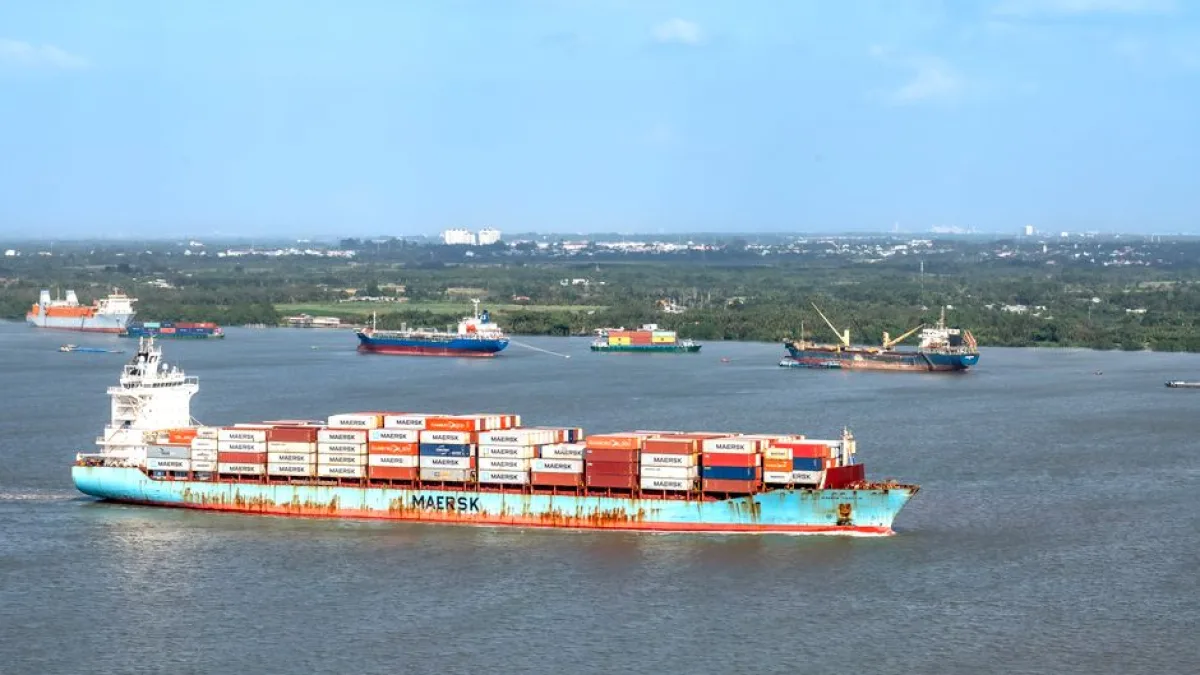
Disruptions like weather delays or port congestion are inevitable in international trade. The key lies in how quickly you identify these issues and relay accurate information to your clients, turning a potential crisis into a controlled service event.
- Proactive Exception Alerts: Advanced algorithms detect scheduling anomalies immediately, allowing you to provide early warning notices to importers before they experience significant downstream production line interruptions.
- Automated Contingency Planning: Software tools suggest alternative routing options when primary transit paths become blocked, ensuring that cargo remains moving despite sudden changes in the logistics environment.
- Detailed Delay Analytics: Recording historical delay patterns helps you advise clients on carrier selection, allowing them to choose more reliable transit routes for their future high-priority shipments.
- Enhanced Communication Tools: Integrated messaging systems allow you to share delay updates directly with stakeholders, keeping your narrative consistent while maintaining a professional and helpful tone.
Effectively managing these exceptions requires a combination of smart software and human intuition. When your platform detects a bottleneck, your team can pivot to provide solutions rather than just reporting bad news. This proactive approach reinforces your value proposition, showing clients that you act as a strategic partner who protects their interests against unpredictable global events rather than just a logistics service provider.
Leveraging Automated Reporting Tools

Data is only as valuable as the insights you derive from it. Automated reporting transforms raw shipment logs into actionable business intelligence that can be used to refine operational workflows and improve overall service delivery for every client.
- Customised Performance Reports: Tailor your tracking analytics to highlight key performance indicators that matter most to specific high-value accounts, fostering stronger relationships through bespoke data reporting.
- Visual Data Dashboards: Clear charts and graphs simplify complex supply chain metrics, making it easier for management to spot trends and allocate resources to the most active zones.
- Trend Analysis Features: By reviewing long-term tracking data, you can identify seasonal shipping trends that help your clients prepare their inventory levels well in advance of demand.
- Automated Export Functions: Generate comprehensive shipping summaries with a single click, allowing for faster accounting reconciliation and more efficient billing cycles for your entire finance department.
When you provide clients with detailed, professional reports generated automatically through your cloud platform, you reinforce your reputation as an expert partner. These documents do more than track cargo; they provide an audit trail and a narrative of efficiency. Consistent reporting keeps your brand top of mind for clients, ensuring they see exactly how much value you contribute to their success on every shipment.
Enhancing Customer Communication

Clear communication is the ultimate differentiator in the freight industry. By moving away from fragmented email threads and toward centralized digital platforms, you ensure that every interaction is recorded, tracked, and easily accessible to authorized team members.
- Centralized Activity Logs: Storing all correspondence related to a specific shipment ensures that any agent can pick up a conversation and provide immediate, relevant support to clients.
- Branded Tracking Updates: Customize your notification emails with your company logo and specific contact details to keep your brand visible during every stage of the transit cycle.
- Real-Time Feedback Loops: Incorporating survey links directly into shipment completion notices provides you with instant customer satisfaction data to help you improve your service offering continuously.
- Secure Document Sharing: Eliminate insecure email attachments by allowing clients to download bills of lading and customs documents directly from a secure, authenticated shipping portal.
Optimizing how you communicate creates a seamless experience that clients will naturally prefer over traditional, manual forwarding services. When customers can access all shipment documents and progress updates in one secure location, the entire process becomes faster and less stressful. Investing in these digital communication capabilities is the most effective way to build long-term loyalty and sustain a high retention rate for your business.
Conclusion

Digital transformation in logistics tracking is essential for modern freight forwarders seeking to scale their operations. By leveraging cloud-based platforms to manage visibility, handle exceptions, automate reporting, and improve client interactions, you gain a significant edge over the competition. Start integrating these advanced tools into your daily workflow today to streamline processes, minimize manual errors, and provide the superior service experience your global clients demand.